


A basement kitchen makeover on a budget is one of the most rewarding home improvement projects you can tackle this year. Whether you are converting an unfinished basement into a functional cooking space, refreshing a dated basement kitchenette, or simply looking for ways to upgrade your below-grade culinary area without breaking the bank, this guide covers everything you need to know. With the right planning, smart material choices, and a clear vision, you can transform a neglected basement kitchen into a warm, inviting space that adds genuine value to your home. This guide walks you through every phase of the process, from initial budgeting to final finishing touches, so you can achieve professional-looking results without the premium price tag.
Why a Basement Kitchen Makeover Is Worth the Investment
Homeowners often overlook the basement as a viable space for a kitchen upgrade, but the reality is that a well-designed below-grade kitchen can serve as a home office kitchen, a teen hangout, a rental unit kitchen, or an entertainment hub during game nights and gatherings. A budget-conscious basement kitchen makeover does not mean sacrificing quality. It means being strategic about where you spend your dollars and where you can save. The key is understanding that a lower square footage, combined with smart design decisions, naturally reduces the overall cost of your basement kitchen renovation project.
Consider the added value a finished basement kitchen brings. Real estate professionals consistently note that a finished basement with a functional kitchenette increases a home’s resale appeal. Buyers see a secondary living area that functions independently, which is especially attractive for multi-generational households, home offices, and rental properties.
Setting a Realistic Budget for Your Basement Kitchen Project
Before you purchase a single supply, sit down and define your total budget. A realistic basement kitchen makeover budget typically ranges from $2,000 for a basic refresh to $15,000 for a more comprehensive transformation. The wide range exists because costs depend heavily on the scope of work, material selections, and whether you handle the labor yourself.
Budget Tiers: Beginner, Intermediate, and Advanced
Understanding where you fall on the renovation spectrum helps you allocate funds wisely:
- Beginner Tier ($500–$3,000): Cosmetic updates like fresh paint, new cabinet hardware, budget-friendly backsplash tiles, LED lighting upgrades, and updated faucet fixtures. This tier is ideal if your basement kitchen’s bones are already solid.
- Intermediate Tier ($3,000–$8,000): Medium-impact changes including refacing cabinets, installing laminate countertops, upgrading flooring to luxury vinyl planks, adding a sink, and integrating basic electrical upgrades.
- Advanced Tier ($8,000–$15,000): A full basement kitchen remodel involving new cabinetry, quartz or butcher block countertops, upgraded appliances, dedicated plumbing, proper ventilation systems, and insulation improvements.

Budget-Friendly Flooring and Wall Solutions for Basement Kitchens
Basements present unique challenges — moisture, temperature fluctuations, and concrete subfloors — but these obstacles are manageable with the right material choices. When it comes to basement kitchen flooring on a budget, luxury vinyl planks (LVP) stand out as a top pick. They mimic the look of hardwood or stone, resist moisture, and install over existing concrete with minimal prep work. A box of LVP typically costs between $2 and $5 per square foot, making it one of the most affordable options for basement floor renovations.
For the walls, consider moisture-resistant drywall or cement board in areas near the sink or dishwasher. If you want a quick, budget-friendly wall update, peel-and-stick backsplash tiles offer a dramatic visual impact for less than $1 per square foot. They come in countless styles — subway, herringbone, Moroccan mosaic — and can be installed over existing surfaces without the need for professional help.
Cost-Effective Countertop and Cabinet Upgrades
Countertops and cabinets usually consume the largest portion of any kitchen renovation budget. A basement kitchen makeover on a budget demands creative alternatives that still deliver durability and visual appeal.
Budget Countertop Options:
- Laminate countertops: Affordable, available in countless designs, and easy to install yourself for under $30 per square foot.
- Pour-in-place epoxy resin: Creates a seamless, custom-looking surface for approximately $40–$60 per square foot.
- Butcher block / bamboo: Warm, natural-looking, and budget-friendly at $20–$40 per square foot.
- Concrete countertops: A DIY-friendly option costing roughly $50–$80 per square foot with a modern, industrial aesthetic.
Budget Cabinet Strategies:
- Reface existing cabinets with new doors and drawer fronts instead of full replacements.
- Paint or stain existing cabinetry — a fresh coat of semi-gloss paint in a light neutral color opens up the space dramatically.
- Add open shelving using reclaimed wood for a rustic, cost-effective storage solution.
- Install budget cabinet hardware in brushed nickel or matte black to instantly modernize the look.
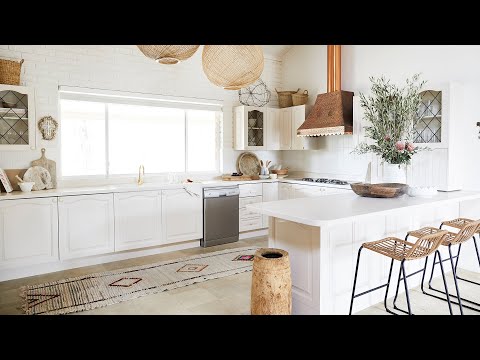
Comparing Countertop Materials: Cost and Durability
| Material | Avg. Cost/Sq Ft | Moisture Resistance | DIY-Friendly | Durability |
| Laminate | $20–$50 | Moderate | Yes | Good (5–10 years) |
| Epoxy Resin | $40–$60 | Excellent | Yes | Very Good |
| Butcher Block | $20–$40 | Low–Moderate | Yes | Moderate |
| Concrete | $50–$80 | Moderate (sealed) | Yes | Excellent |
| Quartz | $60–$120 | Excellent | No | Excellent |
The table above helps you visualize the trade-offs between cost and durability. For a basement kitchen makeover on a budget, laminate and epoxy resin deliver the best bang for your buck, especially in a below-grade environment where moisture management matters.
Lighting, Ventilation, and Electrical Considerations
One of the most overlooked aspects of a basement kitchen renovation is lighting and ventilation. Basements naturally lack natural light, so layered lighting is essential. Combine overhead LED recessed lights, under-cabinet LED strips, and a statement pendant fixture over the prep area to create a bright, welcoming atmosphere. LED lighting options are surprisingly affordable — a full basement kitchen lighting package can be completed for $100–$300.
Ventilation is critical in any kitchen but especially in a basement where air circulation is limited. A range hood with a dedicated exhaust duct leading outside is the gold standard. If ducting to the exterior is impractical, a high-CFM recirculating hood with activated carbon filters is a solid alternative. Budget-friendly models are available for $150–$350. Additionally, ensure your basement kitchen electrical panel can handle the load of new appliances, and consider hiring a licensed electrician for any major wiring work to keep your project up to code.
Smart Shopping Tips for Basement Kitchen Renovations
Saving money on your basement kitchen makeover does not mean settling for inferior products. It means shopping strategically.
- Shop off-season: Home improvement retailers markdown kitchen supplies in late fall and winter when renovation demand drops.
- Buy display and scratch-and-dent items: Retailers sell returned or floor-display appliances at significant discounts — often 30–50% off retail.
- Use salvage yards and Habitat for Humanity ReStores: You can find gently used cabinets, fixtures, and hardware for a fraction of the cost.
- Compare online vs. in-store pricing: Always cross-reference prices between big-box retailers, online marketplaces, and local distributors.
- DIY where you can: Painting, backsplash installation, hardware replacement, and lighting setup are all manageable for a moderately handy homeowner and can save hundreds in labor costs.
Expert Tips for a Successful Basement Kitchen Makeover
Address moisture first. Before painting, installing flooring, or adding drywall, inspect your basement for water intrusion. Apply a waterproof sealant and ensure proper grading around your home’s exterior. A moisture problem left unchecked will undo even the most beautiful renovation in a matter of months.
Choose a cohesive design theme. A budget makeover looks far more polished when every element — from cabinet color to fixture finish — follows a unified design vision. Pick a palette of two to three colors and stick with it throughout the space.
Plan your electrical layout early. Decide where your outlets, lighting switches, and appliance connections will go before any walls go up. Moving electrical boxes after drywall installation is expensive and disruptive.
Do not skip the permit process. If your basement kitchen makeover involves new plumbing, electrical work, or structural changes, check with your local building authority. Operating without proper permits can create legal and insurance complications down the road.
Conclusion
A basement kitchen makeover on a budget is entirely achievable when you approach the project with a clear plan, realistic expectations, and a willingness to get your hands dirty. By choosing cost-effective materials like laminate countertops, luxury vinyl flooring, and peel-and-stick backsplashes, and by handling as much of the work yourself as your skill level allows, you can create a stunning below-grade kitchen that serves your household for years to come. The investment pays dividends in added home value, improved daily convenience, and the satisfaction of completing a meaningful renovation project yourself.
FAQs About Basement Kitchen Makeovers on a Budget
1. How much does a budget basement kitchen makeover typically cost?
A basic basement kitchen makeover ranges from $2,000 to $5,000 for cosmetic updates like paint, hardware, lighting, and a new backsplash. A mid-range project with new countertops, flooring, and cabinet refacing typically runs between $5,000 and $10,000. The final cost depends on square footage, material choices, and whether you hire professionals for plumbing or electrical work.
2. What is the best flooring for a basement kitchen on a budget?
Luxury vinyl planks (LVP) are widely considered the best budget flooring option for basement kitchens. They are moisture-resistant, affordable at $2–$5 per square foot, easy to install as a floating floor, and available in designs that closely replicate hardwood and stone. For an even lower-cost alternative, interlocking foam or vinyl tiles work well in spaces with minimal water exposure.
3. Can I install a basement kitchen without adding new plumbing?
Yes, many homeowners opt for a sink-only setup or a kitchenette configuration that connects to existing utility sink plumbing. If you want a full sink with running water, you will need to extend plumbing lines, which adds to the project cost. A no-plumbing option that includes a mini fridge, microwave, and electric kettle can still create a functional food prep and beverage station for your basement living space.
4. How do I prevent moisture damage in a remodeled basement kitchen?
Start by sealing concrete floors and walls with a waterproofing membrane before installing any flooring or drywall. Use a dehumidifier to maintain indoor humidity below 50%. Ensure proper exterior drainage around your home’s foundation, and install a ventilation system — either a ducted range hood or a standalone dehumidifying unit — to keep air moving and prevent mold growth behind cabinets and walls.
5. What is the fastest way to update a basement kitchen on a tight budget?
The quickest and most affordable update is a three-part approach: paint the cabinets or replace cabinet doors, install a peel-and-stick backsplash, and swap out lighting fixtures and cabinet hardware. This combination transforms the look and feel of a basement kitchen in a single weekend for under $500 in most cases, making it the ideal first step for homeowners exploring basement kitchen renovation ideas on a shoestring budget.