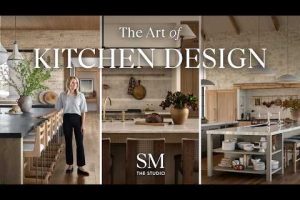
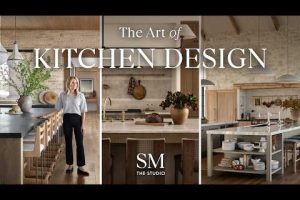
When you think about the heart of your home, the kitchen almost certainly comes to mind. It is where families gather, where conversations flow over morning coffee, and where culinary creativity takes center stage. But for homeowners who demand more than just functionality — those who crave a space that reflects personal style, incorporates cutting-edge technology, and delivers impeccable craftsmanship — a designer kitchen is the ultimate answer. In this comprehensive guide, we will explore everything you need to know about designing a luxury kitchen, from trending styles and material choices to smart layouts and budget considerations.
What Exactly Is a Designer Kitchen?
A designer kitchen goes far beyond off-the-shelf cabinets and generic countertops. It is a meticulously planned, architecturally refined cooking space tailored to the homeowner’s lifestyle, aesthetic preferences, and functional needs. Unlike standard kitchen remodels that rely on pre-packaged designs, a designer kitchen involves collaboration with professional kitchen designers, architects, and sometimes even interior stylists to create a bespoke environment.
The essence of a designer kitchen lies in the details. Every element — from the placement of lighting fixtures to the grain of the marble backsplash — is intentionally selected. Whether you are drawn to minimalist Scandinavian aesthetics or bold industrial vibes, a well-executed designer kitchen transforms an ordinary room into an extraordinary focal point of your home.
Why Invest in a Custom Kitchen Design?
Homeowners often wonder whether the investment in a custom kitchen is worth it. The short answer is yes — and here is why.
- Personalization: A designer kitchen reflects your unique taste. No two spaces are alike when a professional is behind the blueprint.
- Optimized Workflow: Expert designers understand the “work triangle” concept — the relationship between the sink, stove, and refrigerator — ensuring your kitchen operates with maximum efficiency.
- Superior Materials: Custom designs give you access to premium materials like quartzite, hand-carved stone, and imported hardwoods that are unavailable in big-box stores.
- Increased Property Value: According to real estate studies, a luxury kitchen remodel yields one of the highest returns on investment for homeowners looking to sell.
- Longevity: Designer kitchens are built to last, with durable materials and timeless designs that resist the quick obsolescence of trend-driven renovations.
Popular Designer Kitchen Styles in 2024
The world of luxury kitchen design has evolved dramatically. Today’s homeowners have access to an impressive range of styles, each offering a distinct personality and atmosphere. Below, we break down some of the most sought-after designer kitchen aesthetics.
Modern Minimalist
Clean lines, flat-panel cabinetry, and a monochromatic color palette define the modern minimalist approach. Think handleless doors, integrated appliances, and seamless surfaces. The emphasis is on decluttering both the physical space and the visual experience. Materials like lacquered finishes, concrete countertops, and matte black hardware dominate this style.
Contemporary Transitional
Bridging the gap between traditional and modern, transitional designer kitchens combine warm wood tones with sleek metallic accents. This style appeals to homeowners who want timeless elegance without feeling stuck in the past. Shaker-style cabinets paired with brass hardware and quartzite countertops create a refined yet inviting atmosphere.
Industrial Chic
For those who love raw textures and bold statements, industrial-style kitchens feature exposed brick, open shelving made from reclaimed wood, and statement pendant lights. Stainless steel appliances, concrete floors, and oversized islands give these spaces an urban, loft-like feel that feels both sophisticated and lived-in.
Mediterranean and Rustic Luxury
Warm terracotta tones, hand-painted tiles, and natural stone elements bring the beauty of Southern Europe into your home. These designer kitchens often feature farmhouse sinks, distressed wood finishes, and wrought iron accents that evoke a sense of effortless coastal charm.
Key Elements of a High-End Kitchen Design
Building a designer kitchen requires careful attention to several core components. Each element plays a critical role in achieving the perfect balance of form and function.
Cabinetry and Storage Solutions
Custom cabinetry is the backbone of any luxury kitchen. Leading brands like Bulthaup, SieMatic, and Scavolini offer bespoke solutions that maximize every inch of available space. Push-to-open mechanisms, soft-close drawers, and integrated organizers ensure that your storage is as elegant as it is practical. Consider adding a pantry island or a pull-out spice tower to elevate organization to the next level.
Countertops and Surfaces
The countertop is often the centerpiece of a designer kitchen. Popular choices among high-end designers include:
- Quartzite: Naturally heat-resistant and available in stunning veining patterns that rival marble.
- Marble: Timeless and luxurious, though it requires more maintenance due to its porous nature.
- Engineered Quartz: Durable, non-porous, and available in virtually any color or pattern.
- Concrete: Ultra-modern and customizable, perfect for minimalist and industrial designs.
Lighting Design
Layered lighting is what separates a beautiful kitchen from a truly remarkable one. A designer kitchen typically incorporates three layers: ambient lighting (recessed ceiling fixtures or pendant lights), task lighting (under-cabinet LED strips), and accent lighting (display case illumination or architectural cove lighting). The right lighting scheme not only enhances functionality but also highlights premium materials and finishes.
Smart Kitchen Technology
Today’s designer kitchens increasingly incorporate smart technology. From voice-controlled lighting and motorized blinds to built-in coffee systems and refrigeration with internal cameras, the integration of IoT devices is transforming how we interact with our cooking spaces. Brands like Gaggenau, Miele, and Sub-Zero lead the charge in high-end smart appliances that blend seamlessly into custom cabinetry.
Designer Kitchen Layouts That Maximize Space
The layout of your kitchen determines how you move through the space on a daily basis. Professional designers evaluate your room dimensions, traffic patterns, and lifestyle habits to recommend the most efficient configuration.
| Layout Type | Best For | Key Features |
| Galley Kitchen | Small to medium spaces | Two parallel walls, efficient work triangle, corridor-style flow |
| L-Shaped | Most home sizes | Open corner, natural workflow, flexible island placement |
| U-Shaped | Large kitchens | Maximum storage, ample counter space, enclosed feel |
| Island-Centered | Open-plan homes | Social focal point, extra prep space, built-in seating |
| Peninsula Layout | Semi-open spaces | Partial island, visual separation, breakfast bar functionality |
Each layout offers distinct advantages. For example, the island-centered design has surged in popularity because it serves multiple purposes — food preparation, casual dining, and even a social gathering spot where guests can interact with the cook. When planning your designer kitchen layout, always prioritize the work triangle to minimize unnecessary movement between your primary cooking zones.
Materials and Finishes That Define Luxury
The material palette you choose for your designer kitchen sets the tone for the entire space. Here is a closer look at premium finishes that top interior designers specify for high-end projects.
| Material | Application | Aesthetic Appeal | Durability Rating |
| Calacatta Marble | Countertops, backsplashes | Bold veining, white elegance | High (with sealing) |
| Walnut Hardwood | Cabinets, shelving | Rich warmth, natural grain | Very High |
| Brushed Brass | Hardware, fixtures | Warm glow, sophisticated accent | High |
| Porcelain Slabs | Countertops, wall cladding | Versatile, ultra-thin, realistic stone look | Exceptional |
| Fluted Glass | Shaker cabinet fronts | Textural depth, light diffusion | High |
These materials are not just visually stunning; they are selected for their longevity and ability to age gracefully. A designer kitchen built with premium finishes maintains its beauty for decades, often improving with natural patina over time.
Budgeting for a Designer Kitchen: What to Expect
One of the most common questions homeowners ask is, “How much does a designer kitchen cost?” The answer varies widely depending on square footage, material selection, appliance brands, and the complexity of the design. On average, a designer kitchen project in the United States ranges from $40,000 to $150,000 or more for ultra-luxury installations.
- Basic Custom Design: $30,000–$60,000 — Quality materials, standard appliances, professional design consultation.
- Mid-Range Luxury: $60,000–$100,000 — Premium countertops, high-end cabinetry, integrated smart appliances.
- Ultra-Luxury: $100,000–$250,000+ — Bespoke elements, imported materials, architect-designed layouts, smart home integration.
Remember that a designer kitchen is an investment in your daily quality of life and your home’s long-term market value. Working with a reputable kitchen design firm ensures that every dollar is allocated strategically toward materials and features that deliver the greatest impact.
Tips for Choosing the Right Designer Kitchen Partner
Selecting the right designer or firm is just as important as the design itself. Here are practical tips to guide your decision:
- Review Portfolios: Look for a designer with a portfolio that aligns with your aesthetic vision. Pay attention to how they handle lighting, proportion, and material coordination.
- Ask About 3D Rendering: A professional firm will provide detailed 3D visualizations before construction begins. This allows you to visualize the final result and request changes early in the process.
- Check References: Speak with past clients to understand their experience regarding timeline adherence, communication, and overall satisfaction.
- Verify Credentials: Look for designers certified by organizations like NKBA (National Kitchen and Bath Association) or ASID (American Society of Interior Designers).
- Discuss Timeline Transparently: A quality designer will provide a realistic project timeline and keep you informed at every stage of the build process.
Conclusion: Your Dream Designer Kitchen Starts Here
A designer kitchen is more than a renovation — it is a personal statement about how you live, cook, and entertain. From selecting the perfect materials to choosing a layout that flows effortlessly, every decision contributes to a space that is uniquely yours. Whether you are drawn to the clean sophistication of modern minimalism or the warm character of Mediterranean-inspired design, the key is to work with professionals who understand your vision and bring it to life with precision and creativity.
Start by researching local design firms, gathering inspiration from platforms like Houzz and Pinterest, and scheduling consultations. The journey to your dream kitchen begins with a single step — and the results will elevate your home for years to come.
Frequently Asked Questions About Designer Kitchens
What is the average cost of a designer kitchen in 2024?
The average cost ranges from $40,000 to $150,000 depending on materials, appliances, and design complexity. Ultra-luxury projects can exceed $250,000 when incorporating bespoke elements and smart home technology.
How long does it take to design and build a designer kitchen?

Most designer kitchen projects take between 8 and 16 weeks from initial consultation to final installation. Larger or more complex projects involving structural changes may extend this timeline to 6 months or more.
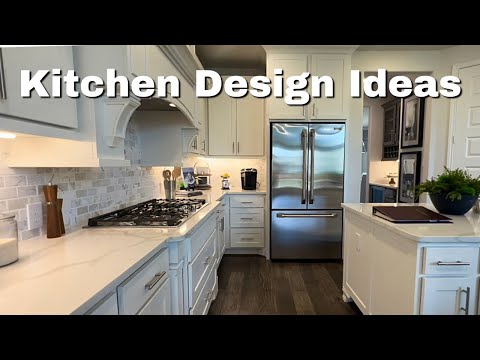
What materials are best for a luxury kitchen countertop?
Quartzite and porcelain are among the most popular choices for luxury countertops due to their durability and stunning visual appeal. Marble remains a classic option for homeowners who prioritize elegance and are willing to maintain it properly.
Can I incorporate smart appliances into a designer kitchen?
Absolutely. Many top-tier kitchen designers specialize in integrating smart technology seamlessly into custom cabinetry. Brands like Gaggenau, Miele, and Sub-Zero offer appliances that blend beautifully into designer layouts.
What is the best kitchen layout for an open-concept home?
The island-centered or peninsula layout works exceptionally well in open-concept homes. These configurations create a natural social hub while maintaining efficient workflow between cooking, prep, and cleaning zones.