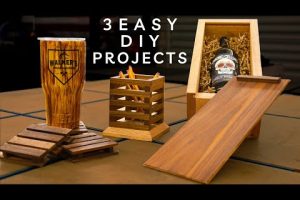
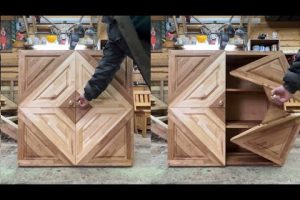
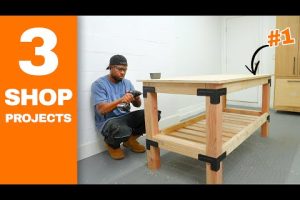
There is something deeply satisfying about transforming a raw piece of lumber into something functional, beautiful, or both. DIY projects with wood have surged in popularity over the past several years, and for good reason. Whether you are a complete novice picking up a hammer for the first time or a seasoned craftsman looking to refine your skills, woodworking offers an unmatched combination of creativity, practicality, and personal fulfillment. The rise of online tutorials, affordable power tools, and accessible lumber suppliers has made it easier than ever to dive into the world of woodworking projects for beginners and beyond. In this comprehensive guide, we will explore everything from the best wood species to use, beginner-friendly builds, intermediate challenges, and even advanced projects that will push your craftsmanship to the next level.
Why DIY Woodworking Projects Have Become a Lifestyle
Woodworking is no longer just a hobby confined to garage workshops. It has evolved into a full-blown lifestyle movement. People are drawn to handmade wood crafts because they offer a tangible sense of accomplishment in a world increasingly dominated by digital experiences. Building your own furniture, home decor, or outdoor structures allows you to customize every detail — from dimensions to finishes — ensuring that the final piece fits your space and personality perfectly. Additionally, completing a wood project reduces reliance on mass-produced goods, often resulting in higher-quality items built to last for decades.
The mental health benefits of working with wood are well-documented too. Studies show that hands-on creative activities lower stress levels, improve focus, and boost self-esteem. When you sand a board, cut a joint, or watch a stain bring out the grain of walnut, you are engaging in a meditative practice that many find deeply restorative.
Choosing the Right Wood for Your DIY Projects

Not all lumber is created equal, and selecting the right wood species is one of the most impactful decisions you will make. The wood you choose affects durability, workability, appearance, and cost. Here is a breakdown of the most popular options for woodworking DIY projects:
| Wood Species | Difficulty Level | Best Uses | Avg. Cost (per board foot) |
| Pine | Very Easy | Shelving, beginner furniture, paint-grade projects | $2–$5 |
| Oak | Moderate | Tabletops, outdoor furniture, flooring | $5–$10 |
| Walnut | Moderate | Prestige furniture, cutting boards, decorative pieces | $8–$15 |
| Cedar | Easy | Outdoor planters, fences, garden boxes | $4–$8 |
| Maple | Challenging | Hardwood flooring, butcher blocks, cabinetry | $6–$12 |
| Bamboo | Easy | Cutting boards, decorative wall art, small shelves | $3–$7 |
Hardwoods like oak, walnut, and maple offer superior durability and rich grain patterns, making them ideal for heirloom-quality pieces. Softwoods such as pine and cedar are more affordable and easier to work with, which makes them perfect for learning the fundamentals. If you are just starting out, poplar is an excellent budget-friendly hardwood that takes paint and stain beautifully without breaking the bank.
Easy DIY Wood Projects for Beginners
If you are new to woodworking, starting with simple builds builds confidence and teaches essential techniques. Here are some of the best beginner wood projects to try:
- Floating Shelves — These require only a single board, a few brackets, and basic cutting skills. They are perfect for displaying books, plants, or decorative items.
- Wooden Serving Tray — A simple glue-up and stain project that produces a stunning gift or home accessory.
- Plant Stand — Using basic joinery or even screws, you can build a multi-tiered plant stand that adds warmth to any room.
- Picture Frames — Miter cuts and a miter box are all you need to create beautiful custom frames for your favorite photos.
- Step Stool — A compact project that teaches you about joinery, stability, and finishing techniques.
Essential Tools for Getting Started
You do not need a fully equipped workshop to begin DIY woodworking projects. A minimal starter set includes:
- Circular saw or hand saw
- Drill/driver with assorted bits
- Clamps (at least two bar clamps)
- Tape measure and combination square
- Sandpaper in various grits (80, 120, 220)
- Wood glue and screws
As you progress, you can invest in a stationary bench, a router, and a planer, but these are not necessary for your first several projects. Focus on mastering hand tools and fundamental techniques first.

Intermediate DIY Wood Projects to Challenge Your Skills
Once you have completed a few beginner builds, it is time to level up. Intermediate woodworking projects introduce more complex joinery, finer finishing techniques, and design considerations. Consider trying these builds:
- Floating Wood Coffee Table — Using mortise-and-tenon or dowel joinery, this project teaches structural integrity and elegant design.
- Wall-Mounted Desk — A space-saving build that requires precise measuring, cable management planning, and a flawless finish.
- Wine Rack with Custom Joinery — Dovetail or box joints elevate this project from simple to impressive.
- Bench with tapered legs — Introduces angled cuts and reveals how proportions affect aesthetics.
At the intermediate stage, pay close attention to wood movement. Understanding how lumber expands and contracts across the grain will save you from cracked joints and warped surfaces down the road. Always use appropriate wood finish options — such as polyurethane, tung oil, or Danish oil — depending on the piece’s intended use and environment.
Advanced DIY Woodworking Projects for Experienced Makers
For those who have spent time honing their craft, advanced DIY wood builds offer an opportunity to showcase true mastery. These projects demand precision, creativity, and often custom tooling:
- Live-Edge Dining Table — Incorporating a natural slab edge with stabilized butterfly keys and a custom base design is a hallmark of advanced woodworking.
- Bookcase with Adjustable Shelving and Drawers — This project integrates multiple joinery styles and requires flawless execution for a professional result.
- Wooden Headboard with Inlay Work — Marquetry and inlay techniques push your precision and artistic vision to new heights.
- Outdoor Adirondack Chair Set — Building a set from a single sheet of marine-grade plywood or teak challenges your ability to optimize materials efficiently.
Advanced makers should also explore wood bending techniques using steam boxes or laminated bending methods. These open up entirely new design possibilities for curved furniture, architectural elements, and artistic pieces.
Expert Tips for Successful DIY Wood Projects
Whether you are building your first shelf or your tenth dining table, these professional insights will elevate your results:
- Always pre-drill holes before driving screws into hardwood to prevent splitting.
- Let wood acclimate in your workshop for at least 48 hours before cutting or assembling to account for moisture content.
- Measure twice, cut once — this old adage remains the most reliable rule in woodworking.
- Invest in sharp blades and bits. Dull tools tear grain and create rough surfaces that are difficult to sand out.
- Sand in the direction of the grain to avoid visible scratches that show up after finishing.
- Test your stain or finish on a scrap piece of the same wood before applying it to your project.
Another often-overlooked tip: keep a project journal. Documenting your builds — including measurements, mistakes, and lessons learned — accelerates your growth as a woodworker and helps you avoid repeating errors.
Frequently Asked Questions About DIY Wood Projects

What are the easiest DIY wood projects for complete beginners with no experience?
The easiest starting point is a simple wooden shelf or a basic cutting board. These projects require minimal tools, only a few cuts, and no complex joinery. A painted pine shelf or a glued cutting board made from maple or bamboo gives beginners a quick win while teaching foundational skills like measuring, cutting straight lines, and applying finish.
What type of wood is best for outdoor DIY woodworking projects?
For outdoor use, cedar, redwood, and teak are the top choices due to their natural resistance to moisture, rot, and insects. Cedar and redwood are more budget-friendly and readily available, while teak offers premium durability and a stunning silvery patina over time. If you prefer domestic options, white oak is another excellent choice for outdoor furniture and garden structures.
How much does it typically cost to start DIY wood projects at home?
A basic starter budget of $100–$200 covers essential hand tools, a modest selection of lumber, wood glue, sandpaper, and a few screws. Power tools like a quality drill and circular saw may add $100–$300 upfront but pay for themselves quickly through efficiency and versatility. Buying lumber from local mills or reclaimed sources can significantly reduce material costs.
Can I use reclaimed or pallet wood for DIY wood projects?
Yes, reclaimed wood is an excellent and often free material source for creative builds. However, always inspect reclaimed lumber for hidden nails, staples, or chemical treatments. Pallet wood marked with the “HT” stamp (heat-treated) is safe to use, but avoid pallets marked “MB” (methyl bromide fumigated), as they can be hazardous. Sand thoroughly and inspect for hidden metal before cutting.
What finishing techniques give DIY wood projects a professional look?
Applying a pre-stain wood conditioner ensures even stain absorption, especially on softwoods like pine. For a durable, professional finish, consider applying an oil-based polyurethane with a high-quality natural bristle brush, sanding lightly with 220-grit between coats. For a more natural look, Danish oil or hardwax oil penetrates the grain and enhances the wood’s character without creating a thick surface film.
Final Thoughts
DIY projects with wood offer a rewarding path into craftsmanship that combines practical skills with artistic expression. From your very first floating shelf to an advanced live-edge table, every project builds your knowledge, refines your technique, and deepens your appreciation for the material. The beauty of woodworking is that it is endlessly scalable — there is always a new technique to learn, a harder project to tackle, or a more refined finish to master. Start with a simple build, invest in quality tools over time, and let each project teach you something new. The workshop is waiting, and the lumber is ready. All you need to do is begin.