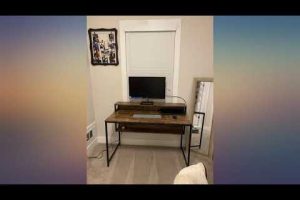
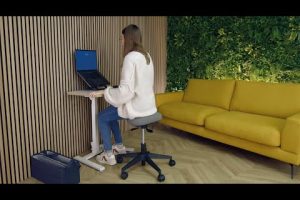
If you are working from a compact apartment, a studio, or a modest home office, you already know that every square foot matters. A corner desk for small spaces is one of the smartest investments you can make when square footage is limited but productivity cannot be compromised. Unlike traditional rectangular desks that consume an entire wall, corner desks tuck neatly into unused angles, freeing up valuable floor space while still giving you a functional, comfortable workstation. In this guide, we will walk you through everything you need to know — from choosing the right material and size to setting up your compact corner desk for maximum efficiency.
Why Corner Desks Are a Game-Changer for Small Spaces
Small-room desks have become a category of their own in home office furniture, and corner desks sit at the heart of that trend. When you place a standard desk in the middle of a tight room, it immediately creates a bottleneck. Traffic flow suffers, the space feels cramped, and your ability to move freely during work hours drops significantly. A corner computer desk, on the other hand, utilizes what would otherwise be dead space in the junction of two walls. This strategic placement opens up the center of the room and gives you the freedom to arrange other furniture — shelving, seating, or storage — without feeling boxed in.
The benefits go beyond just saving space. Ergonomic positioning is easier to achieve when you are nestled into a corner because the walls naturally support monitor placement and cable management. You also gain a sense of visual boundary that helps separate your workspace from the rest of your living area, which is essential for maintaining focus when home and office share the same room.
Key Features to Look for in a Corner Desk for Small Rooms
Not all corner desks are created equal, and choosing the wrong one can turn a smart purchase into a frustrating experience. Here are the features that matter most when you are shopping for compact corner desk solutions:
- Depth and Width Balance: A desk that is too deep will eat into your walking space, while one that is too shallow will not accommodate your monitor and keyboard comfortably. Aim for a depth between 24 and 30 inches and a width that fits the corner without protruding into traffic lanes.
- Adjustable Shelving or Add-Ons: Look for desks with modular components such as hutch units, drawer assemblies, or keyboard trays. These add functionality without requiring a larger footprint.
- Cable Management Channels: In small spaces, exposed cords create visual clutter and make the room feel even smaller. Built-in cable routing trays and grommets keep your setup clean.
- Sturdy Construction: Compact desks must be stable even when loaded with monitors, laptops, and accessories. Reinforced legs, cross-bracing, and quality materials like steel or solid wood ensure longevity.
- Finish and Color: Light-colored finishes such as white, light oak, or matte black reflect light and make small rooms feel more open. Dark, heavy finishes can absorb light and visually shrink the space.
Best Materials for Corner Desks in Compact Areas
The material of your small-space corner desk affects not only its durability but also how it interacts with the room visually and acoustically. Here is a breakdown of the most popular options:
Engineered Wood and MDF
Medium-density fiberboard (MDF) and engineered wood are the most common materials in affordable corner desks. They are lightweight, easy to assemble, and available in a wide range of finishes. The downside is that they can swell in humid environments and may not support heavy equipment as well as solid wood or metal alternatives.
Solid Wood
Solid wood corner desks offer a premium look and exceptional durability. They hold up well over years of daily use and can be refinished if scratched or worn. However, they are heavier and more expensive, which can be a consideration if you plan to rearrange frequently.
Metal and Glass Combinations
A metal-framed corner desk with a glass top is ideal for maximizing the perception of space. Glass is transparent, so it does not visually block light, and metal frames tend to be slimmer than wood legs, leaving more floor area exposed. These desks are particularly effective in studio apartments where every inch counts.
How to Measure and Choose the Right Size
Before you buy, grab a tape measure and follow these steps to determine the perfect dimensions for your corner workspace:
- Measure the corner where you plan to place the desk. Note both wall lengths from the corner outward.
- Subtract at least 30 inches from each wall measurement to allow walking space and chair movement.
- Decide on desk depth based on your equipment. A standard 28-inch depth works for most setups, but if you use a large ultrawide monitor, you may need 30 inches or more.
- Consider the desk height. Standard desk height is 29 to 30 inches, but a height-adjustable or sit-stand corner desk can accommodate different working positions and reduce fatigue.
- Test the layout mentally or with painter’s tape on the floor before committing to a purchase.
Top Types of Corner Desks for Small Spaces
The market offers several distinct categories of corner desks, each suited to different needs and room configurations. Use the comparison table below to identify which type fits your situation best.
| Type | Best For | Pros | Cons |
| L-Shaped Corner Desk | Multi-monitor setups, dual-tasking | Maximum surface area, defined workspace zones | Can feel bulky if not sized correctly |
| Triangular Floating Desk | Ultra-tight rooms, studio apartments | Minimal footprint, wall-mounted frees floor space | Limited weight capacity, no storage underneath |
| Corner Desk with Hutch | Storage-heavy workflows, small offices | Built-in shelving and cabinetry, organized workspace | Taller profile may feel enclosed |
| Corner Sit-Stand Desk | Health-conscious workers, ergonomic priority | Adjustable height, reduces sitting fatigue | Higher price point, mechanical complexity |
| Portable Folding Corner Desk | Temporary setups, renters | Lightweight, easy to store, affordable | Less durable, limited load capacity |
Expert Setup Tips for Maximizing Your Small Workspace
Once you have selected your compact corner desk, how you set it up makes all the difference. Here are proven strategies used by interior designers and productivity experts to squeeze every ounce of value out of a small corner workstation:
1. Go Vertical. Install wall-mounted shelves above the desk to store reference materials, decor, or office supplies. This keeps the desk surface clear and reduces visual noise, which is critical in small environments.
2. Use a Wall-Mounted Monitor Arm. Freeing up desk surface by mounting your monitor or monitors on an articulating arm creates room for a laptop, notebook, or even a small potted plant — touches that make the workspace feel human and inviting.
3. Choose a Small Chair or Stool. A standard office chair with arms can dominate a small corner desk setup. Consider a compact ergonomic stool or a chair with slim armrests that tuck under the desk when not in use.

4. Anchor with Lighting. A small desk lamp mounted on the desk edge or a wall-mounted sconce beside the desk eliminates the need for a floor lamp, which would eat into precious floor space.

5. Keep Cables Hidden. Route cables through the desk’s built-in channels or use adhesive cable clips along the wall to prevent tangles. A clean setup always feels larger and more organized.
Frequently Asked Questions

What is the best corner desk size for a small apartment?
For most studio apartments and small bedrooms, a corner desk measuring approximately 48 inches by 48 inches on each side with a depth of 24 to 28 inches strikes the ideal balance between workspace and open floor area. This size comfortably accommodates a laptop, a second monitor, and a small storage unit without overwhelming the room.
Can a corner desk fit in a room that is only 8 feet wide?
Yes, especially if you choose a compact or floating corner desk design. Triangular or narrow L-shaped desks as small as 36 inches on each side can fit in an 8-foot-wide room while still leaving enough clearance for comfortable movement. Wall-mounted floating desks are particularly effective in these tight dimensions.
Are sit-stand corner desks worth the extra cost for small spaces?
Absolutely. A sit-stand corner desk provides the same ergonomic benefits as a full-sized adjustable desk but in a footprint designed for tight areas. Alternating between sitting and standing throughout the day reduces back strain, improves circulation, and boosts energy — all of which are especially valuable when you are working in a confined space for extended periods.
How do I make a corner desk look less cramped in a small room?
Use light-colored finishes and minimalist design to keep the visual weight low. Add a mirror on the adjacent wall to reflect light and create an illusion of depth. Keep the desk surface uncluttered with organizers, and use vertical storage rather than spreading items horizontally across the work area.
What is the difference between an L-shaped corner desk and a triangular corner desk?
An L-shaped corner desk extends along two walls with a larger surface area and typically includes shelving or a hutch. A triangular corner desk is smaller, fits into tighter corners, and often mounts to the wall. L-shaped desks are better for dual-monitor setups and heavy workloads, while triangular desks are ideal for minimalists and renters who need a lightweight, space-saving solution.
Final Thoughts
Finding the perfect corner desk for a small space is less about sacrificing functionality and more about working smarter with the space you have. Whether you opt for a sleek L-shaped corner desk with a hutch, a minimal floating triangular desk, or a height-adjustable sit-stand model, the key is to prioritize measurements, material quality, and ergonomic design. When you combine the right desk with smart setup strategies — vertical storage, cable management, and a clutter-free surface — your small workspace can feel open, organized, and incredibly productive. Start with your measurements, identify your core needs, and choose a desk that turns your room’s most underutilized corner into your most powerful work zone.