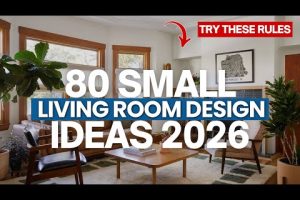
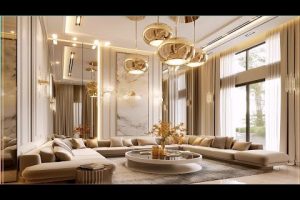
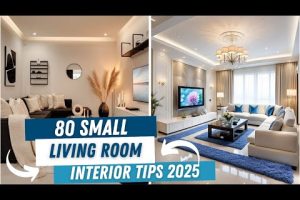
Creating the perfect living spaces is one of the most rewarding challenges any homeowner or renter can tackle. Whether you are working with a compact apartment or a sprawling suburban home, the way you design and organize your living area ideas directly impacts your comfort, productivity, and overall well-being. In this comprehensive guide, we will explore everything you need to know about designing, optimizing, and transforming your living spaces into environments that are both functional and aesthetically stunning. From small-space solutions to advanced interior design strategies, this article covers beginner essentials, intermediate techniques, and expert-level tips that will help you make the most of every square foot.
What Are Living Spaces and Why Do They Matter?
When people refer to living spaces, they are talking about the areas within a home where daily life happens — the living room, family room, den, dining area, and even open-concept layouts that blend multiple functions. These spaces serve as the social and emotional heart of any home. Research consistently shows that well-designed living environments reduce stress, improve mood, and even enhance relationships among household members.
Understanding the significance of your living spaces goes beyond aesthetics. It involves recognizing how layout, lighting, color, furniture placement, and flow affect the way you interact with your home every single day. A thoughtfully designed living space can make a small apartment feel expansive and a large home feel cozy and inviting.
Types of Living Spaces Every Homeowner Should Know
Not all living spaces are created equal. Different architectural styles, floor plans, and lifestyles call for different approaches. Here is a breakdown of the most common types:
- Open-Concept Living Spaces — Combines the living room, dining area, and kitchen into one seamless zone. Ideal for entertaining and creating a sense of spaciousness.
- Closed-Off Living Spaces — Separate rooms dedicated to specific functions. Great for privacy and noise reduction in larger households.
- Multifunctional Living Spaces — Rooms that serve dual or triple purposes, such as a living room that doubles as a home office or guest area.
- Studio Living Spaces — Single-room layouts common in urban apartments where every inch must serve multiple roles.
- Open-Plan with Defined Zones — Uses furniture, rugs, and lighting to create distinct areas within an open floor plan without physical walls.
How to Optimize Small Living Spaces Effectively
Choose Furniture Wisely
In smaller living spaces, every piece of furniture should earn its place. Opt for pieces with exposed legs, which create a sense of lightness and openness. Nesting tables, modular sofas, and wall-mounted desks are excellent choices for small living space design.
Use Vertical Real Estate
When floor space is limited, look upward. Tall shelving units, wall-mounted cabinets, and hanging planters draw the eye upward and make rooms feel larger. Consider installing floating shelves at varying heights to add storage without cluttering the floor.
Embrace Light and Reflection
Natural light is a game-changer for optimizing living spaces. Use sheer curtains, mirrors, and glossy surfaces to bounce light around the room. Light color palettes — soft whites, warm beiges, and pale pastels — visually expand a space and keep it feeling airy.
Implement Smart Storage Solutions
Hidden storage is the secret weapon of small-space living. Ottoman coffee tables with internal compartments, under-bed drawers, and built-in window seats with storage underneath can dramatically increase usable space without adding visual clutter.
Living Space Design Ideas for Every Budget

You do not need a massive budget to create stunning living spaces. Here are practical design ideas organized by investment level:
- Low Budget: Rearrange existing furniture, add throw pillows and blankets for texture, incorporate DIY wall art, and use indoor plants to breathe life into any room.
- Medium Budget: Invest in a statement light fixture, repaint walls in a cohesive color scheme, upgrade area rugs, and add a bookshelf or media console for organization.
- High Budget: Consider custom built-ins, professional interior design consultation, high-end lighting installations, premium flooring upgrades, and dedicated accent walls with textured finishes.
Comparison Table: Budget Tiers and Expected Impact
| Budget Level | Typical Investment | Key Focus Areas | Expected Transformation |
| Low | $50 – $200 | Rearrangement, DIY decor, plants | Fresh and updated feel |
| Medium | $200 – $1,500 | Furniture upgrades, paint, lighting | Noticeable style improvement |
| High | $1,500 – $10,000+ | Custom builds, professional design, flooring | Complete room transformation |
Advanced Strategies for Maximizing Living Space
Zone Planning and Traffic Flow
Advanced interior design starts with understanding traffic flow — the natural path people take through a room. Arrange furniture so that main walkways remain at least 30 to 36 inches wide. Define zones using area rugs, which anchor seating groups and visually separate the living area from adjacent spaces like dining or working zones.

Color Psychology in Living Spaces
The colors you choose have a profound effect on perception. Cool tones like blue and green make rooms feel larger and calmer, while warm tones like terracotta and ochre create intimacy and coziness. For small living spaces, stick to lighter hues on walls and introduce bold color through accessories like cushions, artwork, and throws.
Layered Lighting Design
A single overhead light source is rarely sufficient. Create depth in your living spaces by layering three types of lighting: ambient (overhead fixtures), task (reading lamps, under-cabinet lights), and accent (spotlights, LED strips highlighting artwork or architectural features). This approach adds dimension and makes the room feel more dynamic.
Incorporating Smart Home Technology
Modern living space optimization increasingly involves smart home devices. Motorized blinds, voice-controlled lighting systems, smart thermostats, and integrated speakers can enhance both the functionality and ambiance of your living areas without adding physical clutter.
Common Mistakes to Avoid When Designing Living Spaces
- Overcrowding with furniture: Too many pieces block traffic flow and make rooms feel cramped. Follow the guideline of leaving at least 18 inches between furniture pieces.
- Ignoring scale and proportion: A massive sectional sofa in a small room overwhelms the space. Choose furniture that matches the room’s dimensions.
- Neglecting the ceiling: The fifth wall deserves attention. Crown molding, ceiling paint in a contrasting shade, or a statement chandelier can elevate the entire room.
- Skipping a focal point: Every living space needs a visual anchor — a fireplace, a large piece of art, or a stunning window view. Arrange furniture to face or highlight this element.
- Using only one light source: Relying solely on a ceiling fixture creates flat, uninviting lighting. Layer your sources for depth and warmth.
Frequently Asked Questions (FAQs)
What are the best living space ideas for small apartments?
The best ideas include using multifunctional furniture like sofa beds and fold-out desks, incorporating mirrors to create the illusion of depth, choosing a light and neutral color palette, and using vertical storage solutions like wall-mounted shelves and tall cabinets. A cohesive design theme also helps unify a compact space and make it feel intentional rather than cramped.
How can I make my living space look more expensive without spending a lot?
Focus on three key areas: lighting, texture, and arrangement. Swap out basic bulbs for warm, dimmable LED options. Introduce varied textures through throws, cushions, and a quality area rug. Rearrange furniture away from the walls — pulling your sofa slightly forward creates a more conversational and curated feel. Adding a single statement piece, like a large-scale painting or a sculptural floor lamp, instantly elevates the room’s perceived value.
What is the ideal color scheme for a living space?
There is no single perfect color scheme, but a widely recommended approach is the 60-30-10 rule. Use a dominant neutral color for about 60% of the room (walls, large furniture), a secondary color for 30% (area rugs, curtains, accent furniture), and a bold accent color for the remaining 10% (cushions, artwork, decorative objects). This creates visual balance and keeps the space feeling harmonious.
How do I organize a cluttered living space without removing furniture?
Start by adopting the “one in, one out” rule to prevent accumulation. Use baskets, decorative boxes, and ottomans with storage to hide everyday items. Invest in a media console with closed doors to corral electronics and remotes. Assign a specific spot for every item — keys go in a tray, magazines in a vertical file, and blankets in a dedicated basket. Regular decluttering sessions, even just 15 minutes a week, keep chaos at bay.
What are the latest trends in living space design for 2024?
Current trends include biophilic design, which integrates natural materials like wood and stone alongside indoor greenery; curved and rounded furniture shapes that soften angular rooms; warm minimalism, which pairs a neutral base with cozy, textured layers; and sustainable design choices such as reclaimed wood furniture and eco-friendly textiles. Additionally, many homeowners are creating dedicated wellness corners in their living spaces with meditation cushions, diffusers, and soft ambient lighting.
Can living space design affect mental health?
Absolutely. Studies in environmental psychology confirm that cluttered, poorly lit, or disorganized living spaces can increase cortisol levels and contribute to feelings of anxiety and overwhelm. Conversely, well-organized, thoughtfully designed living areas with natural light, greenery, and personal meaningful items promote relaxation, creativity, and emotional stability. The relationship between your environment and your mental state is deeply interconnected and should never be underestimated.
Conclusion
Designing and optimizing your living spaces is an ongoing journey, not a one-time project. Whether you are just beginning to explore living room design basics or implementing advanced strategies like zone planning and layered lighting, every decision you make shapes how your home feels and functions. By applying the principles and practical tips outlined in this guide — from choosing the right furniture and color palette to avoiding common design mistakes — you can transform any room into a living space that truly reflects your personality and supports your daily life. Start with one small change today, and watch how it ripples into a more comfortable, beautiful, and inspiring home environment for years to come.