


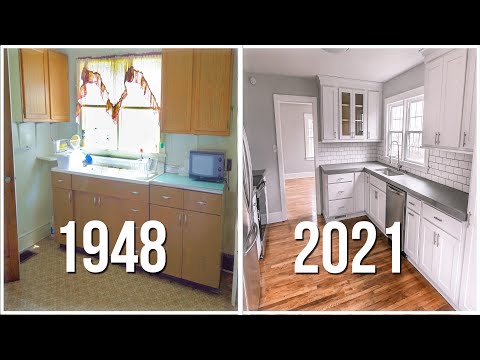
Kitchen renovations are one of the highest-return home improvement projects a homeowner can tackle, yet the phrase “budget kitchen renovation” often feels like an oxymoron. Most people assume that updating their cooking space requires a massive financial commitment, but that is far from the truth. With strategic planning, smart material choices, and a clear understanding of where your money should go, you can transform a dated kitchen into something modern, functional, and visually stunning without draining your savings. This guide walks you through every stage of an affordable kitchen remodel, from setting a realistic budget to choosing cost-effective finishes that deliver maximum impact. Whether you are a first-time renovator or a seasoned DIY enthusiast, the strategies below will help you stretch every dollar and achieve results that rival high-end kitchen designs.
Why a Budget Kitchen Renovation Delivers Exceptional Value
The kitchen is frequently the most used room in any home, and its condition directly influences both daily comfort and overall property value. A budget kitchen renovation allows you to address wear, outdated aesthetics, and functional shortcomings without the financial stress that accompanies a full-scale remodel. According to Remodeling Magazine’s Cost vs. Value Report, minor kitchen remodels recover a significant percentage of their investment at resale. The key lies in understanding that “budget” does not mean “compromised.” It means making deliberate decisions about where to invest and where to save. Prioritizing high-impact changes like refreshed cabinet fronts, updated hardware, and modern lighting can completely change the feel of a kitchen for a fraction of what a full gut renovation costs.
How Much Does a Budget Kitchen Renovation Cost?
Setting a realistic budget is the single most important step in any affordable kitchen remodel. Costs vary based on kitchen size, geographic location, material choices, and whether you hire professionals or take on the work yourself. Understanding these variables helps you allocate funds intelligently and avoid unpleasant surprises mid-project.
Breaking Down Average Costs
A modest budget kitchen renovation typically ranges from $5,000 to $20,000, depending on the scope of work. Here is a general breakdown of where money goes:
- Cabinets and Hardware: 30–40% of total budget
- Countertops: 15–20% of total budget
- Flooring: 10–15% of total budget
- Backsplash and Wall Finishes: 10–12% of total budget
- Lighting and Electrical: 8–10% of total budget
- Plumbing Fixtures: 5–8% of total budget
- Paint and Finishing Touches: 5–7% of total budget
DIY vs Professional: Which Saves More Money?
Labor costs account for roughly 20–35% of a total kitchen renovation budget. Tackling demolition, painting, hardware installation, and backsplash work yourself can dramatically reduce expenses. However, tasks involving plumbing, electrical wiring, or structural changes should almost always be left to licensed professionals. The safest approach for a budget kitchen renovation is to combine DIY-friendly tasks with professional work on complex systems. This hybrid strategy keeps costs low while ensuring code compliance and safety.
Top Budget-Friendly Kitchen Renovation Ideas
When money is tight, creativity becomes your most powerful tool. The following renovation ideas deliver dramatic visual results at surprisingly low costs, making them ideal for homeowners pursuing a budget kitchen remodel.
Cabinet Refacing and Painting
Replacing custom cabinets can easily consume 30–40% of a renovation budget. Cabinet refacing offers a compelling alternative that preserves the existing box structure while giving doors and drawer fronts a fresh, updated look. Professional refacing typically costs $4,000 to $8,000, which is significantly less than full replacement. For an even more affordable option, painting existing cabinets with high-quality cabinet-grade paint and upgrading to modern handles and pulls can transform the entire kitchen for under $1,500. Semi-gloss or satin finishes are popular choices because they resist grease and moisture buildup while being easy to clean.
Budget Countertop Options
Countertops are one of the most visible elements in any kitchen, and they do not need to break the bank. Butcher block offers a warm, rustic aesthetic at a moderate price point, while laminate countertops have evolved dramatically in design quality. Modern laminate options now mimic the appearance of granite, marble, and quartz at a fraction of the cost. Butcher block countertops typically run $20–$50 per square foot, while quality laminate ranges from $15–$40 per square foot. For maximum impact on a tight budget, consider refinishing existing countertops with a concrete epoxy overlay or contact paper specifically designed for kitchen surfaces.
Budget Backsplash Ideas That Elevate the Space
A backsplash is one of the most cost-effective ways to introduce visual interest into a kitchen. Subway tile remains a timeless favorite, costing as little as $1–$3 per square tile. Patterned layouts like herringbone or chevron add a contemporary feel without additional material expense. For a bolder look, peel-and-stick backsplash tiles have become increasingly popular because they require no grout and can be installed over existing surfaces, eliminating demolition costs entirely. Glass mosaic tiles and metallic finishes also create a high-end appearance at reasonable price points.
Smart Shopping Strategies for Affordable Kitchen Remodeling
Where and how you purchase materials makes a enormous difference in your overall budget kitchen renovation cost. Strategic shopping can save thousands of dollars without sacrificing quality.

Where to Buy Affordable Kitchen Materials

- Home improvement warehouse stores: Large-format retailers offer bulk pricing on cabinets, tile, and fixtures, often at prices significantly below traditional suppliers.
- Online marketplaces: Specialty kitchen retailers online frequently run clearance sales and offer discounted display models of countertops, sinks, and faucets.
- Reclaimed and surplus warehouses: Salvaged wood, vintage hardware, and factory-overrun tile can add unique character at steep discounts.
- End-of-season sales: Purchasing materials during off-peak remodeling seasons, typically late fall and winter, often yields substantial savings.
- Remnant counters and sample lots: Stone and quartz suppliers frequently sell remnants and display samples at deeply discounted prices.
Comparison Table: Budget Kitchen Materials and Their Costs
| Material | Approx. Cost per Sq Ft | Best For | Durability Rating |
| Laminate Countertop | $15–$40 | High-impact visual update | Moderate |
| Butcher Block | $20–$50 | Warm, natural aesthetic | Moderate-High |
| Tile Backsplash (Subway) | $1–$5 per tile | Classic, affordable accent | High |
| Peel-and-Stick Tile | $1–$3 per tile | No-demolition refresh | Moderate |
| Painted Cabinets | $50–$150 per door | Complete visual transformation | High |
| Cabinet Refacing | $4,000–$8,000 total | Structural preservation | High |
| LED Recessed Lighting | $15–$50 per fixture | Modern ambient upgrade | Very High |
Expert Tips to Stretch Your Kitchen Budget Further
Professional contractors and experienced renovators consistently recommend the following strategies for anyone pursuing a budget kitchen renovation:
- Phase your project: Tackle the most visible changes first—paint, hardware, lighting—and defer non-essential updates like appliance replacement to future budgets.
- Keep the existing layout: Moving plumbing, gas lines, or electrical outlets can add thousands of dollars. Maintaining the current layout is one of the single biggest money-saving decisions you can make.
- Invest in lighting: Replacing outdated fixtures with modern LED recessed lights or a stylish pendant creates an immediate perception of a completely renovated space.
- Use paint strategically: A fresh coat of paint on walls, ceilings, and even open shelving costs less than $200 but delivers the most dramatic visual return of any single update.
- Shop contractor closeouts: Many contractors sell surplus materials from other projects at reduced prices. Building relationships with local contractors opens access to these deals.
- Focus on the focal point: Most people’s eyes go directly to the countertop area and backsplash. Updating just these two zones creates a powerful impression without requiring a full renovation.
Common Budget Kitchen Renovation Mistakes to Avoid
Even the most carefully planned affordable kitchen remodel can go wrong if common pitfalls are ignored. One of the most frequent mistakes is underestimating hidden costs. Always add a contingency fund of at least 10–15% above your estimated total to cover unexpected issues like water damage behind walls or subfloor repairs. Another mistake is choosing materials solely based on upfront cost without considering long-term durability. Cheap vinyl flooring that peels within two years will cost more in replacement than a slightly pricier but longer-lasting option. Finally, avoid the trap of trying to replicate a high-end showroom on a limited budget. Focus instead on cohesive, intentional choices that create a unified look rather than a collection of expensive individual pieces.
Frequently Asked Questions About Budget Kitchen Renovations
1. What is the cheapest way to renovate a kitchen on a tight budget?
The most cost-effective approach is to paint existing cabinets, replace hardware, install a peel-and-stick backsplash, and update lighting fixtures. This combination typically costs between $500 and $2,000 and delivers a dramatically refreshed appearance without any structural changes or professional labor requirements.
2. How can I renovate my kitchen for under $5,000?
A sub-$5,000 budget kitchen renovation is achievable by focusing on cosmetic updates: repaint cabinets, install new drawer pulls and cabinet knobs, add a budget-friendly tile or peel-and-stick backsplash, replace the faucet and sink, and install affordable LED lighting. Keeping the existing layout and avoiding any plumbing or electrical work is essential to staying within this price range.
3. What kitchen renovations add the most value for the money?
Cabinet refacing, a new backsplash, fresh paint, upgraded lighting, and modern hardware consistently deliver the highest return on investment. These changes address visual appeal and functional improvements without the steep labor costs associated with structural alterations or appliance replacement.
4. Can I do a budget kitchen renovation myself, and what should I hire out?
Absolutely. Demolition, painting, hardware installation, backsplash tile work, and lighting fixture swaps are all very DIY-friendly tasks. However, any work involving moving plumbing lines, modifying electrical circuits, or altering load-bearing structures should be handled by licensed professionals to ensure safety and code compliance.
5. How long does a budget kitchen renovation typically take?
A cosmetic budget kitchen renovation can often be completed in one to three weekends when done as a DIY project. If hiring a contractor for select tasks like cabinet refacing or countertop installation, the timeline typically extends to two to four weeks depending on material lead times and scheduling.
A budget kitchen renovation is not about cutting corners—it is about making smart, informed decisions that maximize visual impact while minimizing financial strain. By focusing on high-return updates like cabinet refreshes, strategic lighting upgrades, and affordable backsplash solutions, you can achieve a kitchen that looks and functions beautifully without the extravagant price tag. The strategies outlined in this guide provide a practical roadmap for homeowners at every experience level, from first-time renovators to those looking to squeeze additional value out of a modest remodel. Start with a clear budget, prioritize changes that matter most, and remember that thoughtful planning always outweighs a bigger price tag when it comes to creating a kitchen you truly love.