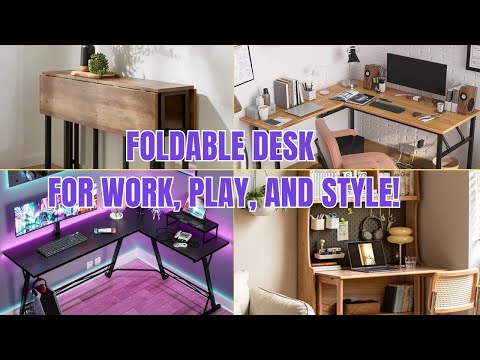
If you are working from a studio apartment, a compact home office, or a bedroom with limited floor space, finding the right workstation can feel like solving a puzzle. A corner desk for small spaces solves that puzzle elegantly by tucking neatly into the one underutilized zone of any room — the corner. Unlike traditional rectangular desks that eat up valuable wall space, corner workstations capitalize on dead zones and free up the center of your room for movement and other furniture. Whether you are a freelancer building a minimalist writing nook or a professional managing dual monitors from a tight apartment office, the right corner desk transforms a cramped corner into a functional, stylish, and highly productive hub. This guide covers everything you need to know about choosing, setting up, and optimizing a compact corner desk that works as hard as you do.
Why a Corner Desk Is the Smart Choice for Small Spaces
When square footage is scarce, every inch of floor space matters. A corner desk for small rooms unlocks a strategic advantage that flat desks simply cannot match. By positioning your workstation diagonally against two walls, you reclaim the open center of the room while still having a generous surface area for your laptop, documents, or creative tools. This layout also improves traffic flow, making a room feel larger and less cluttered.
Beyond the spatial benefits, corner desks encourage a more organized workflow. Having two walls at your back means you can anchor shelves, cable management systems, and wall-mounted organizers directly adjacent to your desk, keeping essentials within arm’s reach without spreading them across the floor. For anyone serious about productivity in a compact environment, this design is not just a convenience — it is a necessity.
Key Features to Prioritize When Choosing a Compact Corner Desk
Not all corner desks are created equal, and selecting the right one for a small space requires attention to specific details that go beyond aesthetics. Here are the critical features to evaluate before making a purchase.
Size and Dimensions That Fit Your Room
Measuring your available corner space is the non-negotiable first step. A corner desk for a small apartment typically ranges from 48 to 60 inches along each wall edge, but the exact dimensions depend on the room layout. Leave at least 24 to 30 inches of clearance behind your chair for comfortable movement. Before ordering, sketch your floor plan or use a tape measure to confirm that the desk will not block doorways, windows, or walkways.
- Measure both walls forming the corner to account for asymmetrical rooms.
- Check the desk’s height — standard is around 29 to 30 inches, but adjustable-height options offer ergonomic flexibility.
- Consider the diagonal depth, as some corner desks extend far into the room and can feel cramped.
Material and Build Quality
The material of your compact corner desk directly affects its durability, visual weight, and how it fits into your room’s aesthetic. Lightweight materials like particleboard or MDF keep the overall look airy, while solid wood or metal frames add sturdiness and a premium feel. For small spaces, choosing a desk with a lighter visual footprint — think white laminate or light wood grain — helps prevent the room from feeling weighed down.
If you are working from home long-term, invest in a desk with a scratch-resistant surface and reinforced edges. The last thing you want is a wobbly workstation that undermines your focus and productivity.
Storage and Organization Capabilities
A corner desk for a small office that includes built-in storage is a massive advantage. Shelves, cubbies, and drawer units integrated into the desk design eliminate the need for bulky standalone furniture. Some models feature a hutch overhead, which adds vertical storage without consuming additional floor space.
Look for these storage features when comparing options:
- Under-desk keyboard trays that free up surface area.
- Open shelves above the desktop for books and reference materials.
- Cable management holes and trays to keep cords hidden and tidy.
- Side-mounted file organizers or small cabinet doors for confidential documents.
Best Types of Corner Desks for Compact Workspaces
Understanding the different styles of corner desks available helps you match the furniture to both your spatial constraints and your work style. Here is a breakdown of the most popular options for small spaces.
L-Shaped Corner Desks — These are the most common and versatile option. An L-shaped corner computer desk provides a wide surface that wraps around two walls, giving you dedicated zones for your monitor setup and workspace essentials. They are ideal for dual-monitor configurations and users who need separation between their primary work area and a secondary station for notes or reference materials.
Triangular Floating Corner Desks — These minimalist designs mount directly to the wall, leaving the floor completely open. A floating corner desk is perfect for studios or apartments where every square inch of floor space counts. They create the illusion of a larger room while still offering a functional work surface. The trade-off is limited under-desk storage, so pairing one with a small rolling cart can compensate.
Corner Desk with Hutch — If storage is your top priority, a hutch-style corner desk adds vertical shelving above the work surface. This design is particularly effective in bedrooms or living rooms where the desk doubles as a multi-purpose station for both work and personal projects.
Adjustable Standing Corner Desks — For health-conscious professionals, a height-adjustable corner desk allows you to alternate between sitting and standing throughout the day. These desks typically come with electric or manual crank mechanisms and are slightly bulkier, but the ergonomic benefits in a small space are worth the trade-off.
Comparing Popular Corner Desk Styles for Small Spaces

The table below compares the most common corner desk types to help you decide which option best suits your compact workspace needs.
| Desk Style | Floor Space Used | Storage Options | Best For |
| L-Shaped Corner Desk | Medium | Moderate to High | Dual monitor setups, heavy multitaskers |
| Floating Triangular Desk | Minimal | Low | Studio apartments, minimalist workspaces |
| Corner Desk with Hutch | Medium | Very High | Multi-purpose rooms, heavy storage needs |
| Adjustable Standing Corner Desk | Medium to Large | Moderate | Ergonomic-focused users, long work sessions |
| Compact Round Corner Desk | Small | Low to Moderate | Creative workspaces, children’s rooms |
As you can see from the comparison, each style serves a distinct purpose. If your primary concern is maximizing every inch of your room, a floating corner desk is the clear winner. If you need a workspace that also serves as a storage solution, a hutch-style L-shaped desk provides the best of both worlds.
Expert Tips for Setting Up Your Small Corner Desk
Buying the right corner desk is only half the equation. How you set it up determines whether it actually improves your workflow or becomes another source of clutter. Here are expert-tested strategies for making the most of your compact corner workstation.
- Use vertical space aggressively. Install wall-mounted shelves above or beside the desk to keep books, binders, and decorative items off the desktop. The more surface area you preserve, the less cramped your workspace feels.
- Choose a monitor arm or laptop stand. Elevating your screen frees up desk space underneath and improves your posture. A compact monitor arm clamps to the desk edge and takes up virtually no surface area.
- Go wireless wherever possible. Wireless keyboards, mice, and charging pads eliminate cable clutter, which is especially important in a small corner desk setup where messes are more visible.
- Use light colors and mirrors. A white or light-toned corner desk reflects natural light and makes the surrounding area feel more open. Placing a small mirror on the adjacent wall doubles the perceived depth of the room.
- Anchor the desk with a rug or mat. In open-plan spaces, defining the desk area with a small rug visually separates the workstation from the rest of the room, creating a sense of organization even in tight quarters.
FAQ: Common Questions About Corner Desks for Small Spaces
What is the best corner desk for a 5×5 room? In a room as small as 5 by 5 feet, a floating triangular corner desk or a compact L-shaped desk measuring no more than 42 inches on each side is your best bet. Look for models with a thin profile and lightweight materials so the desk does not dominate the room. Prioritize desks with built-in cable management to keep the setup clean and visually streamlined.
How do I make a small corner desk feel less cramped? The key is managing visual weight. Choose a desk with open legs or a floating design to maintain sightlines across the floor. Keep the desktop surface as clear as possible, using vertical storage for items you do not need constant access to. Adding a single plant or a piece of artwork on the wall beside the desk draws the eye upward and creates the perception of a more spacious room.
Can I use a corner desk for a dual monitor setup in a small space? Absolutely. An L-shaped corner desk for small spaces with at least 55 inches of surface on each arm provides ample room for dual monitors, a keyboard, and a mouse pad. If space is extremely limited, consider a curved corner desk, which wraps more naturally into the corner and provides a wider usable surface without extending deep into the room.
What material is best for a corner desk in a humid environment like a bathroom or basement office? For high-moisture areas, choose a corner desk made from waterproof laminate, solid hardwood with a sealed finish, or powder-coated metal. Avoid particleboard and standard MDF, which swell and warp when exposed to humidity. A waterproof small corner desk with sealed edges ensures longevity even in challenging environments.
Are adjustable corner desks worth the investment for small home offices? Yes, especially if you spend more than four hours a day at your desk. An adjustable-height corner desk allows you to alternate between sitting and standing, which reduces back strain and improves circulation. While they tend to cost more than fixed-height models, the health benefits and adaptability make them a worthwhile investment for any dedicated small-space home office.
Final Thoughts: Making the Right Choice for Your Space
Selecting a corner desk for a small space is about balancing functionality, style, and spatial efficiency. The right desk does not just fill a corner — it redefines how you use the entire room. By focusing on dimensions that match your layout, materials that complement your aesthetic, and features that address your specific workflow needs, you can turn even the most overlooked corner of your home into a productive and inspiring workspace. Take your time measuring, compare your options thoughtfully, and invest in a desk that will serve you well for years to come. Your small space has more potential than you think, and the perfect corner desk is the key to unlocking it.