If you have been staring at a neglected or underused outdoor space and thinking about how to transform it into something beautiful and functional, you are in the right place. Designing the backyard is one of the most rewarding home improvement projects you can undertake, and it does not have to be overwhelming. Whether you are working with a small urban plot or a sprawling suburban lot, the principles of effective backyard design remain the same: create spaces that reflect your lifestyle, enhance your property value, and bring you joy every time you step outside. This guide walks you through everything from initial planning and layout decisions to choosing plants, hardscaping materials, and outdoor furniture that ties the whole vision together. By the end, you will have a clear roadmap to turn your backyard from an afterthought into the highlight of your home.

Why Designing Your Backyard Matters More Than You Think
A well-designed backyard does far more than look pretty. It extends your living space, boosts curb appeal, and creates a sanctuary where you can relax, entertain, and reconnect with nature. Studies consistently show that homes with thoughtfully landscaped outdoor areas sell faster and at higher prices. But beyond financial value, a beautifully designed backyard improves your mental health, encourages outdoor time with family, and gives you a place to unwind after a long week. When you invest effort into designing the backyard of your dreams, you are investing in your quality of life every single day.
Assessing Your Backyard Space Before You Start
Before you pick out plants or order patio furniture, take a close look at what you already have. A thoughtful assessment saves time, money, and frustration down the road. Walk through your yard at different times of the day and note everything that catches your attention — and everything you want to change.
Measuring and Mapping Your Outdoor Area
Start by measuring the dimensions of your backyard. Sketch a rough floor plan on graph paper or use a free digital tool like Google SketchUp or Canva’s outdoor planner. Mark existing features such as fences, trees, utility lines, drainage points, and any structures like sheds or decks. This baseline map becomes your canvas for experimentation. Knowing exact measurements helps you choose furniture and features that fit proportionally, which is one of the most common mistakes beginners make.
Understanding Sun Patterns and Soil Conditions
Spend a day observing how sunlight moves across your yard. Note which areas get full sun, partial shade, or deep shade. This information is critical because it determines what plants will thrive and where to place an outdoor dining area or lounge zone. Similarly, test your soil to understand its pH level and drainage capacity. Some backyard designs require raised beds or amended soil, and knowing this upfront prevents wasted effort and disappointing plantings.
Core Elements of Backyard Design
Every successful backyard design weaves together two fundamental categories: hardscaping and softscaping. Balancing these elements is what separates a generic yard from a stunning outdoor retreat.
Hardscaping: Patios, Walkways, and Retaining Walls
Hardscaping refers to the non-living, structural components of your landscape. This includes:
- Patios and decking areas — the anchor of most backyard designs, perfect for dining and lounging
- Walkways and pathways — guide movement and create visual flow through the space
- Retaining walls — manage slope and add dimension, especially on uneven terrain
- Water features — fountains, ponds, or spillover urns that add calming ambience
- Fire pits and outdoor kitchens — extend usability into cooler months and elevate entertaining
When selecting hardscaping materials, consider durability, maintenance, and aesthetic harmony. Natural stone, concrete pavers, and composite decking are among the most popular choices for homeowners looking to design a backyard that stands the test of time.
Softscaping: Plants, Trees, and Flower Beds
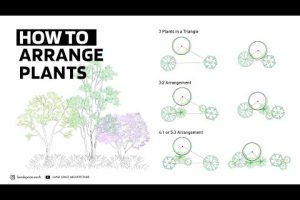
Softscaping brings life, color, and texture to your outdoor space. The key is to think in layers — canopy trees, understory shrubs, mid-height perennials, ground cover, and seasonal annuals. Choose a mix of evergreen and deciduous plants so your backyard maintains visual interest year-round. Native plants are an excellent choice because they require less water, attract pollinators, and adapt well to local climate conditions. When in doubt, consult your local nursery or cooperative extension office for plant recommendations tailored to your region.
Popular Backyard Design Styles to Consider
The right design style depends on your personal taste, climate, and how you use your outdoor space. Here are five trending approaches that work across a range of budgets and property sizes:
| Design Style | Best For | Key Features |
| Modern Minimalist | Urban homes and small yards | Clean lines, neutral tones, geometric pavers, low-maintenance plants |
| Cottage Garden | Traditional homes and large plots | Abundant flowers, winding paths, rustic furniture, picket borders |
| Tropical Retreat | Warm climates and humid regions | Broad-leaf plants, water features, bamboo accents, layered greenery |
| Mediterranean | Sunny, dry climates | Terracotta pots, gravel pathways, olive trees, stone fountains |
| Outdoor Living Room | Entertainment-focused spaces | Comfortable seating zones, fire pit, lighting, outdoor kitchen |
You do not need to stick strictly to one style. Many of the most impressive backyards blend elements from multiple aesthetics to create a look that feels uniquely personal. The goal is coherence — choose a unifying color palette, repeat key materials, and maintain consistent spacing to keep the design from feeling chaotic.
Budget-Friendly Tips for Backyard Transformation
Designing the backyard of your dreams does not require a massive budget. With smart planning and strategic choices, you can achieve dramatic results without breaking the bank.

- Start with a focal point. A single statement piece — a fire pit, a pergola, or a large container garden — draws the eye and anchors the entire design.
- Use mulch and gravel strategically. These materials are affordable, suppress weeds, and create a polished look without the cost of stone or brick.
- Grow from seed or cuttings. Perennials and fast-growing annuals can fill large areas at a fraction of the cost of mature container plants.
- DIY where possible. Simple projects like building raised beds, installing a gravel path, or painting old furniture can save hundreds of dollars.
- Phase your project. Tackle one zone at a time rather than trying to redo the entire yard in a single season. This spreads costs and lets you refine your design as you go.
Low-Maintenance vs. High-Impact: A Comparison
If you want to design a backyard that looks incredible without demanding constant attention, understanding the trade-offs between low-maintenance and high-impact approaches is essential.
| Factor | Low-Maintenance Design | High-Impact Design |
| Plant Selection | Native species, succulents, ornamental grasses | Mixed flower beds, seasonal color rotations |
| Irrigation | Drip systems or soaker hoses | Automated sprinkler systems with timers |
| Hardscaping | Gravel, decomposed granite, ground cover | Paver stones, built-in seating, water features |
| Time Commitment | 2-4 hours per week | 6-10 hours per week |
| Annual Cost | Lower — fewer replacements and less water | Higher — seasonal plantings and material upkeep |
| Aesthetic Result | Natural, relaxed, and serene | Vibrant, lush, and showstopping |
For most homeowners, a hybrid approach works best. Invest in low-maintenance hardscaping and foundational plantings, then add high-impact seasonal containers or annual flower beds for bursts of color and personality. This strategy keeps your backyard looking fantastic while respecting your available time and energy.
Expert Tips for a Backyard Design That Lasts
Experienced landscape designers share a few insights that separate forgettable yards from timeless outdoor spaces:
- Think vertically. Use trellises, wall-mounted planters, and climbing vines to add depth and draw the eye upward, especially in smaller backyards.
- Layer your lighting. Combine path lights, string lights, and uplighting to create atmosphere and extend usability well past sunset.
- Consider privacy early. Plan fencing, hedges, or bamboo screens as part of your initial design rather than retrofitting them later.
- Choose durability over aesthetics alone. Outdoor furniture, pavers, and planters should withstand rain, heat, and UV exposure without deteriorating quickly.
- Leave room for growth. Plants fill out over time, and your needs may change. Design with flexibility so your backyard can evolve with your lifestyle.
Frequently Asked Questions About Backyard Design
How do I start designing my backyard on a tight budget?
Begin with a free soil test and a hand-drawn sketch of your current yard. Identify one or two priority areas — such as a seating zone or a garden bed — and focus your budget there. Use affordable materials like gravel, reclaimed wood, and seed-grown plants to stretch your dollars. Many homeowners find that even a $500 to $1,000 investment in a single focal area transforms the entire feel of their backyard.
What are the best low-maintenance plants for backyard design?
Native grasses, lavender, succulents, hydrangeas, and ornamental shrubs like boxwood or dwarf Alberta spruce are excellent choices. They require minimal watering, resist common pests, and provide year-round structure. Always check your USDA hardiness zone or local climate zone to confirm plant suitability for your specific region.
How can I make a small backyard feel larger?
Use light-colored paving materials, avoid cluttered furniture arrangements, and incorporate mirrors or reflective surfaces. Creating distinct zones with different ground levels or materials tricks the eye into perceiving more space. Keeping pathways narrow and using vertical gardening techniques also helps maximize the sense of openness in compact backyards.
What is the best way to plan drainage in backyard design?
Grade your yard so water flows away from your home’s foundation. Install French drains, dry creek beds, or permeable pavers in areas prone to pooling. If you plan to include a water feature, position it at a low point and ensure it has an overflow drainage plan. Proper drainage protects both your hardscaping investment and your home’s structural integrity.
Should I hire a professional or design my backyard myself?
If your project involves complex grading, major structural work like retaining walls over four feet, or irrigation system installation, hiring a licensed landscape designer or contractor is strongly recommended. For simpler projects focused on planting, patio layout, and furniture arrangement, DIY design with the help of online planning tools can yield excellent results and significant cost savings.
What outdoor features add the most value to a home?
Research consistently shows that composite decking, well-designed outdoor kitchens, lighting upgrades, and landscaped front-to-back flow deliver the highest return on investment. Even modest improvements like a freshly painted fence, new outdoor lighting, or a clean, well-arranged patio area can significantly increase buyer interest and perceived property value when it comes time to sell.
Conclusion
Designing the backyard is equal parts art and science, creativity and practicality. By starting with a clear assessment of your space, understanding your climate and soil, choosing a design style that resonates with you, and balancing hardscaping with thoughtful plant selection, you create an outdoor environment that elevates every day of your life. Whether you are working within a modest budget or planning a comprehensive transformation, the principles remain the same: plan deliberately, invest in quality materials where it counts, and leave room for your backyard to grow and evolve. The result is not just a prettier yard — it is a more enjoyable home and a lasting investment in your property’s future.