


Architectural design is far more than drafting floor plans or selecting materials — it is the art and science of shaping the spaces where human life unfolds every single day. From the soaring glass towers that define modern city skylines to the timeless simplicity of a well-proportioned farmhouse, architectural design influences how we feel, work, and connect with the world around us. Whether you are a homeowner exploring design ideas, a student studying building sciences, or a professional refining your creative vision, understanding the principles, styles, and practical considerations behind great architecture can transform the way you approach any project. This comprehensive guide dives deep into the most influential architectural styles, the core principles that separate good design from exceptional design, and actionable strategies for selecting and executing a design that truly works for its intended purpose.
What Architectural Design Really Means
At its core, architectural design refers to the deliberate process of envisioning, planning, and constructing buildings and physical structures that serve both functional and aesthetic purposes. It bridges the gap between engineering feasibility and artistic expression, requiring a deep understanding of structural mechanics, environmental context, building codes, and human behavior. When we talk about building design, we are really discussing how space is organized, how light enters a room, how people move through a structure, and how the final creation harmonizes with its surroundings.
The significance of architectural design extends beyond individual buildings. Urban design, landscape architecture, and interior design all branch from the same foundational principles. A well-designed structure can improve energy efficiency, boost property values, enhance mental well-being, and even shape entire neighborhoods. Conversely, poor architectural decisions can lead to wasted resources, discomfort, safety hazards, and long-term financial losses.
Key Styles of Architectural Design
The world of building design encompasses an enormous range of styles, each rooted in cultural history, technological innovation, and environmental context. Understanding these styles is essential for anyone involved in design planning or construction projects.
Classical and Traditional Architectural Styles
Classical architecture draws from the traditions of ancient Greece and Rome, emphasizing symmetry, columns, pediments, and proportional harmony. Styles such as Neoclassical, Georgian, and Federal architecture remain popular in government buildings, universities, and luxury homes where permanence and elegance matter.

Traditional architectural design also includes regional variations like Craftsman, Victorian, and Colonial styles. These designs often feature handcrafted details, natural materials, and a strong connection to local climate and cultural identity.
- Neoclassical: Grand columns, triangular pediments, and symmetrical facades
- Georgian: Brick exteriors, sash windows, and balanced room layouts
- Craftsman: Exposed beams, hand-built woodwork, and covered porches
- Colonial: Simple rectangular forms, central hallways, and gabled roofs
Modern and Contemporary Architectural Design
Modern architecture emerged in the early 20th century as a rejection of ornamentation, prioritizing clean lines, open floor plans, and the honest use of materials like steel, concrete, and glass. Pioneers like Le Corbusier, Ludwig Mies van der Rohe, and Frank Lloyd Wright redefined what buildings could be.
Contemporary architecture builds on modernist principles while embracing new technologies, organic forms, and experimental aesthetics. Today’s design trends include parametric facades, adaptive reuse of existing structures, and biophilic design elements that integrate natural light and vegetation into built environments.
Sustainable and Green Architectural Design
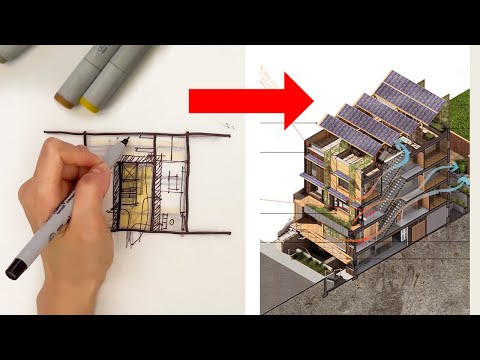
Sustainable design has moved from niche concept to industry standard. Green architecture focuses on minimizing environmental impact through energy-efficient systems, recycled and locally sourced materials, passive solar heating, natural ventilation strategies, and renewable energy integration. Certification systems like LEED and BREEAM provide frameworks for evaluating the sustainability performance of building projects.
Core Principles of Great Architectural Design
Regardless of style, exceptional architectural design rests on several foundational principles that experienced professionals consistently apply:
- Functionality: A building must serve the needs of its occupants first. Every design decision should trace back to how people will actually use the space on a daily basis.
- Form and Proportion: Visual harmony depends on proportional relationships between structural elements, window-to-wall ratios, and the overall massing of a building.
- Contextual Sensitivity: Great designs respond to their site — considering topography, climate, views, neighboring structures, and local cultural traditions.
- Material Honesty: Using materials in ways that celebrate their natural qualities rather than disguising them leads to more authentic and durable results.
- Sustainability: Designing for long-term energy performance, reduced carbon footprint, and resilience against climate shifts is no longer optional — it is essential.
- Adaptability: Buildings that can be modified or repurposed over time offer greater long-term value and reduce waste.
Comparing Architectural Styles: A Quick Reference
When evaluating different approaches to building design, it helps to compare them across practical dimensions such as cost, maintenance, energy performance, and aesthetic appeal.
| Style | Cost Range | Energy Efficiency | Maintenance Level | Best Suited For |
| Classical / Neoclassical | High | Low to Moderate | High | Institutional and luxury projects |
| Modern | Moderate to High | Moderate | Low to Moderate | Urban residential and commercial |
| Contemporary | High | Moderate to High | Moderate | Custom homes and civic buildings |
| Sustainable / Green | Moderate to High | Very High | Low to Moderate | Eco-conscious projects of all types |
| Traditional / Craftsman | Moderate | Low to Moderate | High | Suburban and heritage neighborhoods |
Practical Tips for Choosing the Right Architectural Design
Selecting an architectural design strategy requires balancing creative aspirations with practical constraints. Here are expert recommendations that can guide your decision-making process:
- Start with the site: Conduct a thorough analysis of the land, climate, zoning regulations, and orientation before committing to a design concept. The best designs emerge from deep engagement with the physical context.
- Define your priorities: Create a ranked list of functional requirements, aesthetic preferences, and budget constraints. This clarity helps architects and designers make informed trade-offs.
- Think long-term: Consider how the building will age, how maintenance costs will accumulate, and whether the design can accommodate future lifestyle changes or technological upgrades.
- Hire the right professionals: Work with licensed architects and structural engineers who have proven experience in your specific project type. Review their portfolios carefully and check references.
- Embrace collaboration: The best outcomes happen when clients, architects, engineers, and contractors communicate openly throughout the design and construction phases.
- Invest in energy modeling: Early-stage energy simulations can reveal significant cost savings and comfort improvements that are easy to overlook during the design phase.
Common Mistakes to Avoid
Even well-intentioned projects can go wrong when certain pitfalls are overlooked. Avoid cutting corners on structural engineering calculations, underestimating the cost of permits and regulatory approvals, choosing aesthetics over livability, or ignoring local building codes and zoning restrictions. These decisions often lead to expensive corrections later in the process.
Frequently Asked Questions
What are the most popular architectural design styles for residential homes in 2024?
Contemporary minimalism, mid-century modern revival, and sustainable passive house designs dominate the residential market in 2024. Homeowners increasingly favor open-plan layouts, large windows for natural light, and energy-efficient building envelopes that reduce heating and cooling costs. Farmhouse and Craftsman styles also maintain strong popularity due to their warmth and connection to traditional craftsmanship.
How much does a custom architectural design typically cost?
Custom architectural design fees generally range from 8% to 15% of total construction costs, though this varies significantly based on project complexity, location, and the architect’s experience level. For a mid-range residential build costing $400,000, you might expect design fees between $32,000 and $60,000. Simpler projects and standardized plans typically cost less, while highly customized or large-scale commercial designs command premium fees.
What is the difference between modern and contemporary architectural design?
Modern architecture refers specifically to the movement that emerged in the early-to-mid 20th century, characterized by flat roofs, open floor plans, and industrial materials. Contemporary architecture describes the current design landscape, which draws freely from multiple eras and styles, often incorporating curved forms, mixed materials, smart home technology, and sustainable features. Modern is a specific historical movement; contemporary is an evolving, present-day approach.
How can architectural design improve a building’s energy efficiency?
Strategic orientation of the building to maximize passive solar gain, high-performance insulation, thermal mass materials, natural ventilation pathways, and high-performance glazing all contribute dramatically to energy efficiency. Additionally, integrating renewable energy systems like rooftop solar panels, geothermal heating, and smart building management systems during the design phase yields the best long-term results.
What role does zoning play in architectural design decisions?
Zoning regulations dictate what can be built on a specific parcel of land, including height restrictions, setback requirements, allowable density, use categories, and parking mandates. Architects must work within these frameworks from the earliest design stages, as attempting to circumvent zoning rules later in the process leads to costly redesigns, denied permits, and legal complications.
Conclusion
Architectural design is a powerful discipline that shapes the physical world we inhabit and directly impacts our quality of life, environmental footprint, and economic well-being. Whether you are drawn to the timeless elegance of classical proportions, the clean minimalism of modern design, or the innovative possibilities of sustainable and contemporary approaches, the key to success lies in informed decision-making, skilled collaboration, and a willingness to invest in quality from the very beginning. The best buildings are not just structures — they are thoughtful responses to human needs, environmental realities, and cultural aspirations. By understanding the principles, styles, and practical strategies outlined in this guide, you are better equipped to embark on any architectural project with confidence and clarity. The built environment of tomorrow starts with the design choices we make today.