DIY wood crafts have exploded in popularity over the past several years, transforming from a niche hobby into a full-blown creative movement that spans workshops, social media feeds, and home décor stores worldwide. Whether you are a complete beginner picking up a hand saw for the first time or a seasoned woodworker looking to refine your technique, the world of woodworking projects offers something genuinely exciting for everyone. The beauty of building with wood lies not just in the finished product but in the process itself—the feel of the grain under your hands, the satisfaction of joining two pieces together, and the pride of creating something functional and beautiful with your own two hands. This guide dives deep into the craft, covering tools, techniques, project ideas, and expert insights across every skill level.
What Are DIY Wood Crafts and Why Are They Trending?
At its core, DIY wood crafts refers to the practice of designing and building handmade wooden items—from simple decorative pieces to complex furniture—without relying on professional fabrication services. The trend has surged for multiple reasons: rising costs of manufactured goods, a growing desire for sustainable living, and the therapeutic benefits of working with your hands. Studies in occupational therapy have shown that hands-on crafting reduces cortisol levels and improves mental well-being, which explains why millions of people have turned to woodworking for beginners as both a creative outlet and a stress-relief practice.
The Rise of Handmade Wood Projects in Modern Culture
Platforms like YouTube, TikTok, and Instagram have democratized woodworking knowledge, making it possible for anyone to watch a live-edge resin table being built in real time. This exposure has fueled a cultural shift where homemade items carry more perceived value than mass-produced alternatives. The maker movement has played a significant role too, encouraging people to learn hand tool woodworking and small-scale woodturning projects in their garages and home workshops. The result is a vibrant community of crafters sharing plans, tips, and inspiration across every corner of the internet.
Essential Tools and Materials for DIY Wood Crafts
Before jumping into a project, understanding your toolkit is essential. The right tools make the difference between a frustrating experience and a rewarding build. Here is what every wood crafter should consider investing in.
Must-Have Hand Tools for Beginner Woodworkers:
- Hand saw or Japanese pull saw for precise cuts
- Woodworking chisels in varying widths (¼ inch, ½ inch, 1 inch)
- Block plane for shaping and smoothing surfaces
- Clamps—multiple sizes for securing joints during glue-up
- Measuring tape, combination square, and marking gauge
- Sandpaper assortment (80 grit through 220 grit)
- Wood glue and a brush for application
Power Tools Worth Considering as You Progress:
- Cordless drill and driver set
- Random orbital sander for efficient surface preparation
- Jigsaw for curved cuts and intricate shapes
- Router for edge profiling and joinery
- Miter saw or table saw for straight, accurate crosscuts
Choosing the Right Wood Species

Your material choice directly impacts the look, durability, and difficulty of your project. Different wood species behave differently under cutting and finishing, so selecting the right one is critical. Below is a comparison of popular options for handcrafted wood items.
| Wood Species | Difficulty Level | Best For | Price Range |
| Pine | Very Easy | Beginner shelves, picture frames, toys | $2–$5 per board foot |
| Poplar | Easy | Boxes, painted furniture, decorative items | $3–$6 per board foot |
| Walnut | Moderate | Cutting boards, jewelry boxes, furniture accents | $8–$15 per board foot |
| Maple | Moderate | Cutting boards, hardwood furniture, turning blanks | $6–$12 per board foot |
| Cherry | Moderate | Fine furniture, woodturning, heirloom pieces | $7–$14 per board foot |
| White Oak | Challenging | Outdoor furniture, rustic décor, live-edge tables | $5–$10 per board foot |
Pro Tip: Always check the moisture content of your lumber before starting a project. Wood with excess moisture will warp, crack, or develop mold over time. A wood moisture meter is a small investment that pays massive dividends in project quality.
Easy DIY Wood Craft Projects for Beginners
If you are just starting out, the key is to choose projects that build fundamental skills without overwhelming you. Here are some of the best simple wood craft ideas to get comfortable with tools and materials.
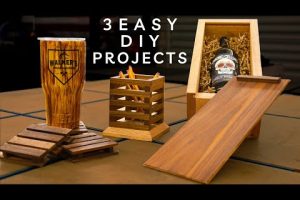
1. Wooden Coasters — Cut small squares or circles from scrap hardwood, sand to a smooth finish, and apply food-safe mineral oil. This project teaches you basic cutting, sanding, and finishing techniques in under an hour.
2. Floating Wall Shelves — A deceptively simple build that introduces you to dado joints, pocket hole screws, and wall-mounting hardware. These shelves look stunning when finished with a natural oil or wax.
3. Plant Stand from a Single Board — Using a single plank of pine or cedar, you can create a beautiful multi-tiered plant stand using basic crosscuts and simple assembly. This is one of the most popular beginner wood projects online for good reason.
4. Custom Key Holder with Woodburning — Combine basic carving with pyrography to create a personalized key hanger. Adding your family name or a meaningful quote elevates a simple craft into a heartfelt gift.
Intermediate Wood Craft Ideas to Level Up
Once you have mastered the basics, it is time to push your skills further. Intermediate projects introduce more complex joinery, curved shapes, and refined finishing techniques that dramatically improve the quality of your work.
Woodworking Techniques to Master at the Intermediate Level
Dovetail Joints — Widely regarded as the hallmark of fine woodworking, dovetail joints provide exceptional mechanical strength and visual elegance. Start with half-blind dovetails on a small drawer before attempting through-dovetails on a full-sized piece.
Woodturning on a Lathe — Turning blanks on a wood lathe opens up an entirely new category of projects: bowls, pens, lamp bases, and spindles. The meditative rhythm of shaping wood on a lathe is one of the most rewarding aspects of the craft.
Live-Edge Resin Art Integration — Combining natural wood edges with colored epoxy resin creates striking conversation pieces. This technique requires careful mold preparation, proper epoxy mixing, and bubble removal techniques, making it an excellent intermediate challenge.
Steam Bending — Using steam to soften wood fibers allows you to create gentle curves that would be impossible with flat stock alone. This technique is essential for building rocking chairs, curved stool legs, and sculptural pieces.
Advanced DIY Wood Crafts for Experienced Makers
For those with significant experience, advanced projects demand precision joinery, artistic design sensibility, and mastery of finishing techniques. These builds often become showpiece items and can even generate income when sold through craft fairs or online marketplaces.
Hand-Cut Dovetail Dressers and Cabinets — Building a full dresser using only hand-cut joinery is considered one of the ultimate tests of a woodworker’s skill. Every joint must fit perfectly without excessive force, and the alignment of all components must be flawless.
Curved Scandinavian-Style Furniture — Bentwood chairs, sculpted coffee tables, and flowing sideboards represent the pinnacle of artistic woodworking. These pieces require deep understanding of wood movement, grain direction, and structural engineering.
Marquetry and Inlay Work — The art of embedding thin wood veneers into a surface to create intricate patterns is centuries old and still practiced by master craftsmen today. This discipline demands extreme patience, precision cutting, and a keen eye for design composition.
Expert Tips and Pro Recommendations

After years of working with wood, experienced crafters have accumulated wisdom that can save you countless hours of frustration. Here are the most valuable woodworking tips for craftspeople:
- Sharpen your tools regularly. A dull blade tears wood fibers instead of slicing them cleanly, leading to rough surfaces and tear-out. A simple honing jig and diamond sharpening stones make a world of difference.
- Measure twice, cut once—then measure again. This old adage exists for a reason. Even experienced woodworkers double-check measurements before committing to a cut.
- Invest in quality clamps over expensive power tools. Proper clamping pressure ensures tight joints and prevents boards from shifting during glue-up, which is the foundation of every successful build.
- Always work with the grain when sanding. Sanding against the grain creates visible scratches that become impossible to hide under most finishes.
- Test your finish on scrap wood first. Every species absorbs stain and oil differently. Applying your chosen finish to a scrap piece of the same wood prevents disappointing results on your final project.
- Join a local woodworking guild or online community. Feedback from experienced makers accelerates your learning curve exponentially and connects you with potential collaborators and mentors.
Conclusion
DIY wood crafts offer a deeply fulfilling creative journey that rewards patience, practice, and curiosity. From your very first coaster to a hand-cut dovetail cabinet, every project builds skills that compound over time. The beauty of this craft is that there is always something new to learn—a novel joinery technique, an exotic wood species, or a finishing method that transforms the look and feel of your work. Whether you are drawn to rustic farmhouse décor, modern minimalist furniture, or ornamental handcrafted gifts, the world of woodcraft welcomes you with open arms. Start with simple projects, embrace mistakes as learning opportunities, and enjoy every moment of the making process.
Frequently Asked Questions
What is the easiest DIY wood craft project for absolute beginners?
The easiest starting point is a set of wooden coasters or a simple floating shelf. These projects require minimal tools, use affordable softwood like pine, and teach essential skills like measuring, cutting, sanding, and basic finishing without overwhelming complexity.
What type of wood is best for first-time DIY wood crafts?
Softwoods like pine and poplar are ideal for beginners because they are affordable, readily available at most home improvement stores, easy to cut and sand, and forgiving of minor mistakes. As you gain confidence, transitioning to hardwoods like walnut and maple introduces new challenges and beautiful results.
How much does it cost to start a DIY wood craft hobby?
A basic starter kit—including a hand saw, chisels, clamps, sandpaper, wood glue, and a few board feet of pine—can cost between $75 and $150. Many beginners already own household items like measuring tapes and squares, reducing the initial investment significantly.
Can I sell DIY wood crafts I make at home?
Absolutely. Platforms like Etsy, local craft fairs, and farmers markets provide excellent outlets for selling handcrafted wood items. Popular sellable products include cutting boards, custom signage, jewelry boxes, and live-edge furniture pieces. Pricing should account for materials, time invested, and the perceived value of handmade goods.
What safety precautions should I follow when doing DIY wood crafts?
Always wear safety glasses when cutting or sanding wood to protect your eyes from flying debris. Use hearing protection when operating power tools, work in a well-ventilated space when applying finishes or stains, and keep your workspace clean to prevent tripping hazards. Dust collection and respirator masks are essential when working with hardwoods that produce fine airborne particles.