


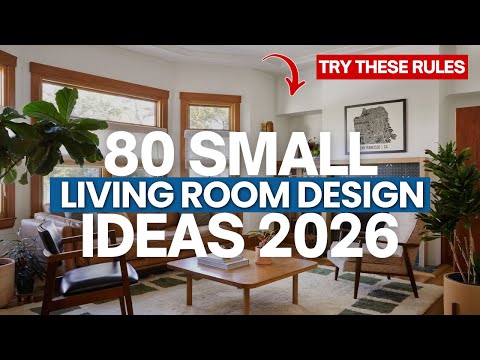
Stepping into a tiny living room can feel overwhelming, but decorating a small space living room is actually one of the most rewarding design challenges you can tackle. When square footage is limited, every design choice matters even more, transforming a cramped corner into a cozy, functional retreat. The key isn’t about cramming as much as possible into the room; it is about intentional living, strategic planning, and leveraging smart design principles that make the most of what you have.
Why Decorating a Small Living Room Requires a Different Mindset
When you work with limited square footage, interior design becomes a delicate balancing act. Decorating a small space living room isn’t just about making things look good; it is about creating an environment that feels open, breathable, and highly functional. A common mistake is treating a small living room like a large one simply on a reduced scale, leading to clutter and discomfort. Instead, embrace the philosophy of “less is more” while still incorporating your personal aesthetic. The goal is to eliminate visual noise and ensure that every piece of furniture serves a purpose or brings you genuine joy. By shifting your mindset from “filling the room” to “curating the room,” you unlock the potential for a beautifully harmonious environment. Always prioritize movement and leave enough space between furniture pieces for comfortable traffic flow; blocked pathways instantly make a room feel chaotic and confined.
Understanding Your Room’s Focal Points
Every room has natural focal points, and small spaces are no exception. Before buying any small living room ideas, walk into the room and identify what naturally draws the eye. Is it the fireplace? The large window? Or perhaps the architectural details? Once identified, arrange your seating and decor to highlight it. In a small living room, having a clear focal point prevents furniture from being scattered aimlessly. When everything points toward a central feature, the room instantly feels more organized and intentional. This foundational step ensures that your decorating a small space living room efforts are grounded in structural logic rather than random placement. Without a focal point, the eye wanders aimlessly, creating a subconscious feeling of disorder. By anchoring the room around a single, clear focal point, you give the space direction and purpose.
Choosing and Arranging Compact Furniture Layouts
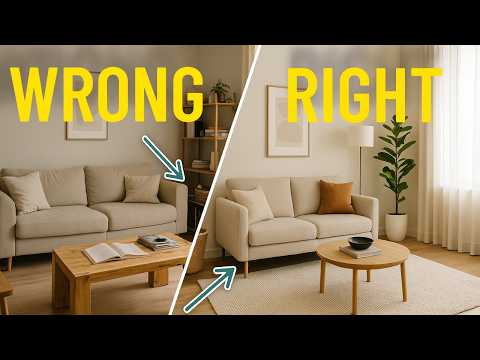
The furniture you select acts as the skeleton of your small living room. Choosing the wrong pieces can make the space feel like a traffic jam, while the right selections create an elegant, open flow. When decorating a small space living room, prioritize pieces that offer dual functionality or lift off the floor. Opt for a slim-profile sofa and nesting tables that tuck away when not in use. The goal is to free up as much floor space as possible, as open floor space is what makes a room feel expansive. Look for sofas with exposed legs, which allow the eye to see the floor beneath the furniture, creating an illusion of more space.
Top Furniture Picks for Tiny Living Rooms
- Armless Chairs: They take up less visual and physical space, allowing the eye to travel freely across the room.
- Lift-Top Coffee Tables: These serve as both a surface for dining or working and a hidden storage compartment, maximizing utility.
- Wall-Mounted Desks: If you work from home, mounting your desk on the wall instantly clears floor space when the workday is done.
- Slim-Arm Sectionals: Provides the same seating capacity as a traditional sofa but with a significantly smaller footprint, ideal for tight layouts.
Arranging the Furniture Strategically
How you place your furniture dictates the flow of the room. When arranging furniture in a small living room, avoid pushing all pieces against the walls. Floating furniture slightly away from the walls—about three to four inches—can actually make a room feel larger. It creates a subtle channel of space around the perimeter that tricks the eye into perceiving a more expansive area. Use area rugs to define distinct zones without physical walls, enhancing the flow of your compact furniture layout. Keep sightlines open from the entry point to the back of the room, ensuring the space never feels like a bottleneck.
Leveraging Color and Light to Expand Perception
Color psychology and lighting play monumental roles in how large or small a room feels. When decorating a small space living room, palette choices can either shrink a room or make it appear boundless. Lighting must be layered to eliminate dark, stagnant corners that make spaces feel cramped.
The Best Color Schemes for Small Living Rooms
Light, neutral tones are your best friend when working with a tiny living room design. Colors like soft whites, warm beiges, and pale greys reflect light rather than absorbing it, making walls appear to recede. Introduce color through accessories, throw pillows, and artwork. If you want to use a bold color, apply it to a single accent wall rather than all four walls. This creates depth and visual interest without overwhelming the senses.
| Color Strategy | Impact on Small Spaces | Best Use Case |
| Monochromatic Light Tones | Blurs boundaries, makes walls recede | Rooms with low natural light |
| Contrasting Accent Wall | Creates depth and a focal point | Rooms with ample natural light |
| Dark, Moody Tones | Can feel intimate but shrinks space | Large small rooms (high ceilings) |
Layered Lighting Solutions

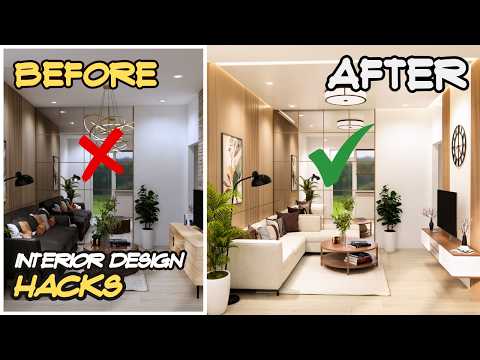
A single overhead light fixture is the enemy of a cozy small living room design. It casts harsh shadows and creates flat, uninteresting spaces that lack dimension. To make a small living room look bigger, embrace layered lighting. Use floor lamps in corners to pull the eye upward, table lamps on side tables to create warm pools of light, and LED strip lights behind furniture to add ambient glow. By layering your light sources, you eliminate dark voids and visually expand the room’s boundaries. Maximize your natural light by avoiding heavy, dark curtains; opt for sheer, lightweight drapes that filter the sunlight while maintaining privacy.
Advanced Storage and Decor Techniques
Once you have the layout and colors sorted, it is time to tackle the decor and storage. You need advanced strategies to keep your belongings out of sight while still displaying the items that bring you joy. The key to successful decorating a small space living room is to treat storage as a design element, not an afterthought.
Vertical Storage Solutions
When floor space is scarce, you must look up. Vertical storage is a game-changer for organizing a small living room without sacrificing square footage. Install floating shelves above your sofa or television to display books, plants, and framed photos without eating up precious floor real estate. Tall, narrow bookcases are another excellent choice; they utilize the full height of the room while maintaining a slim profile. Mounting your TV on the wall frees up visual space and modernizes the room.
Using Mirrors and Art
Mirrors are the most powerful tool you have for making a small room feel larger. Placing a large mirror directly across from a window reflects natural light and the outdoors, essentially doubling the perceived depth of the room. When it comes to artwork, fewer, larger pieces are better than a gallery wall of many small ones. A single, statement piece on the main wall draws the eye and anchors the room, whereas a cluttered gallery wall competes for attention and makes the space feel busy. Choose art that speaks to you, but be ruthless about the quantity.
Bringing It All Together: Your Action Plan
Decorating a small space living room is ultimately about making intentional choices that serve both your aesthetic desires and practical needs. By focusing on smart layouts, lighting, and vertical storage, you can transform a modest living room into a stylish, functional haven. Start with one change—perhaps clearing the floor or repainting an accent wall—and build from there. Small space design is an iterative process, and every adjustment brings you closer to the living room you have always wanted.
Frequently Asked Questions About Small Living Room Design
How do you decorate a small living room without making it look cluttered? To keep a small living room looking uncluttered, focus on negative space and multi-functional furniture. Avoid placing too many small decor items on surfaces; instead, group items in odd numbers or choose a few high-impact statement pieces. Keep surfaces clear and use hidden storage solutions like ottomans with interior compartments to stash away everyday items. The less visual noise you have, the more spacious your room will feel.
What are the best furniture pieces for a small living room? The best furniture pieces are those with exposed legs, slim profiles, and dual purposes. Armless chairs, nesting tables, and lift-top coffee tables are top contenders. Furniture pieces that allow you to see the floor underneath them reduce the visual weight of the room, making it feel significantly more spacious than heavy, legged-down furniture that blocks the floor line.
How can I make my small living room look bigger? You can make a small living room look bigger by using large-scale art instead of a gallery wall, placing a large mirror opposite a window to reflect light, and keeping the color palette light and cohesive. Avoid pushing furniture against the walls; floating it slightly can create a perception of depth and flow. Ensure your lighting is layered and abundant to eliminate dark corners that shrink the perceived size of the room.
What color schemes work best for decorating a small space living room? Light, reflective color schemes work best. Soft whites, warm creams, and light greys bounce natural light around the room, making it feel airy. If you want to add color, use it sparingly through textiles or a single accent wall. Avoid stark white if you want warmth; opt for off-whites or pastels that still reflect light but feel inviting and comfortable.
How do you arrange furniture in a small living room? When arranging furniture in a small living room, create conversation areas that are functional but not oversized. Float furniture away from the walls to create a subtle perimeter of space, and use area rugs to define zones. Ensure there are clear pathways for traffic flow, keeping major walkways at least 30 inches wide so the room never feels like a bottleneck. Keeping sightlines open from the entry point to the back of the room is crucial for maintaining an expansive feel.