


If you’re serious about woodworking, you know that every great project starts with a solid foundation — and that foundation is your workbench. Bench woodworking plans are more than just blueprints; they’re the roadmap to building a workspace that will serve you faithfully for decades. Whether you’re a complete beginner looking for simple woodworking bench plans or an experienced craftsman seeking advanced DIY woodworking bench designs, having the right plan in hand can mean the difference between a sturdy, functional workspace and a wobbly disappointment. In this comprehensive guide, we’ll explore everything you need to know about selecting, building, and perfecting your ideal workbench, covering beginner-friendly approaches all the way through expert-level techniques.
What Are Bench Woodworking Plans?
Bench woodworking plans refer to detailed design documents — often including measurements, material lists, cut lists, assembly diagrams, and step-by-step instructions — that guide you through the construction of a woodworking workbench. These plans come in many forms, from free garage workbench plans found online to professionally crafted workbench plans PDF downloads sold by established woodworkers. A well-designed bench plan accounts for your workspace dimensions, intended use, preferred joinery methods, and even the type of wood or plywood you’ll be using.
Understanding what makes a quality plan is essential. A great set of woodworking workbench blueprints doesn’t just tell you what to cut — it teaches you why certain design choices matter, how weight distribution affects stability, and how to adapt the design to your specific needs.
Why Bench Woodworking Plans Matter for Every Skill Level
Your workbench is the single most important piece of furniture in your shop. It supports every task — from hand-planing to assembly to finishing. Without a thoughtful approach to designing and building it, you risk creating a bench that lacks rigidity, has poor working height, or simply won’t accommodate your projects. Here’s why having structured bench plans for beginners and beyond is so critical:
- Precision and accuracy: Good plans provide exact measurements that eliminate guesswork, ensuring your bench is square, flat, and durable.
- Material efficiency: A detailed cut list minimizes waste and helps you budget accurately before purchasing lumber.
- Structural integrity: Proper plans account for joint strength, shelf load capacity, and overall rigidity.
- Customization: With a solid plan as your base, you can adapt dimensions, add storage, or incorporate specialized features like a woodworking vise or dog holes.
- Confidence: Following proven plans reduces frustration and keeps your project on track from start to finish.
Types of Bench Woodworking Plans by Skill Level
Beginner Bench Woodworking Plans
For those just starting out, beginner-level DIY woodworking bench plans focus on simplicity, affordability, and forgiving construction methods. These plans typically use basic joinery — butt joints, lag bolts, and wood screws — and avoid complex curves or advanced techniques. A classic beginner workbench might measure around 5 feet long by 2 feet deep, built from construction-grade pine or 2×4 lumber and plywood.
Key characteristics of beginner woodworking bench plans include:
- Simple assembly requiring only basic tools like a drill, circular saw, and square
- Forgiving tolerances that accommodate slightly imprecise cuts
- Clear, numbered steps with photographic guidance
- Minimal material lists, usually under $100 in lumber and hardware
- Sturdy enough to handle light to moderate woodworking tasks
Many beginners start with a garage workbench plans design that doubles as a utility surface, which keeps costs down while still providing genuine functionality.
Intermediate Bench Woodworking Plans
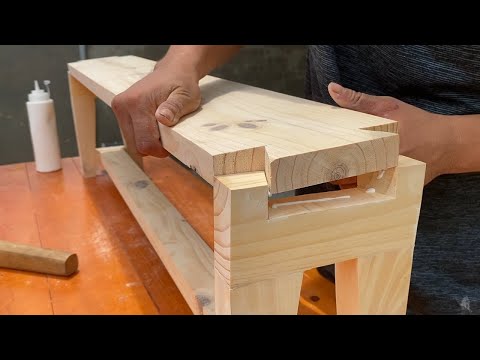
Once you’ve built your first workbench and gained confidence, intermediate plans open up new possibilities. These workbench plans introduce stronger joinery methods like mortise-and-tenon joints, dado joints, and through-wedged connections. You’ll also encounter more refined dimensions, face-jointing considerations, and integrated features such as built-in storage drawers, lower shelving, or a dedicated front vise.
Intermediate plans often call for hardwood lumber like maple, birch, or poplar, and they typically result in a workbench measuring 6 to 8 feet long with a thicker desktop — often 3 inches or more. These woodworking workbench blueprints demand more precise cutting and assembly but reward you with a bench that feels professional-grade and handles heavy work.
Advanced Bench Woodworking Plans
Advanced bench woodworking plans are works of art in their own right. These designs feature traditional European-style construction, Scandinavian workbench concepts, or custom Roubo-inspired stations. You’ll work with premium hardwoods, incorporate elaborate holdfast systems, chopping blocks, and shoulder vises, and achieve a level of craftsmanship that becomes a centerpiece of your shop.
Advanced plans may also include hybrid constructions — combining a solid wood top on a steel or plywood base — to balance weight, cost, and rigidity. Building from advanced plans typically requires table saw proficiency, hand-plane skills, and a thorough understanding of wood movement and glue-up techniques.
Key Components of Quality Bench Woodworking Plans
Not all plans are created equal. When evaluating bench plans for beginners or advanced designs, look for these essential elements that separate a great plan from a mediocre one:
- Accurate cut lists: Every piece should be listed with precise dimensions and quantities.
- Exploded assembly diagrams: Visual breakdowns showing how components fit together at each stage.
- Material specifications: Guidance on wood species, thickness, and grade appropriate for each component.
- Joinery details: Clear illustrations of how joints should be cut, glued, and clamped.
- Tool requirements: A list of necessary tools so you can prepare before starting.
- Modification notes: Tips on how to adjust the design for different workshop sizes or purposes.
Comparison: Free vs Paid Bench Woodworking Plans
One common question woodworkers face is whether to use free woodworking bench plans or invest in premium paid designs. Here’s a detailed comparison to help you decide:
| Feature | Free Plans | Paid Plans |
| Cost | $0 | $10–$50+ |
| Detail Level | Often basic, may lack diagrams | Comprehensive with photos and measurements |
| Support | Community forums only | Direct author support or email help |
| Accuracy | Variable; may contain errors | Professionally edited and tested |
| Customization Guidance | Limited | Often includes adaptation tips |
| Best For | First-time builders, simple benches | Intermediate to advanced projects |
Our recommendation? Start with a well-reviewed free set of bench woodworking plans for your first build. Once you’ve proven the concept and want something more refined, invest in a premium plan that matches your evolving skills.
Expert Tips for Choosing and Executing Bench Woodworking Plans
Building a workbench is one of the most rewarding projects in woodworking, but it demands careful planning. Here are expert tips to ensure success:
- Measure your shop space first. Before selecting any workbench plans, confirm your available floor space, ceiling height, and door clearance. A bench that doesn’t fit your workshop is a costly mistake.
- Prioritize flatness and squareness. Your bench top must be flat. Use a straightedge and winding sticks to verify during glue-up. A rocking bench ruins every project you place on it.
- Build heavy, then add mobility. A workbench should weigh at least 200–300 pounds for stability. Add locking casters afterward if you need to move it.
- Don’t skip the vise. A front vise and bench dog system transform your bench into a genuine workholding station. Plan these into your woodworking bench plans from the start.
- Use waterproof glue. Your bench will endure spills, humidity, and temperature changes. Titebond III or equivalent waterproof adhesive ensures joint longevity.
- Finish the top with a hard-wearing surface. A paste wax or oil finish on the desktop reduces friction and protects against glue squeeze-out and stain.
- Clamp, check, and re-clamp. During assembly, constantly check for squareness and flatness. Adjust before the glue sets — never after.
Common Mistakes to Avoid When Following Bench Woodworking Plans
Even experienced woodworkers stumble through these common pitfalls when executing DIY woodworking bench projects:
- Ignoring wood movement: Wood expands and contracts seasonally. Build your bench to allow for this rather than fighting it with excessive fastening.
- Overcomplicating the design: Many beginners choose overly ambitious plans, leading to frustration. Start simple and build complexity over time.
- Using undersized lumber: A workbench top made from 1x material will flex under moderate pressure. Aim for at least 3-inch thick tops for serious work.
- Skipping the reference surface: Before assembling, face-joint and plane your stock to establish one perfectly flat reference face and edge.
- Rushing the glue-up: A rushed glue-up leads to gaps, misalignment, and frustration. Take your time, organize your clamps, and work methodically.
Conclusion

Bench woodworking plans are your gateway to building a workshop cornerstone that will elevate every project you undertake. From simple beginner designs using basic lumber to advanced masterwork benches featuring traditional joinery and custom workholding systems, the right plan meets you where you are and grows with your skills. Take the time to choose plans that match your current ability, include clear instructions, and account for your specific workshop needs. Invest in quality materials, follow the measurements precisely, and never rush critical assembly steps. The workbench you build today will be the bench you return to for every project for years to come — make it count. Start exploring woodworking bench plans today, and lay the foundation for your best work yet.
Frequently Asked Questions (FAQs)
What are the best bench woodworking plans for beginners?
The best bench woodworking plans for beginners are those that use simple butt joints and common lumber like 2x4s and plywood, feature clear step-by-step instructions with photos, and require only basic tools. Look for plans with a cut list and exploded diagrams. Many free woodworking bench plans available online meet these criteria perfectly and can be completed in a single weekend.
How thick should a workbench top be according to woodworking bench plans?
For most DIY woodworking bench projects, a workbench top should be at least 2 inches thick for light use and 3 inches thick for serious woodworking. Heavy-duty tasks like hand-planing and chopping require even thicker tops — 4 inches or more. The thickness directly affects rigidity and the bench’s ability to withstand clamping forces.
Can I build a workbench from plywood using bench woodworking plans?
Yes, many garage workbench plans specifically incorporate plywood tops, often 3/4-inch or 1-inch sheets laminated together for thickness. While plywood tops lack the natural beauty of solid wood, they are affordable, stable, and highly functional. You can add a hardwood butcher block or laminate surface to the plywood base for a premium working surface.
What wood species are recommended for woodworking workbench blueprints?
For the bench top, hard maple, white oak, and European beech are top choices due to their hardness and resistance to denting. For the base and legs, construction-grade pine, poplar, or birch plywood work well and keep costs manageable. Premium woodworking workbench blueprints often specify Douglas fir or white ash for their balance of strength, workability, and availability.
How long does it take to build a workbench from bench woodworking plans?
A basic beginner bench plan can typically be completed in 4 to 8 hours for someone with moderate tool familiarity. Intermediate builds requiring more precise joinery may take a full weekend of 12 to 16 hours. Advanced plans with custom vises, hardwood construction, and meticulous finishing can require 30 to 40+ hours spread over several weeks.
Are free woodworking bench plans reliable enough to use?
Many free woodworking bench plans are reliable, especially those published by well-known woodworking blogs, magazines, or experienced craftsmen. However, always verify measurements against your own workshop requirements, cross-check joint details, and read user comments for corrections or updates. Paid plans from established sources generally offer higher reliability with professional editing and support.