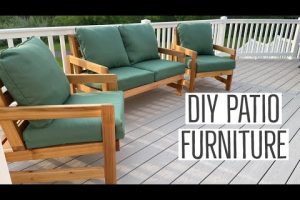
When it comes to transforming your outdoor space into a luxurious retreat, designer patio furniture is the ultimate investment. Unlike mass-produced garden sets that look dated within a season, designer outdoor pieces combine architectural precision, premium materials, and curated aesthetics to elevate your backyard, rooftop terrace, or poolside into a space worthy of magazine covers. Whether you are a first-time buyer exploring the world of high-end outdoor living or a seasoned homeowner looking to refresh your alfresco setup, understanding what makes designer patio furniture worth the price tag is essential. This comprehensive guide breaks down everything from material choices and design trends to expert buying strategies that ensure your outdoor furniture delivers both beauty and lasting performance.
What Is Designer Patio Furniture?
Designer patio furniture refers to outdoor seating, dining, lounging, and shade collections crafted by established brands or independent designers who prioritize form, function, and material integrity. These pieces are not your big-box store finds. They are built with architectural intention, often featuring clean lines, proprietary engineering, and finishes that withstand UV exposure, moisture, and temperature fluctuations far better than conventional alternatives.
What Sets Designer Pieces Apart from Regular Outdoor Furniture?
The distinction comes down to several critical factors that directly impact longevity and visual appeal:
- Material quality: Designer brands source marine-grade stainless steel, solid teak, powder-coated aluminum, and high-performance textiles that regular manufacturers often skip to cut costs.
- Ergonomic design: Every chair, chaise, and dining table is engineered for comfort over extended periods, with attention to seat depth, armrest positioning, and lumbar support.
- Limited production runs: Many designer collections are produced in limited batches, giving owners exclusivity and a more curated outdoor aesthetic.
- Warranty and craftsmanship: Premium warranties — often ranging from 5 to 25 years — signal confidence in construction quality that mass-market brands rarely match.
Key Materials Used in Designer Patio Furniture
Understanding materials is the fastest way to become a confident buyer. Each option carries distinct advantages depending on your climate, maintenance willingness, and design preferences.
Wicker and Rattan
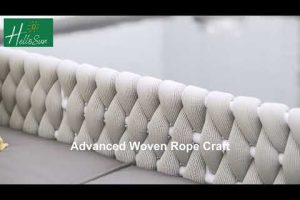
Traditional rattan is a natural vine prized for its flexibility and organic warmth, but modern designer brands increasingly favor synthetic alternatives. High-resolution PE (polyethylene) wicker mimics the texture of natural rattan while resisting fading, mold, and moisture damage. Brands like Fermob and Loll Designs have popularized all-weather wicker that looks indistinguishable from the real thing but lasts dramatically longer outdoors.
Teak and Hardwood
Grade-A teak remains the gold standard for hardwood patio furniture. Its natural oil content provides inherent resistance to rot, insects, and water absorption. Designer teak pieces develop a gorgeous silver-gray patina over time unless regularly oiled. Other premium hardwoods like ipe (Brazilian walnut) and acacia offer comparable durability with slightly different grain patterns and color tones.

Powder-Coated Aluminum and Stainless Steel
For sleek, contemporary silhouettes, powder-coated aluminum dominates the designer outdoor furniture market. It is lightweight, rust-resistant, and available in virtually any color finish. Marine-grade 316 stainless steel takes corrosion resistance even further, making it ideal for coastal environments where salt air would degrade lesser metals within months.
High-Density Polyethylene (HDPE) Wicker
HDPE wicker is a recycled plastic material engineered specifically for outdoor durability. It resists staining from food and beverages, requires zero maintenance, and is increasingly popular in eco-conscious outdoor design circles.
Top Design Styles for Modern Patios
The aesthetic direction of your outdoor space should reflect your personal taste and the architectural language of your home. Here are the most influential design styles shaping designer patio furniture trends right now.
Mid-Century Modern Patio Sets
Inspired by 1950s and 1960s Danish and Scandinavian design, mid-century modern outdoor furniture features tapered legs, organic curves, and warm wood tones. Brands like Herman Miller and Vondom have translated iconic indoor chair designs into outdoor-ready versions using UV-stabilized polycarbonate and powder-coated steel frames.
Coastal and Mediterranean Influences
Light-washed teak, rope-wrapped accents, and soft neutral tones define this relaxed style. Think white linen sling chairs paired with weathered wood dining tables and woven throw pillows in sandy or ocean-blue hues. This style works exceptionally well for beachfront properties and Mediterranean-style homes.

Minimalist and Contemporary Outdoor Living
Clean geometric shapes, monochromatic palettes, and modular configurations characterize the minimalist approach. Brands like Muuto and Marset produce outdoor collections where every element serves a purpose, and visual clutter is eliminated through intelligent spatial design.
How to Choose the Right Designer Patio Furniture
Selecting the perfect set requires balancing several variables that go far beyond visual preference.
Assessing Your Space and Layout
Before purchasing, measure your patio or deck dimensions carefully. Consider traffic flow, the position of your grill or fire pit, and sight lines toward garden features or water elements. Modular systems offer the most flexibility for adapting to oddly shaped or multi-level outdoor areas.
Climate Considerations
Your local weather patterns should heavily influence material selection:
- Humid, rainy climates: Choose powder-coated aluminum, HDPE wicker, or marine-grade stainless steel to prevent rust and mold growth.
- Arid, sunny environments: Teak and UV-stabilized synthetic materials hold up best against intense sun exposure without fading or becoming brittle.
- Cold, freeze-thaw regions: Avoid materials that absorb water, as freeze cycles can cause cracking. All-weather wicker and sealed hardwoods perform reliably.
Budget Planning
Designer patio furniture spans a wide price range. Entry-level designer pieces start around $1,500 for a single lounge chair, while fully curated dining and lounging sets from top-tier brands can reach $15,000 or more. The smart approach is to invest in anchor pieces — such as a quality dining set or a signature lounge chair — and build outward with complementary accessories like outdoor rugs, planters, and lighting.
Comparison: Designer Patio Furniture Materials at a Glance
| Material | Durability | Maintenance | Best For | Price Range |
| Grade-A Teak | 20-30 years untreated | Low (annual oiling optional) | Classic, warm aesthetics | High |
| Powder-Coated Aluminum | 10-20 years | Very low (wipe clean) | Modern, colorful palettes | Mid to High |
| All-Weather PE Wicker | 8-15 years | Very low (hose down) | Coastal, resort-style spaces | Mid |
| Marine-Grade Stainless Steel | 20+ years | Very low | Coastal and poolside areas | Very High |
| HDPE Wicker | 10-15 years | Virtually zero | Eco-conscious buyers, families | Mid |
| Ipe Hardwood | 25+ years | Low (sealing recommended) | Durable, rich-tone designs | High |
Expert Tips for Maximizing Your Outdoor Investment
Even the finest designer patio furniture will degrade prematurely without proper care and strategic placement. Follow these expert recommendations to protect your investment:
- Use furniture covers year-round: Even UV-resistant materials benefit from protective covers during prolonged periods of non-use. Breathable fabric covers prevent moisture buildup that leads to mildew.
- Anchor pieces in windy areas: Lightweight aluminum and wicker sets should be weighted or strapped down in exposed locations to prevent tipping or displacement during storms.
- Rotate cushions seasonally: Regularly flipping and rotating outdoor cushions distributes sun exposure evenly and extends their lifespan by up to 40 percent.
- Invest in outdoor-specific textiles: Standard indoor fabrics deteriorate rapidly in UV and rain. Look for solution-dyed acrylics like Sunbrella or Dickson fabrics that resist fading, moisture, and mold.
- Layer your outdoor lighting: Designer furniture looks even more striking when paired with ambient lighting — consider string lights, lanterns, or recessed deck fixtures to extend usable hours into the evening.
Conclusion
Designer patio furniture represents more than an outdoor purchase — it is an investment in your quality of life, your property’s curb appeal, and the way you experience your home. From selecting the right materials for your climate to choosing a design style that complements your architecture, every decision matters. The pieces that stand out in outdoor living are those chosen with intention, maintained with consistency, and enjoyed year after year. Whether you are outfitting a compact city balcony or sprawling backyard oasis, the right designer set transforms ordinary outdoor space into an extraordinary extension of your home.
Frequently Asked Questions
What is the most durable material for designer patio furniture in coastal areas? Marine-grade 316 stainless steel and powder-coated aluminum are the most corrosion-resistant options for coastal environments where salt air accelerates oxidation. These materials require minimal upkeep and maintain their structural integrity for decades.
Is designer patio furniture worth the extra cost compared to regular outdoor sets? Absolutely. Designer pieces typically last two to three times longer than mass-market alternatives, feature superior ergonomic comfort, and retain resale value. When amortized over a 15- to 20-year lifespan, the cost-per-year of ownership is often lower than replacing cheaper furniture every three to five years.
Can designer patio furniture be used year-round in freezing climates? Many designer collections are rated for year-round use, but best practice is to store cushions indoors during freezing months and cover frames during heavy snowfall. Teak, powder-coated aluminum, and HDPE wicker handle freeze-thaw cycles exceptionally well, while fabric elements should always be protected from moisture and ice.
What are the current trending colors for designer outdoor furniture in 2025? Earthy, warm neutrals dominate the current trend, including olive green, terracotta, warm sand, and deep charcoal. Accent colors like burnt orange, ocean teal, and sage are popular for cushions and textiles. Matte black powder-coated frames remain a timeless neutral that pairs well with virtually any palette.
How do I know if a brand is truly considered “designer” in outdoor furniture? Look for brands with a recognized design heritage, architectural collaborations, or editorial features in publications like Architectural Digest or Dwell. Designer brands typically offer limited production, signature aesthetics, and comprehensive warranty programs that standard retailers do not provide.