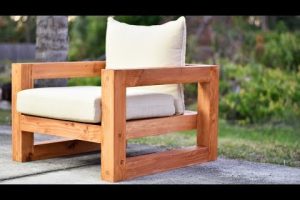
Covered outdoor living spaces have transformed the way homeowners think about their properties, turning once underutilized patios and decks into fully functional extensions of the home. Whether you are looking to create an alfresco dining area, a relaxing lounge zone, or an outdoor entertainment hub, investing in a covered structure can dramatically elevate your lifestyle and your property’s market appeal. This comprehensive guide explores everything you need to know about covered outdoor living spaces, from the best types and materials to design strategies, cost considerations, and expert tips that help you make the most of every square foot outdoors.
What Are Covered Outdoor Living Spaces?
Covered outdoor living spaces refer to any exterior area of a home that is protected by a roof or overhead structure, allowing you to enjoy the outdoors comfortably regardless of weather conditions. Unlike an open patio or deck, a covered space shields you from direct sunlight, rain, wind, and debris while still preserving that essential connection to nature. These areas can range from a simple pergola over a seating area to a fully enclosed, climate-controlled room that seamlessly blends indoor and outdoor living.
The concept has surged in popularity because modern homeowners increasingly value outdoor usability. A well-designed covered patio or deck can serve as a year-round room for dining, relaxing, working remotely, or hosting gatherings. It effectively expands your home’s square footage without the expense of adding an interior room or building an addition.
Types of Covered Outdoor Living Spaces
There are several distinct styles of covered outdoor structures, each offering unique benefits and aesthetic qualities. Choosing the right type depends on your climate, budget, architectural style, and how you plan to use the space.
Pergolas
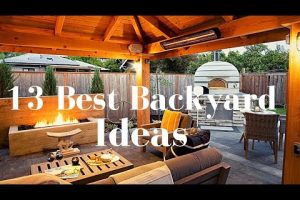
A pergola is one of the most popular covered outdoor structures, featuring vertical posts or pillars that support an open lattice or crossbeam roof. While a traditional pergola does not provide full rain protection, modern versions often incorporate retractable canopies, shade sails, or even glass panels to offer weather resistance. Pergolas work beautifully over dining areas, fire pits, and garden pathways. They are relatively affordable and add a timeless, elegant look to any backyard.
Patios with Retractable Roofs
Retractable roof systems are a premium option that gives you the flexibility to open or close the roof depending on the weather. These motorized or manually operated structures allow you to enjoy sunshine when it is pleasant and stay protected during sudden showers. Retractable roof patios are especially popular in regions with unpredictable climates and are often constructed using aluminum, steel, or wood framing with glass or polycarbonate panels.
Screen Enclosures
Also known as screened porches, these covered spaces use mesh screens to keep out insects, debris, and wind while still allowing airflow and natural light. Screen enclosures are ideal for homeowners in humid or bug-prone climates who want to enjoy the outdoors without pest interference. They can be built as standalone structures or attached to the side of the house.
Covered Decks and Porticos
A covered deck extends an existing second-story deck with a roof extension, while a portico is a small, covered entrance area typically supported by columns. Both options add functional outdoor space directly off your home and create a smooth transition between indoor and outdoor living areas.
Benefits of Covered Outdoor Living Spaces
Investing in a covered outdoor structure delivers tangible and intangible rewards that go far beyond aesthetics.
Weather Protection and Year-Round Usability
The most obvious advantage is protection from the elements. A solid roof keeps rain off your furniture and flooring, reduces UV exposure, and blocks wind that would otherwise make outdoor seating uncomfortable. With the right materials, you can use your covered space in every season, from spring brunch gatherings to winter evening stargazing sessions.
Increased Property Value

Real estate data consistently shows that outdoor living spaces boost a home’s resale value. According to the National Association of Realtors, outdoor improvements like covered patios and decks frequently rank among the top return-on-investment home projects. Buyers are drawn to homes that offer a seamless indoor-outdoor lifestyle, and a beautifully designed covered space signals move-in readiness.
Enhanced Lifestyle and Well-Being
Beyond financial returns, covered outdoor spaces improve quality of life. They provide a dedicated spot for reading, yoga, socializing, or simply enjoying fresh air. The psychological benefits of spending time outdoors are well-documented, and having a sheltered area makes it easier to spend more time outside on a regular basis.
Roofing Materials Comparison
Selecting the right roofing material is one of the most important decisions when building a covered outdoor space. Each option has different durability, cost, and aesthetic qualities.
| Material | Durability | Cost Range | Best For |
| Corrugated Metal | High (30-50 years) | Moderate | Modern and industrial designs |
| Polycarbonate Panels | High (10-20 years) | Low to Moderate | Budget-friendly, light transmission |
| Wood Shingles | Moderate (15-25 years) | High | Traditional and rustic aesthetics |
| Concrete Tile | Very High (50+ years) | High | Mediterranean and Spanish-style homes |
| Glass Panels | High (20+ years) | Very High | Luxury retractable roof systems |
| Thatch/Thatched Rattan | Moderate (5-10 years) | Low to Moderate | Tropical and resort-style designs |
Design Tips for Maximizing Your Covered Outdoor Space

A covered structure is only as good as the design around it. Here are expert strategies to make your outdoor living area truly exceptional:
- Plan for ventilation. Even with a roof, airflow is critical. Open-sided designs, ceiling fans, or strategically placed cross-ventilation openings prevent heat buildup and humidity stagnation.
- Integrate outdoor lighting. String lights, recessed LED fixtures, and lantern-style sconces transform a covered patio into an inviting evening space.
- Choose weather-resistant furnishings. Invest in outdoor-rated cushions, fabrics, and furniture made from aluminum, teak, or wrought iron that withstands rain, sun, and temperature swings.
- Add a fire feature. A fire pit, gas fireplace, or outdoor heater extends the usability of your covered space into cooler months.
- Incorporate outdoor flooring. Composite decking, natural stone pavers, or interlocking tiles create a polished look and protect the ground beneath from wear and moisture.
- Blend indoor and outdoor aesthetics. Use complementary color palettes, materials, and textures so the covered space feels like a natural continuation of your home’s interior design.
Budget Considerations and Cost Breakdown
The cost of building a covered outdoor living space varies widely based on size, materials, and complexity. Here is a general cost overview to help you plan:
- Basic pergola (wood): $1,500 to $5,000 for a small to medium structure
- Polycarbonate patio cover: $3,000 to $8,000 depending on size and finish
- Retractable roof system: $10,000 to $30,000+ for a mid-sized installation
- Screen enclosure: $4,000 to $15,000 depending on materials and square footage
- Custom covered deck addition: $15,000 to $50,000+ with full finishing
Keep in mind that labor costs, permits, and site preparation can add 20 to 40 percent to your total project budget. Always obtain at least three detailed quotes from licensed contractors and verify that the design complies with local building codes and homeowner association regulations.
Expert Recommendations for Long-Term Satisfaction
Professional landscapers and outdoor design specialists emphasize a few key principles. First, always prioritize structural integrity over aesthetics — a beautiful pergola is worthless if it cannot handle wind loads or heavy snowfall in your area. Second, consider drainage carefully; poor water management can lead to rot, mold, and foundation issues. Third, think about maintenance from day one. Choose materials that align with your willingness to perform upkeep, whether that means staining wood annually or simply rinsing metal frames seasonally.
Frequently Asked Questions
What is the best material for a covered outdoor living space roof?
The best material depends on your climate and design goals. Metal roofing offers excellent durability and a sleek modern look. Polycarbonate panels are affordable and let in natural light, making them ideal for budget-conscious projects. Glass panels provide a premium, open-air feel but come at a higher cost. Wood shingles suit traditional or rustic aesthetics but require more maintenance over time.
Do covered patios add value to a home?
Yes. Covered patios consistently rank as one of the top outdoor features that increase a home’s resale value. Real estate appraisers and agents frequently note that buyers are willing to pay a premium for homes with well-appointed outdoor living spaces, particularly in regions where outdoor entertaining is a lifestyle priority.
Can I convert an existing uncovered deck into a covered space?
Absolutely. Many homeowners retrofit their existing decks with pergola frames, retractable roof systems, or canopy structures. The feasibility depends on the deck’s current structural capacity, local zoning laws, and whether you want a freestanding or attached roof. Consulting a structural engineer ensures the existing frame can support the additional load.
How do I keep a covered outdoor space comfortable in hot weather?
Install a ceiling fan or portable outdoor fan to promote air circulation. Choose a light-colored roofing material that reflects rather than absorbs heat. Add shade sails or retractable canopies for additional sun protection, and consider misting systems or evaporative coolers for hot, arid climates.
What permits are required for building a covered outdoor structure?
Permit requirements vary by municipality and the size of the structure. Most communities require a building permit for any permanent covered addition, especially if it involves electrical work or affects the home’s structural footprint. Always check with your local building department before starting construction to avoid costly fines or forced removals.
Conclusion
Covered outdoor living spaces represent one of the most impactful investments a homeowner can make in their property. They extend your living area, increase curb appeal and resale value, and provide a sanctuary where you can enjoy nature on your own terms. Whether you start with a simple pergola or commit to a fully enclosed, retractable-roof system, the key is thoughtful planning, quality materials, and a design that reflects how you actually want to live outdoors. With the right approach, your covered outdoor space will become the heart of your home — a place where family memories are made, friends gather, and everyday life feels a little more connected to the world outside your front door.