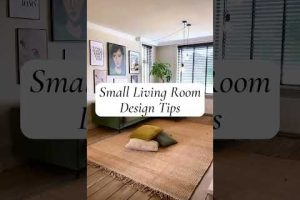
Finding the perfect living room furniture for small spaces is one of the most rewarding design challenges homeowners and renters face today. Whether you are furnishing a studio apartment, a compact city condo, or a cozy guest room that doubles as a lounge, the right pieces can transform a cramped area into a functional, stylish retreat. The good news is that modern furniture design has evolved dramatically, offering space-saving solutions that never sacrifice comfort or aesthetics. In this guide, we will walk you through the best furniture choices, layout strategies, and expert tips to help you make the most of every square foot in your small living room.
Why Small Living Rooms Demand Smart Furniture Choices
When square footage is limited, every piece of furniture must earn its place. Bulky, oversized sofas and towering entertainment units can quickly overwhelm a compact room, making it feel cluttered and suffocating. The key to successful small-space design lies in balancing scale, function, and visual lightness. Choosing the right apartment living room ideas means thinking about how each item contributes to both storage and open sightlines. A well-planned furniture arrangement for small living rooms creates the illusion of spaciousness while ensuring that daily life remains comfortable and organized.
Beyond aesthetics, the right furniture directly impacts how you use your space. Multifunctional pieces allow you to entertain guests, relax, work, and store belongings without needing a dedicated room for each activity. This practical approach to small-space living is why so many interior designers now prioritize intelligent, compact furniture solutions over traditional layouts that simply do not fit.
Best Furniture Pieces for Small Living Rooms
Compact Sofas and Loveseats
A small-scale sofa is the cornerstone of any living room for small apartments. Look for models that are approximately 65 to 80 inches wide rather than full-sized sectionals that can stretch beyond 100 inches. Armless designs and low-profile backs are especially effective because they preserve vertical and horizontal visual space, making the room feel more open. Consider a loveseat or a slim two-seater paired with a couple of accent chairs instead of one oversized couch.
Some excellent options include:
- Sleeper sofas that double as guest beds without consuming extra floor space
- Sofas with storage compartments hidden inside the arms or base
- Modular pieces that can be reconfigured as your needs change
- Lift-back chaise units that provide extra lounging room in a compact footprint
Nesting and Stackable Tables
Coffee tables are essential, but a traditional large table can dominate a small room. Nesting tables are a game-changer: they stack together when you need a single surface and separate when you want more room to move around. Stackable side tables follow the same principle and can be tucked against a wall or slid under a sofa when not in use.
For versatility, consider a lift-top coffee table that converts into a dining or work surface. These pieces typically feature hidden storage inside the tabletop, which adds functionality without adding visual bulk.
Wall-Mounted and Floating Units

Taking furniture off the floor is one of the most effective strategies for visually expanding a small living room. Wall-mounted shelves, floating TV consoles, and cantilevered desks free up floor area and draw the eye upward, creating a sense of height and airiness. A floating media console can replace a heavy entertainment center while still accommodating your television, streaming devices, and media storage.
Other wall-mounted options to explore:
- Pneumatic wall-mounted desks that fold down when needed and disappear when not in use
- Shelf brackets and floating ledges for displaying books, plants, and decor
- Wall-mounted folding desks that double as side tables
- Over-door organizers and hooks for additional storage without floor space
Ottomans and Poufs as Multipurpose Pieces
An ottoman is arguably the single most underrated piece of space-saving furniture. It functions as a footrest, extra seating, a coffee table (when paired with a tray), and even hidden storage. Storage ottomans are particularly valuable in small apartments where every inch of storage matters. Choose an ottoman with a removable lid and fill it with blankets, magazines, or remote controls to keep clutter out of sight.
Choosing the Right Scale and Proportions
One of the biggest mistakes people make when furnishing a small living room is buying pieces that are proportionally too large. Before purchasing anything, measure your room carefully and sketch a simple floor plan. Leave at least 30 to 36 inches of walking space between furniture pieces and walls. This clearance zone ensures easy movement and prevents the room from feeling cramped.
When selecting furniture, prioritize raised pieces with exposed legs. A sofa or coffee table with slender legs reveals more floor space beneath the furniture, which tricks the eye into perceiving the room as larger. Conversely, pieces that sit flat on the floor create a heavy, grounded appearance that can make a small space feel even more confined.
Furniture Arrangement Strategies for Compact Spaces
How you position your furniture matters just as much as which pieces you choose. Here are proven strategies for arranging living room furniture for small spaces:
- Anchor the room with one focal point: Arrange seating to face the television, fireplace, or largest window, keeping traffic lanes clear on at least two sides.
- Use the perimeter layout: Push larger pieces against the walls and place smaller accent furniture toward the center to open up the middle of the room.
- Create zones: In studio apartments, use a rug, a bookshelf, or a sofa back to visually separate the living area from the sleeping or dining zone.
- Go vertical: Hang curtains high and wide, place shelves above eye level, and use tall, narrow bookcases to maximize storage without widening the footprint.
- Keep sightlines open: Avoid blocking windows or doorways with furniture. Natural light is your best ally in making a small room feel spacious.
Material and Color Selection Tips
The materials and colors you choose for your small-space furniture directly affect how the room feels. Light-colored upholstery in soft tones like cream, light gray, or pale blue reflects natural light and creates an airy atmosphere. Low-contrast palettes help furniture blend into the background rather than visually competing for attention.
When it comes to materials, consider the following:
- Glass and lucite: Transparent furniture pieces like lucite coffee tables or acrylic chairs disappear into the room, preserving visual openness.
- Light wood finishes: Birch, maple, and ash furniture reads lighter than dark walnut or espresso tones.
- Breathable fabrics: Linen, cotton, and microsuede are lighter in weight and appearance than heavy brocade or velvet.
- Metallic accents: Brass, chrome, and brushed nickel legs and hardware add brightness without adding bulk.
Comparison: Furniture Options for Small Living Rooms
| Furniture Type | Best For | Space Efficiency | Price Range |
| Nesting Tables | Flexible surfaces, extra seating | Excellent — stackable and compact | $50 – $200 |
| Compact Sleeper Sofa | Daily seating + guest sleeping | Very Good — one piece, double function | $400 – $1,200 |
| Floating Media Console | TV storage without floor clutter | Excellent — wall-mounted | $80 – $400 |
| Storage Ottoman | Seating, footrest, hidden storage | Excellent — multipurpose | $40 – $150 |
| Wall-Mounted Drop-Leaf Desk | Workstation that disappears when unused | Exceptional — folds flat against wall | $60 – $300 |
| Loft Bed with Living Area Below | Studio apartments combining sleep and lounge | Exceptional — creates vertical zones | $500 – $1,500 |
Expert Tips to Maximize Small Living Room Furniture
Drawing from years of interior design experience, here are advanced tips that set professional-level small-space design apart from basic advice:
- Use mirrors strategically. Placing a large mirror opposite a window doubles the natural light and creates a convincing illusion of depth, making the room feel significantly larger.
- Choose furniture with exposed legs. This single change immediately lifts the visual weight of each piece and reveals more floor space.
- Invest in custom or modular pieces. Companies that offer customizable furniture can design a sofa or shelving unit that fits your exact dimensions, eliminating wasted gaps and awkward corners.
- Limit decor scale. In a small room, a single large statement piece (a big mirror or one bold artwork) reads better than a gallery wall cluttered with small frames.
- Prioritize quality over quantity. Three well-chosen, high-quality pieces will always outperform five mediocre ones in a small space. Curate rather than fill.
Frequently Asked Questions
What is the best sofa for a small living room?
The best sofa for a small living room is a compact sleeper loveseat measuring between 60 and 75 inches wide. Look for models with slim arms, exposed legs, and a washable slipcover. Brands like IKEA, Wayfair, and Article offer several options specifically designed for tight spaces that still provide comfortable seating and guest sleeping capability.
How do I make a small living room look bigger with furniture?
To visually expand a small living room, choose furniture with exposed legs, light colors, and transparent materials like glass or acrylic. Avoid pushing furniture against every wall; instead, float key pieces slightly away from surfaces to create implied depth. Use a single large area rug to unify the space and keep the scale of decor proportional to the room.
What furniture pieces are essential for a studio apartment living room?
Essential pieces for a studio apartment living room include a compact sofa or loveseat, a nesting or lift-top coffee table with storage, a wall-mounted TV console, and a multi-functional ottoman. Adding a slim bookshelf and a foldable desk completes the setup without overwhelming the limited square footage.
Should I buy furniture specifically designed for small spaces?
Yes, buying furniture specifically designed for small spaces is highly recommended. These pieces are engineered with compact dimensions, built-in storage, and multifunctional features that standard furniture lacks. However, the most important factor is measuring your room accurately and selecting pieces that match your specific dimensions rather than relying solely on small-space labels.
Can a small living room accommodate an entertainment center?
Absolutely. Instead of a traditional entertainment center, opt for a wall-mounted floating console or a slim media shelf. These alternatives provide the same storage and display capacity while keeping the floor clear. If you need additional storage, consider a vertical bookshelf unit or closed cabinets that hide equipment and cables from view.
Conclusion
Designing a small living room with the right furniture does not mean compromising on style or comfort. By selecting space-saving pieces, prioritizing multifunctionality, and arranging your layout with intention, you can create a living room that feels open, welcoming, and uniquely yours. From compact sofas and nesting tables to wall-mounted storage and breathable light palettes, every choice you make should serve both a practical and aesthetic purpose. Start with the essentials, measure your space carefully, and build outward from there. The result will be a small living room that proves square footage is never a limitation when you have the right furniture strategy in place.