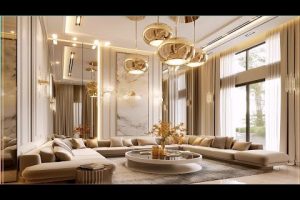
Living designs furniture has emerged as one of the most compelling movements in contemporary interior design, blending aesthetic beauty with functional intelligence in ways that transform everyday spaces. Unlike conventional furniture that prioritizes form alone or function exclusively, living designs furniture sits at the intersection of artistry, ergonomics, sustainability, and adaptability. Homeowners, designers, and architects increasingly gravitate toward this philosophy because it creates environments that feel alive—spaces that evolve with their occupants rather than remaining static. Whether you are renovating a cozy apartment or designing a sprawling open-plan home, understanding the principles behind living designs furniture can elevate your interior from ordinary to extraordinary. This comprehensive guide explores everything you need to know about this dynamic design approach, from core characteristics and material choices to practical styling tips and expert recommendations that will help you make informed decisions for your living space.
What Living Designs Furniture Means and Why It Matters
The term “living designs furniture” refers to pieces and collections that embody the philosophy of organic, adaptive, and life-affirming design. These are not just objects that occupy space—they are elements that interact with their surroundings, respond to human needs, and age gracefully over time. The movement draws inspiration from biophilic design principles, mid-century modern craftsmanship, and contemporary sustainable practices. Living designs furniture matters because it addresses a growing consumer demand for interiors that promote well-being, reduce environmental impact, and maintain visual relevance for decades rather than seasons. When you invest in living designs furniture, you are choosing pieces that carry intention, story, and purpose behind every curve, joint, and finish.
The significance of this approach extends beyond aesthetics. Research in environmental psychology consistently shows that furniture and spatial design directly influence mood, productivity, and mental health. Living designs furniture leverages this understanding by incorporating natural textures, curved silhouettes, and harmonious proportions that mirror the organic world. This is why homeowners who embrace this style often report feeling more connected to their living environments and experiencing reduced stress levels in their day-to-day routines.
Core Characteristics of Living Designs Furniture
What sets living designs furniture apart from mass-produced or purely decorative pieces? Several defining characteristics work together to create this distinctive aesthetic and functional experience.
Organic Forms and Natural Materials
The most immediately recognizable trait of living designs furniture is its use of organic, flowing shapes. Sharp, rigid edges give way to gentle curves, asymmetrical balances, and sculptural silhouettes that echo forms found in nature—driftwood, river stones, leaves, and human anatomy. Natural materials such as solid hardwoods, rattan, bamboo, live-edge slabs, and natural stone reinforce this connection to the organic world. These materials are not only visually warm but also offer tactile richness that synthetic alternatives cannot replicate.
Adaptive and Functional Aesthetics
Living designs furniture is inherently functional. Every piece serves a purpose beyond decoration, and many incorporate adaptive features—modular shelving that reconfigures to fit new layouts, expandable dining tables, nesting stools, or convertible sofa systems. This adaptability ensures that your furniture evolves alongside your lifestyle, making it a smart long-term investment rather than a fleeting trend purchase.
Sustainability and Ethical Craftsmanship
Sustainability is woven into the DNA of living designs furniture. Ethical sourcing of materials, low-VOC finishes, recycled components, and handcrafted production methods are standard practices among designers who champion this philosophy. Brands that produce living designs furniture often prioritize transparency in their supply chains and invest in artisanal techniques that preserve traditional craftsmanship while minimizing environmental harm.
Popular Styles and Trends in Living Designs Furniture
Living designs furniture is not confined to a single aesthetic category. It spans several recognized styles, each contributing its own flavor while maintaining the core principles of organic harmony and functional intelligence.

Scandinavian design has long championed the marriage of simplicity and warmth, making it one of the most influential contributors to the living designs furniture movement. Think light-toned oak dining tables with gentle rounded edges, curved wool armchairs in muted earth tones, and minimalist credenzas crafted from sustainably harvested birch. The Scandinavian approach emphasizes hygge—creating cozy, inviting environments—and living designs furniture captures this spirit through pieces that feel both restrained and deeply comforting.
Modern Organic Interiors
Modern organic interiors push the boundaries further by integrating bold sculptural statement pieces alongside functional everyday items. This style often features large, free-form coffee tables carved from single slabs of walnut or travertine, cantilevered shelving units with flowing lines, and lounge chairs that mimic the curves of human posture. Living designs furniture in this category serves as both functional elements and conversation-starting art pieces within a home.
Japandi and Wabi-Sabi Influences
The fusion of Japanese and Scandinavian aesthetics—known as Japandi—has gained significant traction among living designs furniture enthusiasts. Wabi-sabi principles, which celebrate imperfection and the beauty of natural aging, align perfectly with furniture that features handmade textures, subtle grain variations, and finishes that patina gracefully over time. These pieces tell a story of their own, gaining character with every passing year.
Materials That Define Living Designs Furniture
Selecting the right materials is critical when building a living designs furniture collection. Each material brings distinct properties, visual warmth, and maintenance requirements that influence both the look and longevity of your pieces.
| Material | Characteristics | Best For | Sustainability Rating |
| Solid Hardwood (Oak, Walnut, Ash) | Durable, rich grain patterns, ages beautifully, warm to the touch | Dining tables, bed frames, shelving units | High (when FSC-certified) |
| Rattan & Wicker | Lightweight, flexible, breathable, natural texture | Accent chairs, baskets, pendant lights | Very High (rapidly renewable) |
| Natural Stone (Marble, Travertine) | Cool to touch, timeless elegance, unique veining | Coffee tables, side tables, bathroom vanities | Moderate (energy-intensive quarrying) |
| Bamboo | Fast-growing, strong, warm tonal range, versatile | Flooring, shelving, dining sets | Very High (rapidly renewable) |
| Recycled Metal & Iron | Industrial character, sturdy, develops patina | Frame structures, lighting, accent tables | High (recycled content reduces mining) |
| Live-Edge Wood Slabs | Unique organic edges, one-of-a-kind grain, dramatic presence | Headboards, conference tables, focal-point surfaces | High (minimizes waste from timber) |
When evaluating living designs furniture materials, always prioritize pieces that carry certifications such as FSC (Forest Stewardship Council) for wood, Greenguard for low chemical emissions, and Cradle to Cradle for circular material design. These certifications ensure that your investment supports responsible forestry and manufacturing practices that protect ecosystems for future generations.
How to Choose Living Designs Furniture for Your Home
Choosing the right living designs furniture requires thoughtful consideration of your space, lifestyle, and design goals. Here is a practical framework to guide your selection process.
- Assess your space and proportions. Measure your rooms carefully and sketch a layout before shopping. Living designs furniture often features larger sculptural pieces that need adequate breathing room to make their intended visual impact.
- Define your material palette. Select two or three primary materials—such as oak, rattan, and natural linen—and build your furniture collection around them. This creates visual cohesion without monotony.
- Prioritize function alongside form. Choose pieces that solve real problems in your daily life. A beautifully curved sofa is stunning, but if it does not provide proper lumbar support for your evenings of reading, it will not serve you well in the long run.
- Invest in craftsmanship. Living designs furniture rewards quality construction. Look for mortise-and-tenon joints, hand-finished surfaces, and hardware that feels substantial and well-engineered.
- Consider the lifecycle. Ask yourself whether the piece will grow with your family, adapt to future design changes, and withstand years of daily use. Durability and timelessness should always outweigh fleeting trends.
Benefits of Choosing Living Designs Furniture
The advantages of incorporating living designs furniture into your home extend far beyond visual appeal. These benefits include enhanced indoor air quality (especially when using natural, low-emission materials), improved psychological well-being through biophilic connections, long-term cost savings because durable pieces do not need frequent replacement, and a reduced environmental footprint through sustainable sourcing and ethical production. Additionally, living designs furniture tends to hold its resale value remarkably well, making it a financially sound choice for both current enjoyment and future flexibility.
Expert Tips for Styling Living Designs Furniture
- Layer natural textures. Combine your living designs furniture pieces with organic textiles—linen throw pillows, wool rugs, jute curtains—to amplify the sensory richness of the space.
- Let nature inspire your color palette. Use earth tones, sage greens, warm terracottas, and soft whites that mirror natural landscapes and complement the inherent beauty of your furniture materials.
- Create focal points with statement pieces. A single sculptural living designs furniture item—a live-edge dining table or a curvaceous lounge chair—can anchor an entire room without overcrowding it with competing elements.
- Embrace negative space. Living designs furniture breathes. Allow generous spacing between pieces to let each one stand out and to create a sense of calm flow throughout your home.
- Accessorize with intention. Choose decor items—ceramic vases, driftwood sculptures, handmade ceramics—that echo the organic and handcrafted ethos of your furniture collection.
FAQs About Living Designs Furniture
What makes living designs furniture different from modern minimalist furniture? While both styles favor clean aesthetics, living designs furniture emphasizes organic curves, natural materials, and biophilic connections, whereas modern minimalist furniture often leans toward geometric precision and industrial finishes. Living designs furniture prioritizes warmth, texture, and a sense of vitality that minimalist design sometimes sacrifices in pursuit of extreme simplicity.

Is living designs furniture more expensive than conventional furniture options? The price range varies widely depending on materials, craftsmanship, and brand. Handcrafted living designs furniture made from sustainably sourced hardwoods or live-edge slabs tends to carry a premium price point due to the labor-intensive production process. However, when you factor in longevity, timeless appeal, and the avoidance of frequent replacements, it often proves more cost-effective over time than frequently replacing mass-produced pieces.
Can living designs furniture work in small apartments? Absolutely. The key is selecting scaled-down pieces that maintain organic proportions—curved accent chairs, compact rattan shelving, and live-edge side tables can introduce the living designs furniture aesthetic without overwhelming a smaller footprint. Modular and multi-functional pieces are especially valuable in compact living situations.
What are the best ways to maintain living designs furniture? Regular dusting with a soft cloth, occasional conditioning of wood surfaces with natural oils like Danish oil or beeswax, and keeping pieces away from direct prolonged sunlight will preserve their beauty for years. For rattan and wicker items, a gentle wipe with a damp cloth and periodic treatment with linseed oil helps maintain flexibility and prevents drying or cracking.
Where can I find authentic living designs furniture brands? Look for furniture companies that emphasize artisanal craftsmanship, sustainable sourcing, and organic design language. Many independent designers and boutique brands now offer living designs furniture collections online through platforms like Etsy, Chairish, and specialized design marketplaces. Visiting local craft fairs and furniture expos is also an excellent way to discover emerging designers working in this space.
How do I know if a piece truly qualifies as living designs furniture? A genuine living designs furniture piece typically features organic silhouettes, natural or sustainably sourced materials, visible craftsmanship details such as hand-finishing or joinery, and an overall sense of harmony with its intended environment. If the piece makes you feel connected to nature, invites tactile interaction, and feels intentional rather than mass-produced, it likely belongs within this design category.
Conclusion
Living designs furniture represents more than a decorating trend—it is a philosophy that reconnects us with the natural world, honors thoughtful craftsmanship, and creates living spaces that truly support our well-being. By choosing pieces that embody organic forms, sustainable materials, and adaptive functionality, you invest in a home that evolves beautifully over time. Whether you are drawn to the warmth of Scandinavian minimalism, the bold sculptural presence of modern organic design, or the quiet elegance of Japandi influences, the principles of living designs furniture offer a framework for creating interiors that feel genuinely alive. Start with one or two signature pieces, build gradually, and let your space tell the story of intentional, life-affirming design.