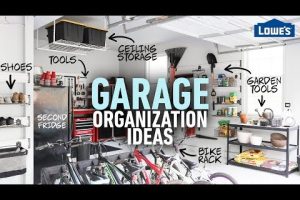
If you have ever stared at a cluttered room, an overflowing closet, or a chaotic workspace and wondered where to even begin, you are not alone. Help organizing is one of the most searched lifestyle topics on the internet today, and for good reason. A disorganized environment creates mental fog, drains your energy, and quietly erodes your productivity every single day. Whether you are tackling a chaotic home office, reorganizing a family pantry, or trying to bring order to a packed garage, the right organizing strategy can transform not just your space but your entire mindset. This guide dives deep into what effective help organizing truly looks like, from foundational principles for beginners to advanced systems that experienced organizers swear by. You will find actionable frameworks, expert recommendations, and practical comparisons that go far beyond generic advice.

What Help Organizing Really Means and Why It Matters
Help organizing is not simply about throwing things into boxes or buying storage containers. It is a deliberate process of designing systems that align with how you actually live, work, and think. True organizing help addresses the root causes of clutter — decision fatigue, lack of designated spaces, emotional attachment to possessions, and poor habits — rather than just masking the symptoms. When you invest in organizing support, whether through a professional organizer or a structured self-help approach, you are investing in clarity, efficiency, and peace of mind. Studies in environmental psychology consistently show that orderly spaces reduce cortisol levels, improve focus, and even enhance sleep quality. For beginners, understanding this connection between physical order and mental well-being is the critical first step that separates surface-level tidying from lasting transformation.
Core Principles That Drive Effective Organizing Help
Before you touch a single drawer or sort a single pile of paper, you need to internalize a few foundational principles that professional organizers use every day.
- Sort before you store. Every organizing project should begin with a thorough decluttering phase. Keep, donate, sell, or discard items that do not serve a current purpose in your life.
- Assign every item a home. If something does not have a designated spot, it will become clutter again within days. Help organizing works best when every possession has a logical, accessible place.
- Work with your habits, not against them. The best organizational system is the one that fits your natural behavior. If you hate filing, a filing cabinet will become a paper graveyard. Choose systems that match how you actually operate.
- Start small and build momentum. Tackling an entire house at once leads to burnout. Begin with a single drawer, one shelf, or one category of items to build confidence and visible progress.
- Use vertical space strategically. Wall-mounted shelves, over-door organizers, and stackable solutions maximize storage without consuming valuable floor space.
Why Most DIY Organizing Efforts Fail
One of the biggest reasons people abandon their organizing projects is that they jump straight into storage solutions without first decluttering. This creates what experts call “organized clutter” — everything has a label and a bin, but the space is still overloaded. Another common failure point is choosing systems based on aesthetics rather than functionality. A beautiful wicker basket looks great on Pinterest but may be completely impractical for the deep pile of mail and receipts that actually needs to be managed. The key is to prioritize function first, and aesthetics second. Professional organizing help emphasizes this distinction because it is the single most common mistake that derails home organization projects.
A Step-by-Step Framework for Getting Organized
Whether you are seeking help organizing your home for the first time or refreshing a system that has fallen apart, this structured approach works for any space and any skill level.
- Define your goal. Be specific. Instead of “organize the garage,” say “create a system where tools, seasonal items, and sports equipment each have a dedicated zone and are easy to find within five minutes.”
- Remove everything from the space. This is the most uncomfortable step, but it gives you a blank canvas and forces you to confront every item you own in that area.
- Sort into categories. Create four zones: keep, donate, sell, and discard. Be ruthless during this phase. If you have not used an item in over a year and it holds no sentimental value, let it go.
- Measure your space and plan zones. Map out where each category will live based on frequency of use. Daily-use items should be at arm’s reach; seasonal items can go higher or further back.
- Choose containers and tools. Select storage solutions that fit your measured spaces and match your categories. Uniform containers create visual calm; clear bins let you see contents at a glance.
- Put everything back using your new system. Place each item in its designated home. This is the moment where the real organizing happens.
- Maintain with a simple routine. Spend ten minutes each evening returning items to their homes. A five-minute reset each Sunday keeps the system from drifting.
Professional Organizing Help vs. DIY: Which Approach Is Right for You?
Deciding between hiring a professional organizer and tackling the project yourself depends on your budget, the complexity of the space, and your personal readiness for change.

| Factor | Professional Help | DIY Approach |
| Cost | $100–$500+ per session depending on scope | Minimal; mostly container and supply costs |
| Time Investment | Faster results; expert completes the work | Slower; requires your personal time and effort |
| Customization | Tailored systems designed by experts | Fully personalized but requires your research |
| Accountability | High; professional sets deadlines and structure | Low; depends entirely on your self-discipline |
| Best For | Severe clutter, hoarding situations, move-out turnovers, complex spaces | Mild clutter, budget-conscious households, people who enjoy hands-on projects |
| Long-Term Maintenance | Organizer provides a roadmap for you to follow | You must build and sustain habits independently |
For those who want a middle ground, many organizers now offer virtual organizing coaching sessions where they guide you through the process remotely. This hybrid model gives you access to expert help organizing strategies without the full cost of an in-person appointment.
Advanced Organizing Strategies That Create Lasting Systems
Once you have mastered the basics, it is time to level up with strategies that professional organizers use to build systems that survive real life.
Implement the One-In-One-Out Rule
This rule is simple but powerful: every time you bring a new item into your home, one item must leave. This prevents the slow, steady accumulation of clutter that eventually overwhelms even the most beautifully organized space. It creates a mindset of intentional consumption and forces you to evaluate purchases before they enter your home.
Use the Zone Method for Large Spaces
Divide large areas like kitchens, garages, or home offices into functional zones. A kitchen might have a cooking zone, a cleaning zone, a food storage zone, and a meal prep zone. Each zone contains everything needed for its function, eliminating the need to walk across the room to retrieve an item. This approach is especially effective when help organizing multi-purpose rooms where different family members share the same space.
Create a Landing Strip
Every household needs a designated entry point for keys, mail, bags, and coats. A landing strip — whether it is a wall-mounted hook system, a small console table, or a dedicated shelf — prevents the most common source of daily household clutter. This small change alone can dramatically reduce the feeling of chaos at the start and end of every day.
Digitize Paper and Document Systems
Physical paper is one of the biggest contributors to household clutter. Scanning important documents, using cloud-based filing systems, and unsubscribing from unnecessary mailings can eliminate an entire category of disorganization. For the paper you must keep, use a simple vertical filing system with clearly labeled tabs — one for bills, one for medical records, one for warranties, and one for taxes.
Frequently Asked Questions About Help Organizing

What is the best way to start help organizing a severely cluttered room?
Begin by removing everything from the room and sorting items into four piles: keep, donate, sell, and discard. Do not try to organize items before you have decluttered — this is the most common mistake. Start with just one small area, like a single drawer, to build momentum before expanding to the entire room. The act of seeing empty space creates motivation and clarity that sustains you through the full project.
How much does professional help organizing typically cost?
Professional organizing services typically range from $100 to $500 or more per session, depending on the size of the space, the level of clutter, and your geographic location. Some organizers charge hourly rates between $50 and $200, while others offer flat project-based pricing. Many organizers provide free initial consultations where they assess your space and give you a clear estimate before any work begins. Virtual organizing coaching is often more affordable, running $75 to $150 per session.
How do I maintain an organized home after the initial organizing project is complete?
The secret to lasting organization is building micro-habits rather than relying on willpower. Spend ten minutes each evening doing a quick reset — return items to their designated homes, clear flat surfaces, and take out anything that does not belong. Schedule a brief fifteen-minute weekly review of each major zone in your home. Systems that work are the ones that require minimal daily effort and integrate naturally into your existing routine. If maintaining a system feels like a chore, the system needs to be simplified, not your commitment to it.
Can help organizing actually improve mental health and reduce anxiety?
Yes, there is substantial evidence supporting the connection between physical organization and mental well-being. A study published in the journal Personality and Social Psychology Bulletin found that people who described their homes as cluttered had significantly higher cortisol levels throughout the day compared to those who described their homes as restorative. Organized environments reduce decision fatigue, create a sense of control, and eliminate the low-grade background stress that comes from searching for misplaced items. While organizing is not a substitute for professional mental health treatment, it is a proven and accessible tool for reducing daily anxiety and creating a calmer living environment.
What are the most useful organizing tools and products for beginners?
Start with a few essentials before buying a massive collection of storage products. Clear uniform bins in two or three sizes give you versatile, stackable storage without visual clutter. A label maker — even a simple handheld one — dramatically improves the usability of any organizational system. Drawer dividers for kitchen and bathroom cabinets instantly create order in the most common clutter hotspots. A simple file box with hanging folders handles paper management. The most important tool, however, is not a product but a plan — having a clear system before purchasing anything prevents buying containers that do not fit your actual needs.
Final Thoughts on Finding the Right Help Organizing Strategy
Help organizing is not a one-time event — it is an ongoing practice that evolves with your life, your belongings, and your goals. Whether you choose to work with a professional, follow a structured self-help approach, or combine both strategies, the most important thing is to start. Do not wait for the perfect system or the perfect weekend. Begin with one drawer, one shelf, one corner. The momentum you build from that single small victory will carry you through even the most overwhelming organizing projects. Remember that the goal is not perfection — it is a space that supports the life you want to live. When your environment works for you instead of against you, the benefits ripple into every area of your daily routine, from your morning productivity to your evening relaxation. Start today, stay consistent, and trust that the process itself is as valuable as the results it produces.