When it comes to transforming your outdoor space into a stunning retreat, diseño de jardines —or garden design—is one of the most rewarding investments you can make. Whether you’re working with a sprawling backyard or a modest urban balcony, thoughtful garden planning can completely redefine how you experience your home. The best landscape design doesn’t just beautify; it improves functionality, boosts property value, and creates a sanctuary that harmonizes with your lifestyle. In this comprehensive guide, we’ll walk through everything from foundational principles to advanced techniques, helping you craft an outdoor space that truly stands out.
Understanding the Core Principles of Diseño de Jardines
Before you dig into the soil or order decorative stones, it’s essential to understand the principles of garden design. These foundational concepts guide every decision you make and ensure your final layout feels cohesive rather than chaotic. Think of them as the architectural blueprint behind every beautiful outdoor space.
Balance and Symmetry

Balance refers to how visual weight is distributed across your garden. Symmetrical balance mirrors elements on either side of a central axis—think twin hedges flanking a stone pathway. Asymmetrical balance uses different elements of varying visual weight to achieve equilibrium, such as a large specimen tree on one side offset by a cluster of ornamental grasses and a boulder on the other.
Rhythm and Repetition
Rhythm keeps the eye moving through the garden. Repeating plants, materials, or patterns at strategic intervals creates a sense of flow. A row of identical lavender bushes leading toward a fountain, for example, draws you forward and gives the space structure.
Focal Points
Every strong garden layout includes at least one focal point—a feature that anchors attention. This could be a sculptural plant, a water feature, a seating area, or a piece of art. Without focal points, a garden can feel like a random collection of plants rather than a designed space.
Proportion and Scale

The size of elements relative to each other and to the overall space matters enormously. Oversized furniture in a small courtyard overwhelms, while tiny accent plants in a large estate garden get lost. Always consider scale when selecting hardscape and vegetation.
Popular Garden Design Styles for Every Taste
One of the most exciting aspects of landscape architecture is the sheer variety of styles available. Your choice should reflect your personality, climate zone, maintenance capacity, and how you use your outdoor space.
Formal Garden Design
Formal gardens emphasize order, geometry, and symmetry. Boxwood hedges, gravel pathways, parterre beds, and mirrored layouts define this classic style. They work beautifully in traditional homes and estates but require regular upkeep to maintain crisp edges.
Informal or Cottage Garden Design
Cottage gardens embrace a romantic, naturalistic look. Think flowing drifts of perennials, climbing roses, rustic pathways, and mixed plantings. This style feels abundant and relaxed, though it demands thoughtful plant pairing to avoid a cluttered appearance.
Modern and Contemporary Garden Design
Contemporary landscapes favor clean lines, minimalism, and bold textures. Concrete planters, ornamental grasses, sculptural shrubs, and limited color palettes define this approach. Modern landscaping ideas often incorporate integrated lighting and sustainable materials for a sleek, low-maintenance finish.
Comparison Table: Garden Design Styles
| Style | Maintenance Level | Best Suited For | Key Features | Cost Range |
| Formal | High | Large estates, traditional homes | Symmetry, hedges, gravel paths | Medium to High |
| Cottage | Medium | Suburban homes, romantic aesthetics | Mixed perennials, climbing plants, rustic paths | Low to Medium |
| Modern | Low | Urban homes, minimalist lovers | Clean lines, grasses, concrete, integrated lighting | Medium to High |
| Native/Wildlife | Low | Eco-conscious homeowners | Local plants, pollinator-friendly, naturalistic | Low |
The Step-by-Step Garden Design Process
Professional landscapers follow a systematic approach when developing a garden design plan. You can adopt the same process for your own project, whether it’s a simple revamp or a complete transformation.
Step 1: Site Analysis
Start by observing your space throughout the day. Note sun exposure, shade patterns, wind direction, drainage behavior, and existing features. Photograph the area from multiple angles and sketch a rough base map. Understanding your site’s microclimates is critical for plant survival and long-term success in any diseño de jardines project.
Step 2: Define Your Needs and Lifestyle
Ask yourself key questions: Do you want a space for entertaining? A private retreat? A family-friendly play area? Your functional requirements directly shape the layout, material choices, and planting scheme.
Step 3: Develop a Layout
Translate your ideas into a scaled plan. Map out zones—dining area, lawn, flower beds, vegetable patch, pathways. Ensure logical circulation so that moving through the space feels intuitive. Use curved lines to soften rigid geometry or straight edges to add structure to irregular plots.
Step 4: Select Plants Strategically
Plant selection goes far beyond aesthetics. Consider bloom timing, foliage texture, mature size, sunlight requirements, and local climate compatibility. A well-planned landscape design ensures year-round interest by combining evergreen structure with seasonal color from perennials, bulbs, and annuals.
- Layer your planting: Tall trees form the canopy, mid-height shrubs fill the middle, and groundcovers anchor the base.
- Mix textures: Combine fine-textured grasses with bold-leaved hostas for visual contrast.
- Plan for seasonal transitions: Include early spring bulbs, summer bloomers, fall foliage, and winter-interest bark or evergreens.
Advanced Techniques for Elevated Garden Design
Once you’ve mastered the basics, consider these professional-level strategies to elevate your outdoor space design.
Layered Planting and Companion Grouping
Layering isn’t just about height—it’s about creating depth through overlapping plant groups. Place taller plants at the back of borders, medium plants in the center, and low-growing or cascading species at the front edge. Companion grouping mimics natural plant communities, making your garden look effortlessly cohesive. Lavender paired with salvia and trailing thyme, for instance, creates a fragrant, pollinator-rich border that looks and performs beautifully together.
Hardscaping Integration
Hardscape elements—patios, retaining walls, pergolas, water features, and lighting—provide the skeleton of your garden. Choose materials that complement your home’s architecture and the overall design style. Natural stone offers timeless versatility, while composite materials deliver modern aesthetics with lower maintenance. Water features add a sensory dimension, masking urban noise with the calming sound of flowing water.
Sustainable and Eco-Friendly Design
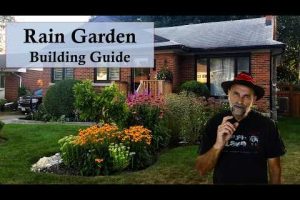
Modern landscape architecture increasingly prioritizes sustainability. Rain gardens manage stormwater runoff. Native plantings reduce irrigation needs and support local ecosystems. Permeable paving allows water to recharge groundwater supplies. Incorporating even one or two of these strategies makes your garden more resilient and environmentally responsible.

Common Mistakes to Avoid in Garden Planning
- Ignoring mature plant size: Plants that look perfect at the nursery can overwhelm your space at full maturity. Always check height and spread specifications before planting.
- Overcrowding beds: Give plants room to breathe. Close spacing looks appealing initially but leads to competition for light, nutrients, and airflow.
- Neglecting drainage: Poor drainage kills plants and creates muddy messes. Test your soil’s infiltration rate and amend or regrade as needed.
- Skipping the maintenance plan: Design with upkeep in mind. If you lack time for intensive gardening, opt for low-maintenance materials and perennials.
- Copying layouts without adaptation: Magazine photos are inspiring, but they may not suit your microclimate, soil type, or lifestyle. Always adapt ideas to your specific context.
Expert Tips for Every Skill Level
For Beginners
- Start small—revamp one bed or corner rather than redesigning the entire property at once.
- Choose proven, hardy plants that tolerate local conditions while you build confidence.
- Invest in quality soil amendments; healthy soil equals healthy plants.
For Intermediate Designers
- Experiment with color theory—complementary colors create energy, while analogous palettes deliver harmony.
- Add one statement piece: a specimen tree, an archway, or a unique container.
- Incorporate lighting to extend usability into evening hours and highlight key features.
For Advanced Gardeners
- Design microclimates using walls, berms, and water features to push plant hardiness zones.
- Integrate food gardening ornately—edible plants like artichokes and rainbow chard double as decorative elements.
- Develop a multi-season rotation plan ensuring something is always in bloom or showing interesting foliage.
Conclusion
Diseño de jardines is both an art and a science, blending aesthetic vision with horticultural knowledge, spatial planning, and environmental awareness. Whether you’re crafting a tiny urban oasis or reimagining a sprawling backyard, the principles outlined here give you a strong foundation. Start with thoughtful analysis, choose a style that resonates with you, and build your garden in stages. The most beautiful landscapes aren’t built overnight—they evolve, improve, and ultimately reward the care and intention invested in them. Your dream garden is absolutely within reach.
Frequently Asked Questions About Diseño de Jardines
What is the best approach for diseño de jardines on a small budget?
Focus on maximizing softscaping—plants, mulch, and organic matter—over expensive hardscape. Start with a strong structural framework using affordable materials like gravel paths and DIY raised beds. Prioritize perennials over annuals for long-term value, and consider propagating plants from cuttings or dividing existing specimens to expand your garden inexpensively.
How do I choose the right plants for my garden design layout?
Begin by assessing your garden’s specific conditions: sunlight hours, soil type, drainage, and climate zone. Match plants to these parameters rather than selecting solely on appearance. Research each species’ mature size, bloom period, and maintenance needs. Group plants with similar care requirements together to simplify upkeep and ensure long-term health within your garden planning process.
Can professional landscape design services save money in the long run?
Absolutely. A well-designed layout prevents costly mistakes like improper plant placement, drainage failures, or inefficient use of space. Professionals bring expertise in material selection, zoning regulations, and long-term plant development, reducing the need for replacements and rework. Their designs also typically increase property value, making the initial investment financially worthwhile.
What are the most impactful elements in modern landscape architecture?
Clean geometric lines, strategic use of native grasses, integrated LED lighting, water features, and sustainable materials top the list. Modern design also emphasizes open sight lines and the connection between indoor and outdoor living spaces. Even a single well-placed water feature or sculptural plant specimen can transform the entire character of a contemporary garden.
How important is seasonal planning in garden design?
Seasonal planning is essential for creating a garden that delivers visual interest all year. Without it, you risk a space that looks spectacular in June but bare and uninspiring in November. Design with at least three seasons of interest in mind—incorporate early spring bulbs, summer-flowering perennials, autumn foliage plants, and winter-interest evergreens or bark textures.
What’s the difference between garden design and landscape design?
Garden design typically focuses on the planted elements—arrangement of flowers, shrubs, trees, and groundcovers within defined beds and borders. Landscape design encompasses a broader scope, including hardscape features like patios, walls, pathways, irrigation systems, and outdoor structures, alongside the planting plan. In practice, the two disciplines overlap extensively, and the best projects integrate both seamlessly.