When you invest in your outdoor living space, you want pieces that hold up against sun, rain, wind, and everything else Mother Nature throws at them. Durable patio furniture isn’t just about surviving a season or two—it’s about creating an outdoor oasis that looks stunning and performs reliably year after year. Whether you’re outfitting a small balcony, a sprawling deck, or a sprawling backyard entertaining area, the materials you choose and the care you provide will determine whether your furniture becomes a lasting centerpiece or a replacement headache. In this comprehensive guide, we’ll break down the best materials, compare performance across different options, share expert maintenance tips, and answer the most common questions homeowners ask when shopping for long-lasting outdoor furniture that delivers real value.
What Makes Patio Furniture Truly Durable

Durability in outdoor furniture goes far beyond just surviving a few months outdoors. True resilience depends on how materials respond to UV exposure, moisture, temperature fluctuations, and everyday wear from use. The best weather-resistant patio sets are engineered with structural integrity as a priority, meaning joints are reinforced, frames are heavy-gauge or thick-cut, and finishes are designed to resist fading and corrosion. When you’re evaluating outdoor lounge chairs or dining sets, look beyond surface appearance. Check weld quality on metal frames, inspect joinery on wooden pieces, and assess how well cushions and fabrics are rated for UV and mold resistance. A piece that feels solid, well-balanced, and precisely assembled at the factory is almost always going to outlast flimsy alternatives by a significant margin.
Climate plays a critical role too. What performs well in a dry, arid environment might deteriorate quickly in a coastal or high-humidity region. Understanding your specific weather patterns helps you match materials to conditions, which is the single most impactful decision you’ll make when buying outdoor furniture built to last.
Best Materials for Long-Lasting Outdoor Furniture
Aluminum and Powder-Coated Steel
Aluminum is one of the top choices for heavy-duty patio furniture, and for good reason. It’s naturally rust-resistant, lightweight enough to rearrange easily, and remarkably strong when constructed with a thick-gauge frame. Powder-coated steel offers a similar advantage, with an additional layer of protection baked onto the surface that shields against scratches and moisture penetration. Both materials excel in humid or coastal environments where salt air and rain would destroy unprotected iron or untreated wood. When shopping for an aluminum patio set, pay attention to whether the frame is cast aluminum or extruded aluminum—cast tends to be heavier and sturdier, which translates directly into structural longevity.
Teak and Hardwood Options
Teak has been the gold standard for durable outdoor wood furniture for decades, and it earns that reputation honestly. The natural oils in teak wood act as a built-in water repellent and resist rot, insects, and fungal decay without any chemical treatment. You can leave teak unfinished and let it develop a silvery patina, or oil it regularly to maintain its warm golden hue. Other hardwoods like acacia, eucalyptus, and cedar offer similar benefits at different price points. Acacia outdoor furniture, for example, is dense, scratch-resistant, and affordable enough to make it one of the most popular choices among homeowners who want the look of premium wood without the teak price tag. Properly maintained, a quality hardwood dining set can last 15 to 25 years or longer.
Wicker and Rattan Alternatives
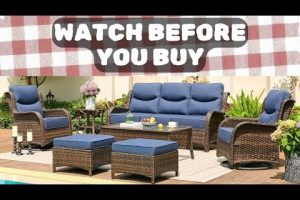
Synthetic wicker, also called resin wicker or all-weather wicker, has revolutionized the outdoor furniture market. Unlike natural rattan, which degrades quickly when exposed to moisture and UV rays, high-density polyethylene (HDPE) wicker is UV-stabilized, waterproof, and designed to mimic the aesthetic of natural fibers without any of the fragility. Premium synthetic wicker patio furniture often comes with powder-coated aluminum frames, combining the beauty of woven textures with the structural strength of metal. These pieces are ideal for regions with heavy rainfall or intense sun exposure, and they require virtually zero maintenance beyond occasional cleaning with soap and water.
Comparing Durability Across Materials

Not all outdoor furniture materials are created equal. The table below breaks down how the leading options compare across key durability factors so you can make an informed decision based on your priorities and environment.
| Material | Weather Resistance | Lifespan | Maintenance Level | Weight |
| Aluminum | Excellent — rust-proof, UV-stable | 15–25+ years | Very low | Light |
| Powder-Coated Steel | Very good — coating prevents corrosion | 10–20 years | Low to moderate | Heavy |
| Teak Wood | Excellent — natural oils repel water | 20–30+ years | Low (oiling optional) | Heavy |
| Acacia Wood | Good — dense grain resists moisture | 10–15 years | Moderate (sealing recommended) | Medium |
| Synthetic Wicker | Excellent — UV and waterproof rated | 10–20 years | Very low | Light to medium |
| Natural Rattan | Poor — degrades with moisture and sun | 2–5 years outdoors | High | Light |
This comparison highlights why synthetic wicker and aluminum consistently rank among the best outdoor furniture materials for modern homeowners. They offer a balance of performance, aesthetics, and ease of care that natural materials sometimes struggle to match in demanding climates.
How to Extend the Lifespan of Your Patio Furniture
Even the most durable outdoor furniture benefits from proper care. Following a few consistent practices can add years—sometimes decades—to the life of your outdoor pieces. Here is a practical maintenance routine that works across most material types:
- Clean regularly. Wash frames and surfaces with mild soap and water at least once per month during active use. This removes dirt, pollen, bird droppings, and salt residue that can accelerate corrosion or discoloration.
- Use protective covers. High-quality breathable furniture covers shield pieces from prolonged UV exposure, rain, and debris during off-seasons or extended periods of non-use.
- Store or winterize properly. If you live in a region with harsh winters, bring cushions indoors and consider storing metal or wood furniture in a garage or shed. If storage isn’t possible, invest in weather-resistant covers rated for snow and ice.
- Tighten hardware periodically. Bolts, screws, and joints can loosen over time due to temperature expansion and contraction. A quick inspection every few months prevents wobbling and structural stress.
- Apply protective treatments. For wooden furniture, reapply teak oil, marine varnish, or outdoor sealant annually to maintain the protective barrier against moisture and UV damage.
- Address rust and damage early. Spot-treat any chips in powder coating immediately with touch-up paint, and sand and reseal any wood showing signs of cracking before damage spreads.
Following these steps consistently transforms good outdoor furniture into furniture that lasts, preserving both appearance and structural integrity across seasons.

Expert Tips for Choosing Weather-Resistant Outdoor Furniture
Buying durable patio furniture isn’t just about picking the right material—it’s also about selecting the right construction details and brand reputation. Here are expert-level tips to guide your purchase:
- Check the frame gauge. For metal furniture, thicker gauge steel or aluminum means a stronger, heavier frame that resists bending and wind damage. Lightweight folding chairs may be convenient, but they rarely withstand years of heavy use.
- Look for marine-grade hardware. Stainless steel or galvanized screws and bolts resist rust far better than standard zinc-plated fasteners, especially near the coast.
- Prioritize all-weather cushion fabric. Fabrics labeled Sunbrella, Olefin, or solution-dyed acrylic offer superior fade resistance and moisture repellency compared to standard polyester or cotton blends.
- Test stability before buying. If possible, sit in the furniture and shift your weight. Well-built pieces should feel solid with no wobble or creaking from joints or welds.
- Read warranty terms carefully. A manufacturer confident in their build quality will offer warranties covering frame rust, weld failure, and fabric degradation for multiple years.
- Consider modular designs. Sectional outdoor sofas and dining sets with replaceable components let you swap out worn pieces instead of replacing the entire set, saving money and reducing waste over time.
Frequently Asked Questions About Durable Patio Furniture
What is the most durable material for outdoor furniture in humid climates?
Aluminum and synthetic wicker are the top performers in humid climates. Both materials resist moisture absorption, won’t warp or rot, and stand up well to salt air and persistent dampness. Powder-coated steel is also a strong contender, provided the coating remains intact. Avoid untreated wood or natural fibers in these environments unless they are specifically rated for high-moisture exposure.
How long does quality outdoor furniture typically last?
With proper care, premium aluminum and teak outdoor furniture can last 20 to 30 years or more. Synthetic wicker sets and powder-coated steel pieces generally last 10 to 20 years. Budget-grade furniture made from particle board, untreated pine, or thin tubular steel may only last two to five seasons before showing significant wear or structural failure.
Is it worth investing in expensive durable patio furniture?
Absolutely. When you calculate the cost-per-year over a 15- to 25-year lifespan, a higher-quality set often costs less per year than replacing budget furniture every two to three seasons. Beyond the math, premium pieces offer superior comfort, better aesthetics, and the convenience of not having to shop for replacements every few years.
Can I leave outdoor furniture outside year-round?
It depends on the material and your climate. Aluminum, synthetic wicker, and powder-coated steel can generally remain outside year-round with protective covers. Teak is naturally resistant but benefits from occasional oiling. Wooden pieces and any furniture with fabric cushions should be covered or stored during extended periods of rain, snow, or intense winter cold to maximize their lifespan.
What should I look for in outdoor furniture cushions to ensure longevity?
Choose cushions with solution-dyed acrylic fabric such as Sunbrella, which resists fading, mold, and moisture. High-density foam cores hold their shape longer than standard polyester fill. Look for cushions with drainage holes and zip-off covers that can be machine-washed. Avoid foam that absorbs water, as it becomes a breeding ground for mildew and deteriorates rapidly.
Final Thoughts on Investing in Durable Patio Furniture
Choosing the right outdoor furniture is one of the most impactful decisions you can make for your home’s curb appeal, entertainment capacity, and personal comfort. By focusing on proven materials like aluminum, teak, acacia, and synthetic wicker, paying attention to construction quality, and committing to a simple maintenance routine, you build an outdoor space that rewards you with beauty and function for decades. Skip the short-term bargains that leave you replacing pieces every couple of years, and instead invest in furniture engineered to endure. Your future self—relaxing on a sturdy, beautiful patio set on a warm evening years from now—will thank you for the decision today.