


When most people think about organizing their living room, they picture shelving units, media consoles, or coffee tables. But there is one piece of furniture that deserves far more attention than it typically receives — the dresser. A dresser living space transforms a conventional storage piece into a room-defining centerpiece that merges functionality with style in ways you might not expect. Whether you are redecorating from scratch or simply looking for smarter ways to organize a living area, understanding how to leverage a dresser in this context can completely change the feel and flow of your home.
What Is a Dresser Living Space?
A dresser living space refers to the practice of incorporating a dresser — traditionally associated with bedrooms — into a living room or common area as a functional and decorative element. This concept goes beyond simply placing a chest of drawers in the living room. It involves intentional styling, strategic placement, and thoughtful coordination with existing furniture to create a cohesive, organized, and visually appealing environment.
The idea has gained significant traction in interior design circles because dressers offer something most living room furniture cannot: abundant, hidden storage with a flat surface on top perfect for display. Unlike bulky armoires or freestanding cabinets, a well-chosen dresser fits neatly into living spaces of almost any size, offering versatility that few other pieces can match.
Why Dressers Are Game-Changers for Living Rooms
Multifunctional Storage Solutions
A dresser in a living room serves as a hidden storage powerhouse. Unlike open shelves that collect dust and clutter, dresser drawers keep items out of sight while remaining easily accessible. Think remote controls, board games, extra blankets, books, and seasonal decor. The top surface doubles as a display area for plants, art pieces, framed photos, or curated collections.
Here are some of the most practical uses for a dresser in a living space:
- Storing living room essentials like remotes, charging cables, and coasters
- Displaying decorative objects, books, and curated vignettes
- Holding extra linens, pillows, or throw blankets for guest-ready rooms
- Organizing media accessories, gaming consoles, or streaming devices
- Serving as a makeshift bar cart or beverage station during gatherings
Aesthetic Enhancement and Visual Balance
Beyond storage, a dresser adds architectural interest to a living room. It breaks up large walls, anchors seating arrangements, and creates visual balance. A stylish dresser can serve as an alternative to a traditional entertainment center, especially in apartments, lofts, or minimalist living spaces where bulkier furniture feels overwhelming.
Interior designers frequently recommend using dressers as room dividers in open-concept layouts, separating living areas from dining spaces without closing them off. This approach maintains airflow and natural light while defining distinct functional zones within a single room.
How to Choose the Right Dresser for Your Living Space
Selecting the perfect dresser for a living room requires more consideration than grabbing the first piece you find. Several factors determine whether a dresser will complement your space or compete with it awkwardly.
Size and Scale Considerations

Measure your available wall space carefully before purchasing. A dresser that is too large will dominate the room and obstruct traffic flow, while one that is too small will look lost and ineffective. As a general rule, the dresser should occupy no more than two-thirds of the wall length where it sits.
Consider the height as well. Standard dressers range from about 30 to 36 inches tall, but low-profile media dressers and tallboys offer different proportions that suit different layouts. In smaller living spaces, a narrow vertical dresser with multiple drawers maximizes storage without consuming valuable floor area.
Style and Material Options
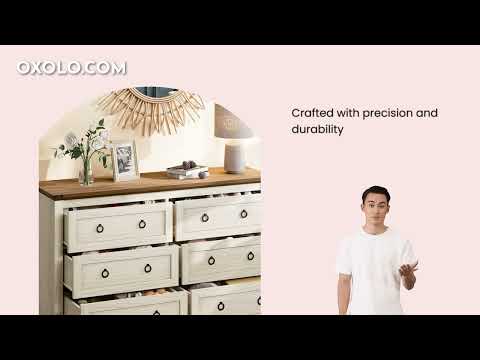
The material and style of your dresser should align with your overall living room design theme. Here is a quick comparison of popular options:
| Style | Best For | Material | Vibe |
| Mid-Century Modern | Minimalist and retro-inspired spaces | Walnut, teak, rosewood | Warm, clean lines |
| Farmhouse Rustic | Cozy, country-style living rooms | Reclaimed wood, pine | Rustic, charming |
| Contemporary | Modern apartments and condos | Painted wood, lacquer, metal | Sleek, streamlined |
| Traditional | Classic and formal interiors | Mahogany, oak, cherry | Elegant, ornate |
| Industrial | Lofts and urban apartments | Metal frames, distressed wood | Edgy, raw |
Each style brings a distinct energy to the room. A mid-century modern dresser, for example, pairs beautifully with streamlined sofas and muted tones, while a farmhouse piece adds warmth to spaces featuring natural textures and earth tones.
Styling Tips for Dresser Living Spaces
Once you have the right dresser in place, styling becomes the next critical step. The way you arrange items on and around your dresser can elevate the entire living room aesthetic.
- Start with a focal point on top. Place a large mirror, a piece of abstract art, or a decorative tray on the flat surface above the dresser. This draws the eye upward and creates a polished, intentional look.
- Layer items in odd numbers. Group decorative objects in threes or fives for visual balance. Combine varying heights — a tall vase next to a stack of books and a small candle holder creates depth and interest.
- Use drawer organizers. Keep dresser interiors tidy with dividers, bins, or drawer liners. A messy drawer undermines the entire purpose of having hidden storage.
- Add lighting. A small table lamp placed on top of the dresser or LED strip lights inside drawers adds warmth and functionality, especially in dimly lit living rooms.
- Coordinate with existing furniture. Match the dresser’s finish or tone to other wood elements in the room, such as a coffee table, bookshelf, or sideboard, to create a unified design language.
Dresser vs. Other Living Room Furniture
When planning a living space, homeowners often compare dressers against other storage and display options. Understanding the unique advantages and limitations helps you make an informed decision.
| Feature | Dresser | Media Console | Bookshelf | Sideboard |
| Hidden Storage | Excellent | Moderate | Minimal | Excellent |
| Display Surface | Yes (top) | Yes (top) | No (shelves only) | Yes (top) |
| Room Flexibility | High | Medium | Medium | High |
| Space Efficiency | Very Good | Good | Moderate | Good |
| Aesthetic Versatility | Excellent | Good | Good | Very Good |
| Ideal Room Size | Small to Large | Medium to Large | Any | Medium to Large |
As you can see from the comparison, dressers hold a unique position. They combine hidden storage, display surfaces, and room flexibility in a single piece, making them exceptionally versatile for living spaces of all sizes. Media consoles are purpose-built for entertainment equipment but lack the same level of general storage, while bookshelves prioritize display over concealment.
Common Mistakes to Avoid When Using a Dresser in Living Spaces
Even experienced homeowners make avoidable errors when incorporating dressers into their living rooms. Here are some pitfalls to watch out for:
- Choosing the wrong scale. An oversized dresser in a small living room creates a cramped, claustrophobic feel. Always measure twice and visualize the piece in the space before committing.
- Ignoring traffic flow. Place the dresser where it does not block doorways, windows, or natural pathways through the room. Leaving at least 30 inches of clearance on the open side ensures comfortable movement.
- Overcrowding the top surface. Less is more when it comes to dresser styling. A cluttered top surface defeats the purpose of having a clean, organized piece.
- Neglecting safety. Secure tall dressers to the wall using anti-tip brackets, especially in homes with children or pets. This is both a safety necessity and a practical measure that extends the life of the furniture.
- Mismatching the room’s aesthetic. A highly ornate traditional dresser in a sleek modern apartment can feel jarring. Aim for style continuity or intentional contrast that makes sense within the room’s design narrative.
Frequently Asked Questions
Can a dresser really replace a media console in a living room?
Yes, especially if you prefer a cleaner, less cluttered look. Many homeowners use a dresser as their primary media storage unit by placing a television on top and using drawers to hide gaming systems, cables, and accessories. The key is choosing a dresser wide enough to support your TV and deep enough to accommodate media equipment comfortably.
What is the best dresser size for a small living room?
For compact living spaces, look for a dresser that is approximately 30 to 36 inches wide, 18 to 24 inches deep, and 30 inches tall. Narrow vertical dressers with five or more drawers maximize storage footprint while minimizing floor space usage. Low-profile models also keep sightlines open, making small rooms feel more spacious.
How do you style a dresser top for a modern living space?
Keep it minimal and intentional. Start with a large mirror or art piece as an anchor, then add two or three complementary decorative objects at varying heights. Use a tray to group smaller items together, and leave some negative space. Avoid filling every inch — modern design thrives on restraint and breathing room.
Is it better to place a dresser against a wall or use it as a room divider?
It depends entirely on your layout and needs. Against a wall, a dresser serves as efficient storage and display. As a room divider, it adds functional separation in open-concept spaces while providing storage on both sides. If using a dresser as a divider, consider placing it on casters so you can reposition it as needed.
What materials are most durable for a dresser used in a high-traffic living area?
Hardwoods like oak, walnut, and maple offer the best durability for living room environments where a dresser may be touched and moved frequently. Engineered wood with a high-quality laminate or veneer finish is a more budget-friendly alternative that still holds up well. Avoid softwoods like pine for high-use areas unless they are properly sealed and finished.
Final Thoughts
A dresser living space is about much more than just adding storage to your living room. It is a design strategy that combines organization, aesthetics, and spatial intelligence to create a home that feels curated, intentional, and welcoming. Whether you opt for a sleek contemporary piece, a rustic farmhouse find, or a vintage treasure with character, the right dresser will serve as one of the most versatile and impactful elements in your entire living space. Invest in the right piece, style it with care, and you will wonder why you ever overlooked this underrated furniture staple for your living room.