


Living in a compact apartment or a cozy studio doesn’t mean you have to sacrifice style, comfort, or functionality. The world of furniture small living space has evolved dramatically over the past decade, and homeowners now have access to innovative designs that maximize every square foot without compromising aesthetics. Whether you’re furnishing a 300-square-foot studio or a modest one-bedroom apartment, the right furniture choices can transform a cramped room into a welcoming, highly efficient living environment. In this guide, we’ll dive deep into the best furniture options, arrangement strategies, and expert-backed tips that help you make the most of limited space.
Why Choosing the Right Furniture for Small Living Spaces Makes All the Difference

Selecting furniture for a small living space goes far beyond picking pieces that “fit.” It involves understanding spatial dynamics, traffic flow, visual perception, and everyday functionality. Small apartment furniture that is poorly chosen can make a room feel cluttered and suffocating, while well-selected pieces create an illusion of openness and order. Research in environmental psychology shows that room proportions, furniture scale, and even color significantly influence how spacious a room feels. When you invest time in choosing the right compact living room furniture, you’re not just decorating — you’re engineering a better daily experience.
The goal is to balance storage, seating, and visual lightness. Every piece should earn its place by serving at least one clear purpose, whether that’s providing comfort, offering hidden storage, or drawing the eye upward to create a sense of height.
Best Furniture Types for Small Living Spaces
Multifunctional Furniture Pieces
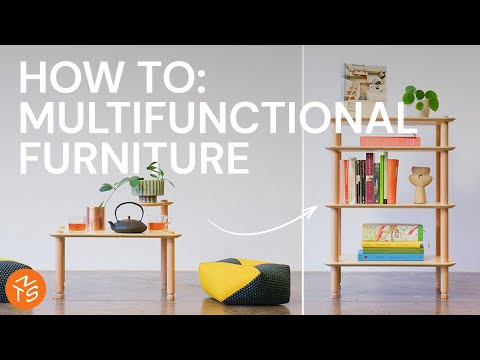
The single most powerful category in furniture small living space design is multifunctional furniture. These pieces combine two or more functions into a single unit, saving precious floor area while keeping essentials within reach.
- Sofa beds and futons: These serve as comfortable seating during the day and a sleeping surface at night, eliminating the need for a separate bedroom.
- Storage ottomans: Double as seating and hidden storage for blankets, books, or remotes, while also functioning as a coffee table when paired with a tray.
- Drop-leaf tables and wall-mounted fold-down desks: Provide a work surface that disappears when not in use, freeing up walking space instantly.
- Nesting tables: A set of tables that tuck neatly under one another when grouped and spread apart when you need extra surface area.
- Lift-top coffee tables: Feature a hinged top that raises to dining or working height, often with compartments underneath for magazines or tech accessories.
Compact and Space-Saving Designs
Beyond multifunctional pieces, intentionally compact furniture plays a critical role in small-space living. These items are scaled down without losing comfort or durability.
- Armless chairs and slipper chairs: Without bulky armrests, these tuck neatly against walls or into corners, freeing up floor space and creating a lighter visual footprint.
- Low-profile sofas: A low-back sofa draws the eye upward and makes ceilings feel taller, which is especially valuable in apartments with standard eight-foot ceilings.
- Wall-mounted shelving and floating desks: Freeing the floor entirely creates the perception of a larger, more open room.
- Stools and bench seating: Slim, stackable stools take up far less room than conventional chairs and can be tucked under counters or bars.
- Corner-specific furniture: Corner sofas, L-shaped sectional configurations, and triangular shelving units capitalize on the often-wasted corner areas of a room.
Smart Furniture Arrangement Strategies for Compact Rooms
Even the best small space design furniture will fail if arranged poorly. The layout determines how traffic flows through the room, how light travels, and how “full” or “open” the space feels. Here are proven strategies used by interior designers who specialize in compact living.
Float furniture away from walls. While it seems counterintuitive, pulling your sofa a few inches away from the wall creates depth and makes the room feel larger. Pair this with a slim console behind the sofa to define the zone without blocking movement.
Use area rugs to create zones. In open-plan studios, a well-placed rug under your sofa and coffee table visually separates the living area from the dining or sleeping zone, giving each area its own identity without building walls.
Choose vertical storage over horizontal. Floor-to-ceiling shelving units draw the eye upward and maximize storage without expanding the room’s footprint. Wall-mounted cabinets and tall bookcases are essential components of effective furniture small living space planning.
Keep sightlines open. Avoid blocking windows or pathways with large pieces. When you can see through the room, your brain interprets it as more spacious.
Comparison: Top Furniture Options for Small Living Spaces
| Furniture Type | Best For | Space Efficiency | Style Versatility |
| Sofa bed | Guests + daily seating | High (replaces two pieces) | Medium |
| Storage ottoman | Seating + hidden storage | Very High | High |
| Wall-mounted desk | Work + dining surface | Extremely High | Medium |
| Nesting tables | Flexible surface area | High | High |
| Lift-top coffee table | Dining + storage | Medium-High | High |
| Compact armless sofa | Daily seating | High | Very High |
| Floating shelves | Display + storage | Extremely High | High |
Expert Tips for Maximizing Small Living Space with Furniture
Drawing from years of experience in compact interior design, here are actionable recommendations that go beyond the basics:
- Stick to a light color palette. Light-toned furniture in whites, soft grays, and pastels reflects more light and visually recedes, making rooms feel more expansive. You can add personality through accent pillows, throws, and artwork rather than through oversized statement furniture.
- Invest in furniture with exposed legs. Pieces that sit on visible legs — whether wooden or metal — allow light to pass underneath, reducing the visual heaviness that solid-base furniture creates on a floor.
- Use mirrors strategically. Placing a large mirror opposite a window doubles the natural light and creates a convincing illusion of depth, amplifying the effect of your carefully chosen compact living room furniture.
- Select furniture with a dual purpose built in. Rather than adding a separate side table and a lamp, choose a slim table with an integrated USB charging port and a recessed lamp. This eliminates redundant items and frees up surfaces.
- Think in multiples of one. Avoid matching sets. Instead, mix individual pieces of varying heights and sizes to create visual interest and prevent the room from feeling like a showroom.
Common Mistakes People Make When Furnishing Small Spaces
Even well-intentioned homeowners often undermine their small-space efforts with avoidable errors. Here are the most frequent pitfalls:
- Buying furniture that is too large. It’s tempting to scale up a sofa to fill a room, but oversized pieces choke circulation and make the space feel smaller.
- Neglecting vertical space. Many people focus exclusively on floor-level furniture and ignore walls, leaving valuable storage and display area unused.
- Overcrowding with decorative items. Too many knick-knacks, rugs, and plants compete for attention and make a room feel chaotic. Edit ruthlessly.
- Ignoring traffic flow. Furniture should allow at least 30 inches of clearance for primary walkways. Anything less creates frustration and a claustrophobic feel.
- Choosing dark, heavy finishes throughout. Dark wood and black metal absorb light and visually shrink a room. Reserve dark tones for one or two accent pieces only.
Conclusion
Mastering furniture small living space is equal parts creativity, planning, and restraint. The best small-space interiors aren’t cluttered with clever gadgets — they are thoughtfully curated environments where every piece earns its place. By prioritizing multifunctional designs, compact proportions, smart arrangement, and a cohesive aesthetic, you can create a living space that feels open, comfortable, and genuinely inspiring. Start with the pieces that serve your daily routine most directly, build outward from there, and never be afraid to edit. Less really is more when every inch counts.
Frequently Asked Questions
What is the best furniture for a small living room?
The best furniture for a small living room combines compact proportions with multifunctionality. A low-back armless sofa paired with a storage ottoman and a wall-mounted drop-leaf table creates a functional layout without overwhelming the room. Look for pieces with exposed legs and light finishes to maintain visual openness.
How do I make furniture look good in a small space?
Choose a consistent color palette, use furniture with visible legs to reduce visual bulk, and anchor the room with one statement piece rather than several competing items. Mirrors and strategic lighting further enhance the appearance of space around your furniture small living space arrangement.
What size sofa is best for a small apartment?
A sofa between 65 and 80 inches wide typically works well in apartments under 500 square feet. Opt for armless or narrow-arm styles, and consider a sofa bed if you occasionally host overnight guests. The key is ensuring at least 30 inches of clearance between the sofa and any opposing furniture or wall.
How can I add storage without taking up floor space?
Maximize vertical storage with floor-to-ceiling shelving, wall-mounted cabinets, and over-door organizers. Choose furniture that includes built-in storage, such as lift-top coffee tables, storage beds, and ottomans with hollow interiors. These solutions add significant capacity without expanding your floor footprint.
Is it worth investing in custom furniture for small spaces?
For uniquely shaped rooms or specific storage challenges, custom furniture can be a game-changer. Built-in units tailored to exact wall dimensions eliminate awkward gaps and wasted space. However, many off-the-shelf compact living room furniture options now offer modular configurations that adapt to a variety of room sizes and layouts.