



Thinking about redoing your kitchen but feeling overwhelmed by what it might cost? You’re not alone. The cost to redo a kitchen is one of the most Googled home improvement topics in 2024, and for good reason. Your kitchen is the heart of your home — it’s where family gatherings happen, meals get cooked, and memories are made. But let’s be honest: kitchen renovations can range from a modest $5,000 budget refresh to a jaw-dropping $150,000 full gut job. Understanding what drives those numbers is the first step toward making smart decisions with your money. In this comprehensive guide, we’ll break down every aspect of kitchen renovation costs, from material pricing and labor expenses to hidden fees that catch homeowners off guard. Whether you’re planning a minor cabinet refresh or a complete kitchen remodel, this article will give you the realistic numbers and expert insights you need to budget confidently.
Average Cost to Redo a Kitchen: The 2024 Breakdown
The national average cost to redo a kitchen sits around $35,000, according to recent HomeAdvisor and Angi data. However, that figure spans a massive range depending on scope, location, and material quality. Let’s look at what you can expect across three typical renovation tiers:
Budget Kitchen Renovation ($5,000 – $15,000)
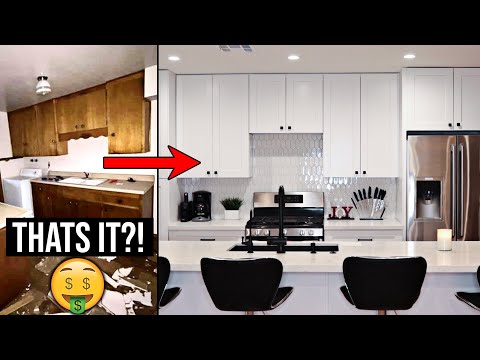
A budget-level kitchen remodel typically involves cosmetic updates that don’t require structural changes. Think painting cabinets, installing new hardware, updating backsplashes, and swapping out fixtures. This tier is perfect for homeowners who want a fresh look without major demolition or construction.
Mid-Range Kitchen Renovation ($15,000 – $45,000)
The mid-range kitchen redo cost is where most homeowners land. This includes replacing countertops, updating cabinetry, installing new flooring, upgrading appliances, and potentially moving a few utility lines. It’s the sweet spot for adding significant value without breaking the bank.
High-End Kitchen Remodel ($45,000 – $150,000+)
At the luxury end, a full kitchen renovation involves tearing down walls, custom carpentry, high-end appliances from brands like Wolf or Sub-Zero, premium stone countertops, smart kitchen technology, and bespoke lighting designs. This tier can transform your kitchen into a chef’s dream space.
Key Factors That Affect Kitchen Remodeling Costs

Understanding why kitchen renovation prices vary so dramatically is essential for accurate budgeting. Several critical variables come into play:
Kitchen Size and Layout Complexity
Square footage is a primary cost driver. A small galley kitchen might cost $15,000 to redo, while a spacious open-concept kitchen can easily exceed $60,000. If your project requires moving plumbing, relocating gas lines, or knocking down load-bearing walls, expect costs to spike significantly. Complex layouts with unusual angles or oddly placed windows add labor hours and material waste.
Materials and Finishes Selection
This is where homeowners have the most control over their kitchen remodeling expenses. Consider these material cost ranges:
- Cabinets: Stock cabinets run $3,000–$8,000; semi-custom $8,000–$18,000; fully custom $20,000–$50,000+
- Countertops: Laminate $1,000–$3,000; quartz $3,000–$7,500; natural stone $4,000–$12,000
- Flooring: Vinyl plank $2,000–$5,000; hardwood $4,000–$10,000; tile $3,000–$8,000
- Appliances: Budget package $3,000–$6,000; premium package $10,000–$25,000
Labor Costs by Region
Labor rates vary dramatically depending on your location. A kitchen redo in a major metro area like New York or San Francisco can cost 30–50% more than the same project in a suburban Midwest town. General contractors typically charge between $40 and $100 per hour, while specialized tradespeople like electricians and plumbers charge $75–$200 per hour.
DIY vs. Professional Kitchen Remodel: A Cost Comparison
One of the biggest decisions you’ll face is whether to tackle work yourself or hire professionals. Here’s a detailed comparison:
| Project Component | DIY Cost | Professional Cost |
| Cabinet Installation | $1,500 – $3,000 | $3,500 – $8,000 |
| Countertop Installation | $500 – $1,500 | $2,000 – $5,000 |
| Electrical Work | $300 – $800 (if permitted) | $1,500 – $4,000 |
| Plumbing Relocation | Not recommended | $2,000 – $6,000 |
| Painting and Finishing | $500 – $1,200 | $1,500 – $3,500 |
| Total Estimated Cost | $8,000 – $18,000 | $15,000 – $40,000+ |
While DIY work saves money upfront, mistakes in electrical, plumbing, or structural work can lead to costly corrections. The smart approach is to handle cosmetic tasks yourself and leave heavy trades to licensed professionals.
How to Save Money on Your Kitchen Renovation
Reducing your kitchen redo cost without sacrificing quality is absolutely achievable. Here are proven strategies that experienced homeowners and designers recommend:
- Keep the existing layout. Moving plumbing and gas lines is one of the most expensive parts of any remodel. Maintaining your kitchen’s footprint can save $5,000–$15,000.
- Refinish instead of replace. Cabinet refacing costs roughly 50–70% less than full cabinet replacement while delivering a similarly stunning visual result.
- Shop floor models and closeouts. High-end appliances often sell at steep discounts when new models launch. Granite and tile slabs can be found at salvage yards for a fraction of retail.
- Phase your project. Tackle the demolition and structural work first, then install cabinets and appliances during a sale. This approach smooths cash flow and reduces stress.
- Get three quotes minimum. Contractor pricing varies wildly. Comparing detailed estimates from at least three remodeling professionals ensures you’re paying fair market rates.
Hidden Costs Most Homeowners Overlook
One of the biggest mistakes first-time renovators make is underestimating kitchen remodeling expenses by forgetting about these often-missed costs:
- Permits and inspections: Structural, electrical, and plumbing work typically requires permits costing $200–$1,500 depending on your municipality.
- Demolition and debris removal: Tearing out old cabinets, countertops, and flooring generates waste. Budget $1,000–$3,000 for dumpster rental and hauling.
- Temporary kitchen setup: If your renovation takes 4–8 weeks, you’ll need alternative cooking arrangements. Meal delivery services or a temporary kitchen setup can add $1,000–$3,000.
- Contingency budget: Industry experts recommend setting aside 10–20% of your total budget for unexpected discoveries like water damage, mold, or outdated wiring behind walls.
- Design and planning fees: Hiring a kitchen designer costs $3,000–$10,000 but often prevents expensive design mistakes down the line.
Realistic Timeline for a Kitchen Remodel
Understanding the cost to redo your kitchen also means understanding the time investment. A typical mid-range kitchen renovation takes 6 to 12 weeks from start to finish. Here’s a general breakdown:
- Planning and design: 2–4 weeks
- Permitting: 1–3 weeks
- Demolition: 3–5 days
- Structural and utility work: 1–2 weeks
- Cabinet and countertop installation: 1–2 weeks
- Finishing, painting, and fixture installation: 1 week
- Final inspection and cleanup: 2–3 days
Rushing any phase often leads to costly errors. Patience during planning pays dividends in execution quality and overall budget control.
Frequently Asked Questions About Kitchen Redo Costs
How much does it cost to redo a small kitchen?
Redoing a small kitchen (typically under 100 square feet) generally costs between $8,000 and $20,000 for a mid-range renovation. Smaller spaces reduce material needs, but limited workspace can increase labor complexity, especially in older homes with tight layouts.
What is the cheapest way to redo a kitchen?
The most budget-friendly approach involves cosmetic updates: repainting or refacing existing cabinets, installing a new backsplash, updating hardware and fixtures, switching to affordable countertops like laminate or butcher block, and adding new lighting. This strategy can transform your kitchen for $5,000–$10,000 without structural changes.
How long does a full kitchen renovation take?
A complete kitchen remodel typically takes 6 to 12 weeks. Minor cosmetic refreshes can be completed in 1–3 weeks, while large-scale renovations involving layout changes, custom carpentry, and premium appliance installation may extend to 3–4 months.
Does redoing a kitchen increase home value?
Yes. According to the National Association of Realtors, a mid-range kitchen renovation recoups approximately 60–80% of its cost in increased home resale value. Kitchens are consistently ranked as the top feature buyers notice, making this one of the strongest returns on investment in home improvement.
Should I hire a kitchen designer or DIY the layout?
For layouts involving structural changes, plumbing relocation, or electrical rerouting, hiring a professional kitchen designer is strongly recommended. Their expertise prevents costly code violations and functional design flaws. For purely cosmetic updates, confident homeowners can handle layout decisions independently.
What financing options are available for kitchen remodeling?
Common options include home equity lines of credit (HELOCs), personal loans, cash-out refinancing, and credit cards with promotional 0% APR periods. Many contractors also offer in-house financing or payment plans. Choose the option with the lowest interest rate and most favorable repayment terms for your financial situation.
Final Thoughts on Your Kitchen Renovation Budget
Redoing your kitchen is one of the most rewarding — and financially significant — home improvement projects you can undertake. The cost to redo a kitchen ultimately depends on your goals, taste, and how much value you place on professional craftsmanship versus personal sweat equity. By understanding the pricing tiers, knowing which factors drive costs up, planning for hidden expenses, and approaching the project with realistic expectations, you’ll navigate your renovation with confidence and financial clarity. Start by defining your non-negotiables, research material pricing in your area, collect multiple contractor estimates, and always build a contingency buffer into your budget. Your dream kitchen is absolutely within reach — and a solid plan is the first ingredient on the menu.