


When you’re planning a construction project—whether it’s a backyard deck, a timber frame home, or a commercial building—the type of building wood you choose can make or break the final result. Building wood isn’t just about aesthetics; it’s the structural backbone of any project, and understanding the nuances of lumber species, grades, and treatments will save you time, money, and headaches down the road. In this comprehensive guide, we’ll walk through everything you need to know about selecting, using, and working with building wood like a seasoned professional.
What Is Building Wood and Why Does It Matter?

Building wood refers to timber and lumber specifically engineered, milled, and treated for construction and structural purposes. Unlike decorative or furniture-grade lumber, construction wood must meet strict performance standards for load-bearing capacity, moisture resistance, and dimensional stability. The right building wood ensures your project stands strong for decades, while the wrong choice can lead to warping, splitting, or even structural failure.
Understanding the difference between common lumber categories is the first step toward making informed decisions. Whether you’re a DIY beginner or a seasoned contractor, knowing which species and grades work best for framing, decking, or finishing will elevate the quality and longevity of your build.
Types of Building Wood: Softwood vs Hardwood
The most fundamental distinction in construction lumber is between softwoods and hardwoods. Each category has unique properties, advantages, and ideal use cases.
Softwood Species for Structural Building Wood
Softwoods come from coniferous trees—evergreens that grow quickly and produce straight, uniform grain. They are the backbone of modern framing and structural work. Here are the most common softwood species used in building:
- Douglas Fir — One of the strongest softwoods available, Douglas fir is a favorite for framing, beams, and general structural use. It offers excellent strength-to-weight ratio and holds nails and screws reliably.
- Southern Yellow Pine — Dense, durable, and naturally resistant to wear, Southern yellow pine is widely used for framing, decking, and foundation work across the southeastern United States.
- Spruce-Pine-Fir (SPF) — A combination species commonly used in Canadian and northern U.S. construction. SPF is cost-effective and works well for wall framing, rafters, and trusses.
- Western Hemlock — Known for its consistent quality and smooth working characteristics, hemlock is frequently used in light-frame construction and engineered wood products.
Hardwood Species for Building Wood Applications
Hardwoods come from deciduous trees and generally offer greater density, hardness, and visual appeal. While they are less common in structural framing, hardwoods play critical roles in finishing, flooring, and load-bearing applications where appearance meets durability.
- Oak — Renowned for its hardness and natural resistance to moisture, white oak is a top choice for flooring, beams, and outdoor construction where exposure to the elements is a concern.
- Maple — Hard maple provides exceptional durability and a clean, uniform grain. It’s commonly used in structural applications requiring high wear resistance, such as industrial flooring and workbenches.
- Teak — A tropical hardwood prized for its natural oils that resist rot, insects, and weathering. Teak is the go-to choice for outdoor decks, marine construction, and high-end exterior projects.
Choosing the Right Building Wood for Your Project
Selecting the appropriate building wood starts with understanding your project’s specific demands. Consider the following factors before making a purchase:
- Load Requirements — Structural members like studs, joists, and beams must meet minimum strength specifications. Always check local building codes to determine the required species and grade for load-bearing applications.
- Moisture Exposure — If your project will face rain, humidity, or ground contact, choose naturally resistant species or pressure-treated lumber. Cedar and redwood are naturally rot-resistant, while pressure-treated pine offers an affordable alternative.
- Budget Considerations — Softwoods like SPF and pine are budget-friendly for framing, while premium hardwoods like teak and oak carry a higher price tag. Balance cost with longevity and performance.
- Workability — Some building wood species are easier to cut, nail, and shape than others. If you’re working by hand or with basic tools, choose species that cooperate without excessive wear on your equipment.
- Aesthetic Goals — Exposed beams, visible decking, and architectural features often demand species with attractive grain patterns and natural color variation.
Understanding Wood Grades and Quality Standards
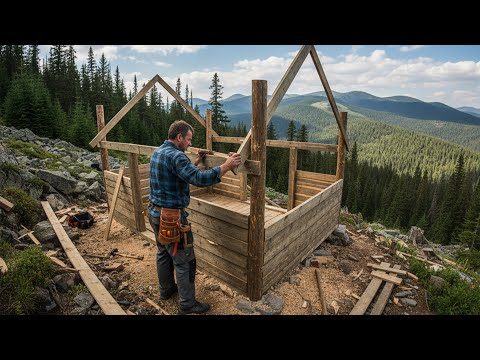
Lumber grading systems exist to help builders identify the structural integrity and appearance quality of building wood at a glance. In North America, the Western Wood Products Association (WWPA) and the National Hardwood Lumber Association (NHLA) establish grading standards that manufacturers must follow.
For softwood framing lumber, the most common grades include:
- #2 and Better — The workhorse grade for residential framing. It contains some knots and minor defects but maintains structural integrity for most load-bearing applications.
- #1 Grade — Fewer defects and tighter grain, often used for visible structural elements or where higher aesthetic standards apply.
- Stud Grade — Specifically graded for use as vertical framing members. These boards are limited in length (typically 8 or 9 feet) but are cost-effective for wall construction.
- Select Structural — The highest softwood grade, with minimal defects and maximum strength ratings, used in critical structural applications and heavy timber construction.
Building Wood Grades and Standards Comparison
Not all lumber is created equal, and understanding grading tables helps you avoid overpaying for unnecessary quality or under-specifying for safety requirements.
| Grade | Best Use | Typical Defects | Cost Relative |
| Select Structural | Critical beams, heavy timber | Minimal knots, tight grain | Highest |
| #1 Grade | Visible framing, trim | Small knots, minor warp | High |
| #2 and Better | Standard residential framing | Knots, splits allowed | Moderate |
| Stud Grade | Wall studs, non-structural | Larger knots, wane allowed | Low |
| Utility Grade | Temporary bracing, packing | Significant defects | Lowest |
Practical Tips for Working with Building Wood
Even the best building wood will underperform if it’s stored, handled, or installed incorrectly. Here are expert recommendations that separate a good build from a great one:
- Acclimate Your Lumber — Store building wood on-site for at least 48 to 72 hours before installation. This allows the moisture content to equalize with the surrounding environment, reducing the risk of warping or buckling after the project is complete.
- Check for Moisture Content — Use a pin-type or pinless moisture meter to verify that framing lumber reads between 15% and 19% moisture content for interior work, and below 19% for exterior applications.
- Inspect Before Purchase — Walk through the lumber stack at the yard. Look for bowed, twisted, or cracked boards. Reject any piece that exceeds allowable warp tolerances for your project grade.
- Pre-Drill When Necessary — Dense species like oak and maple can split easily if driven with screws without pilot holes. Pre-drilling saves wood and frustration.
- Protect End Grain — Cut ends are the most vulnerable to moisture absorption. Apply end sealer or a coat of polyurethane to freshly cut building wood edges to prevent checking and splitting.
- Use Proper Fasteners — Always match your fasteners to the wood species. Stainless steel or coated galvanized screws prevent corrosion when building with acidic woods like cedar or pressure-treated pine.
Common Mistakes When Selecting Building Wood
Even experienced builders occasionally make mistakes when choosing construction lumber. Avoid these pitfalls to keep your project on track:
- Ignoring Moisture Content — Installing green or wet lumber can lead to dramatic shrinkage, gaps, and structural movement once the wood dries out.
- Underestimating Span Requirements — Choosing lumber that’s too thin or too short for the span it needs to cover is a common and dangerous error. Always reference span tables provided by your local building authority or engineering resources.
- Skimping on Treatment — Using untreated lumber in ground contact or high-moisture environments invites rot, insect damage, and premature failure. Pressure-treated building wood is inexpensive insurance against these problems.
- Overlooking Grain Direction — Cutting or fastening against the grain weakens joints and increases the likelihood of splitting. Always pay attention to grain orientation during cutting and nailing.
- Buying All the Same Species — Different parts of a structure have different demands. Using a single species for every application can mean over-engineering some areas and under-specifying others.
Best Building Wood for Popular Home Projects
Different projects demand different building wood species and grades. Here’s a quick reference for common residential applications:
| Project | Recommended Species | Recommended Grade | Key Reason |
| Wall Framing | SPF or Southern Yellow Pine | #2 and Better or Stud | Strength and cost efficiency |
| Decking | Cedar, Redwood, or Pressure-Treated Pine | Select or #1 | Moisture and rot resistance |
| Exposed Beams | Douglas Fir or Oak | #1 or Select Structural | Aesthetics plus structural strength |
| Flooring | Oak, Maple, or Hickory | FAS (First and Seconds) | Hardness and visual appeal |
| Outdoor Furniture | Cedar, Teak, or Cypress | Select or Better | Natural weather resistance |
FAQ: Long-Tail Keyword Questions About Building Wood
1. What is the best building wood for outdoor deck construction?
Cedar and pressure-treated pine are the most popular choices for outdoor decking. Cedar offers natural beauty and resistance to decay without chemical treatment, while pressure-treated pine delivers superior durability at a lower cost. For premium performance, tropical hardwoods like Ipe and Teak withstand decades of outdoor exposure with minimal maintenance.
2. How do I know if building wood is pressure-treated and safe for indoor use?
Pressure-treated lumber is stamped with a tag at the end of each board indicating the treatment type. For indoor use, look for lumber treated with ACQ (Alkaline Copper Quaternary) or CA (Copper Azole), which are considered safe for interior applications. Avoid using lumber stamped “CA-CA” or older CCA-treated wood in living spaces or areas with frequent human contact.
3. What’s the difference between kiln-dried and air-dried building wood?
Kiln-dried lumber is dried in a controlled oven environment to a target moisture content, typically around 6% to 8% for interior use. Air-dried lumber is stacked and allowed to dry naturally over weeks or months, usually reaching 15% to 20% moisture content. Kiln-dried building wood is more stable, less prone to warping, and preferred for interior projects, while air-dried wood is often used for outdoor construction or timber framing where slight movement is expected and managed.
4. Can I use construction-grade softwood for furniture building?
Yes, construction-grade softwood like Douglas fir or Southern yellow pine can be used for furniture, but you’ll need to account for its visible knots, rougher surface, and softer density. For rustic-style furniture, construction lumber adds character. For fine furniture, you’ll want to upgrade to select or premium grades and consider sanding and finishing techniques to achieve a polished look.
5. How long does pressure-treated building wood last outdoors?
Pressure-treated lumber rated for ground contact can last 25 to 40 years or more when properly installed and maintained. The longevity depends on the treatment level (UC4A for ground contact, UC4B for ground contact with higher retention), local climate, and whether the wood has been given adequate time to dry and cure before applying stain or sealant.
6. What does FAS mean when buying hardwood building wood?
FAS stands for “Firsts and Seconds,” the highest grade in the NHLA hardwood lumber grading system. FAS lumber must yield at least 83-1/3% clear cutting surface on its worst face, with minimum board dimensions typically starting at 6 feet by 8 inches. It’s the standard for fine woodworking, cabinetry, and any application where clear, defect-free wood is essential.
Final Thoughts on Building Wood
Building wood is far more than just a material—it’s the foundation of every successful construction project. From understanding the differences between softwood framing lumber and hardwood finishing stock, to selecting the right grades for each application, the knowledge you invest in before you build pays dividends in quality, safety, and durability. Take the time to inspect your lumber carefully, store it properly, and match each species and grade to the demands of the job. When you get it right, the result is a structure that performs beautifully and lasts for generations.
Whether you’re framing a new home, constructing a garden pergola, or crafting custom hardwood furniture, the principles remain the same: choose the right wood for the right purpose, respect the material’s natural properties, and build with confidence knowing your choices are backed by solid knowledge. Happy building.