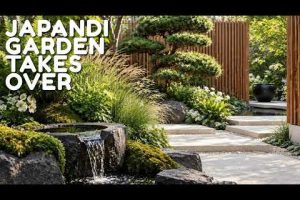
Designing a Japanese garden is far more than arranging plants and stones—it is an ancient art form rooted in philosophy, spirituality, and deep respect for nature. Whether you have a sprawling backyard or a modest urban courtyard, creating a Japanese-inspired outdoor space can transform your property into a tranquil sanctuary. This guide walks you through every aspect of how to design a Japanese garden that feels authentic, balanced, and deeply serene. From selecting the right rocks and water features to choosing plants that evoke seasonal beauty, we cover everything you need to bring this timeless aesthetic to life.
Understanding the Philosophy Behind Japanese Garden Design
Before you dig a single hole or place a single stone, it is essential to understand the philosophical foundation that defines Japanese garden design. Every element in a traditional Japanese garden carries symbolic meaning and serves a deliberate purpose. These gardens are not simply decorative—they are meditative spaces designed to evoke harmony, contemplation, and inner peace.
Core Principles That Guide Every Decision

The design principles of a Japanese garden revolve around several interconnected concepts:
- Wabi-Sabi — The beauty of imperfection, impermanence, and the natural passage of time. This principle encourages you to embrace weathered wood, moss-covered stones, and asymmetrical layouts rather than追求 perfection.
- Ma — The concept of meaningful negative space. Empty areas are just as important as filled ones, creating breathing room and visual rest.
- Shakkei — Borrowed scenery, where the surrounding landscape is incorporated into the garden’s composition, making the boundary between your garden and nature dissolve.
- Fukinsei — Asymmetrical balance, which mimics the organic irregularities found in nature rather than rigid symmetry.

When you internalize these principles, your garden design decisions become more intuitive. Every plant placement, every stone arrangement, and every pathway curve will feel purposeful and connected to a larger vision.
Essential Elements of a Japanese Garden
A well-designed Japanese garden combines several core elements that work together to create a cohesive sensory experience. Understanding each component is critical whether you are building from scratch or redesigning an existing space.
Water Features: The Flow of Life Energy
Water is central to Japanese garden symbolism, representing purification, renewal, and the flow of life energy known as ki. Common water features include:
- Koi ponds — Deep, still ponds stocked with colorful koi fish symbolize perseverance and abundance.
- Bamboo spouts (shishi-odoshi) — These rhythmic deer scarers create gentle sounds that enhance the meditative atmosphere.
- Stone basins (tsukubai) — Low stone basins with flowing water serve both functional and symbolic purposes in tea garden settings.
- Stream beds — Meandering streams with carefully placed stepping stones evoke natural mountain waterways.
Even if space is limited, a small recirculating water basin or a simple tabletop bamboo fountain can introduce the calming presence of water to your design.
Stone and Rock Arrangements
Stones are considered the backbone, or skeleton, of a Japanese garden. The placement of rocks is one of the most critical skills in Japanese landscape design. Different rock types carry different meanings:
- Vertical stones represent mountains, stability, and strength.
- Horizontal stones symbolize the earth and groundedness.
- Arching stones suggest bridges between worlds or transitions.
- Flat stepping stones (tobi-ishi) create intentional walking paths that slow your pace and sharpen awareness.
Always select stones with natural texture and irregular shapes. Avoid polished or uniform rocks, which disrupt the organic aesthetic. Position rocks in odd-numbered groupings—three, five, or seven—to reflect the natural asymmetry valued in Japanese aesthetics.
Plants and Trees for Seasonal Interest
Plant selection in a Japanese garden prioritizes seasonal change, texture, and form over bright floral display. Consider these essential plant categories:
- Maples (momiji) — Cherished for their dramatic autumn foliage in shades of crimson and gold.
- Pine trees — Symbols of longevity and resilience; they provide year-round structure.
- Bamboo — Adds movement, sound, and vertical elegance while representing flexibility.
- Moss — Creates lush green carpets that thrive in shaded, moist areas.
- Cherry blossoms (sakura) — Ephemeral spring blooms that embody the beauty of transience.
- Japanese maples, azaleas, and hydrangeas — Provide layered color and texture throughout the growing season.
Group plants in naturalistic clusters rather than rows. Allow some to grow freely and moss to colonize neglected areas—this reinforces the wild, untamed quality of nature that Japanese gardens celebrate.
Popular Japanese Garden Styles and How to Choose
Not all Japanese gardens look the same. Different styles serve different purposes and suit different spaces. Understanding the major styles will help you choose the approach that aligns with your available area and personal vision.
| Garden Style | Key Features | Best Suited For |
| Karesansui (Dry Rock Garden) | Raked gravel, carefully placed rocks, minimal vegetation | Small spaces, courtyards, meditation areas |
| Tsukiyama (Hill and Pond) | Man-made hills, ponds, streams, bridges, islands | Larger properties, traditional backyards |
| Chaniwa (Tea Garden) | Stepping stones, stone lanterns, water basin, rustic path | Meditative spaces, garden entrances |
| Tsuboniwa (Courtyard Garden) | Compact, enclosed, water features, moss, stones | Urban homes, narrow spaces |
| Roji (Path Garden) | Stepping stones, gates, lanterns, leading to tea house | Garden pathways and transitions |
If you are a beginner with limited outdoor space, a tsuboniwa or karesansui garden offers the most manageable entry point. These styles require fewer plants and less maintenance while still delivering the quintessential Japanese atmosphere. Intermediate gardeners might explore tsukiyama designs, which allow for more creative expression with hills, water, and plant layering. Advanced practitioners often combine multiple styles, integrating a tea garden path into a larger hill-and-pond composition for a truly immersive experience.
Step-by-Step Guide to Designing Your Japanese Garden
Turning your vision into reality requires a systematic approach. Follow these steps to ensure your Japanese garden design is thoughtful, functional, and aesthetically cohesive.
- Assess your space and climate. Measure your available area and observe sunlight patterns throughout the day. Japanese gardens can adapt to partial shade, but knowing your light conditions will guide your plant choices.
- Define the purpose and focal point. Decide whether your garden is meant for meditation, quiet reflection, social gatherings, or purely visual appreciation. Every successful design has a strong focal point—a large rock, a koi pond, a carefully pruned pine—that draws the eye and anchors the composition.
- Plan the layout with a grid of odd numbers. Sketch a rough plan using triangles and uneven groupings. Avoid anything that feels balanced in a Western, symmetrical way. Draw pathways that curve gently rather than in straight lines.
- Select your hardscape materials first. Choose your primary stones, gravel type, and any water basin or lantern elements. These form the structural foundation and should be selected before planting.
- Build the framework—rocks, paths, and water. Lay out your stones, construct any water features, and set stepping stones. This is the phase where patience pays off. Rearrange stones multiple times until the arrangement feels natural and balanced.
- Add plants strategically. Use trees and shrubs for height and structure at the back, mid-height plants for the middle layer, and ground cover or moss at the front.
- Incorporate symbolic accessories. Stone lanterns (tōrō), bamboo fences, wooden gates, and shishi-odoshi water features add cultural depth and authenticity.
- Refine and maintain. Rake gravel patterns regularly, prune trees to maintain their natural form, and remove any plant that disrupts the garden’s balance.
Expert Tips for Achieving Authenticity
Even with the best plan, small details make the difference between a generic outdoor space and a genuinely Japanese garden. Here are expert recommendations that elevate your design:
- Never line up stones in a row. Stagger them at different depths and angles to mimic natural erosion patterns.
- Use gravel raking as a meditative practice. In karesansui gardens, the raked patterns represent water ripples and are designed to be enjoyed as much as they are to look at.
- Incorporate sound elements. The gentle trickle of water, the click of bamboo on stone, and the rustle of wind through bamboo all contribute to the garden’s sensory richness.
- Embrace aging and patina. Allow wood to weather naturally. Do not seal or stain stones. Time enhances the beauty of authentic materials.
- Design for all four seasons. Choose plants that offer something visually compelling in spring, summer, autumn, and winter so your garden never feels dormant or empty.
Common Mistakes to Avoid When Designing a Japanese Garden
Even enthusiastic gardeners can stumble when attempting Japanese garden design. Avoid these frequent pitfalls:
- Using too many different plant species, which creates visual clutter rather than serene simplicity.
- Overcrowding the space with accessories like too many lanterns or figurines.
- Ignoring the importance of gravel and ground cover—bare soil looks unfinished in this style.
- Placing rocks in even-numbered groups, which contradicts the fundamental asymmetry of Japanese aesthetics.
- Underestimating the role of maintenance—Japanese gardens demand regular, attentive care to retain their intentional appearance.
Conclusion
Designing a Japanese garden is a deeply rewarding journey that connects you with centuries of cultural wisdom and artistic expression. By honoring the principles of balance, simplicity, and reverence for the natural world, you can create an outdoor space that nurtures both the landscape and the spirit. Start with a clear vision, invest in quality materials, and allow the garden to evolve over time. Remember that a true Japanese garden is never truly finished—it is a living artwork that changes with the seasons, inviting you to slow down, observe, and find stillness in every raked line and stone placement.
Frequently Asked Questions
1. What are the most important elements needed to design a Japanese garden?
The most important elements include carefully selected rocks and stones, a water feature such as a koi pond or bamboo spout, gravel or sand for raking, strategically chosen plants that offer seasonal interest, and symbolic accessories like stone lanterns or bamboo fences. Each element contributes to the garden’s balance, tranquility, and connection to nature.
2. How much space do you need to create a Japanese garden?
Japanese gardens can be adapted to virtually any space. A tsuboniwa courtyard garden can thrive in as little as 10 to 15 square feet, while a full tsukiyama hill-and-pond garden may require several hundred square feet. The key is not square footage but thoughtful composition and the intentional placement of every element.
3. What plants are best suited for a small Japanese garden design?
For small spaces, focus on compact varieties such as dwarf Japanese maples, compact pines, azaleas, moss, bamboo, and low-growing ground covers. These plants provide texture, color, and seasonal interest without overwhelming a limited area. Prioritize plants that offer multi-season appeal so your small garden stays visually engaging year-round.
4. How do you maintain an authentic Japanese garden over time?
Maintaining authenticity requires consistent raking of gravel patterns, seasonal pruning of trees to preserve their natural form, regular removal of debris, moss care, and water feature maintenance. Avoid heavy chemical treatments that disrupt the natural ecosystem. Embrace gradual aging of materials like wood and stone, as patina enhances the garden’s authenticity.
5. Can a Japanese garden be designed on a budget?
Absolutely. Many essential elements—gravel, locally sourced stones, native moss, and bamboo—can be acquired affordably. Focus on quality over quantity, using fewer but more carefully selected materials. A beautifully designed karesansui garden using just gravel, a few stones, and ground cover can be achieved on a modest budget while still delivering the meditative quality of a traditional Japanese garden.