Building a home that truly reflects who you are requires more than picking a floor plan off a catalog. Custom home design is a deeply personal journey that blends your lifestyle, aesthetic preferences, functional needs, and long-term goals into a single, cohesive structure. Unlike purchasing a production home or choosing from a limited set of stock plans, custom home design gives you complete creative control over every square foot, every material, and every detail. Whether you are a first-time builder exploring what is possible or a seasoned homeowner refining your dream residence, understanding the custom home design process is the foundation for achieving a space that feels genuinely yours.
What Is Custom Home Design and Why It Matters
Custom home design refers to the process of creating a residential floor plan and architectural vision from the ground up, tailored specifically to the homeowner’s preferences, site conditions, and budget. This approach involves collaborating with architects, designers, and builders to craft a home that is unlike any other on the market. The importance of custom design cannot be overstated, especially for homeowners who value uniqueness, energy efficiency, and personalized functionality.
When you invest in a bespoke home design, you are not just buying a house — you are commissioning a living environment engineered around your daily routines. From the placement of windows to capture optimal natural light, to the flow between kitchen and living spaces that accommodates how your family actually moves through the day, every decision is intentional. This level of personalization leads to homes that age gracefully and remain satisfying for decades.
Key Principles of Custom Home Design
Successful custom home design rests on several foundational principles that separate well-executed projects from costly disappointments. Understanding these core concepts early in the process will save you time, money, and frustration.
Architectural Style Selection

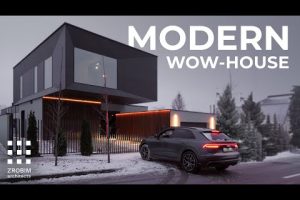
Choosing an architectural style is often the first creative decision in custom home design. Styles range from modern minimalist and mid-century contemporary to Mediterranean, Craftsman, Georgian, and prairie-inspired aesthetics. The right style should complement the surrounding landscape, neighborhood character, and your personal taste. Consider factors like roof pitch, exterior materials, window proportions, and trim detailing when finalizing your vision.
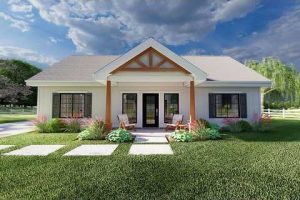
Many homeowners are now blending architectural styles to create hybrid designs — pairing the clean lines of modern architecture with the warmth of Craftsman detailing, for example. This fusion approach is increasingly popular among those who want a home that feels both current and timeless.
Floor Plan Optimization
The floor plan is the beating heart of any custom home design. An optimized layout considers traffic flow, room adjacency, storage, natural ventilation, and future adaptability. Key strategies include:
- Placing the kitchen and dining areas centrally to encourage social interaction
- Designating quiet zones on upper floors for bedrooms and home offices
- Creating open-concept gathering spaces while preserving acoustic privacy where needed
- Incorporating built-in storage to maximize usable square footage
- Designing hallways and transitions that minimize wasted space
Experienced designers also think about multi-generational living, aging-in-place features, and how the home might accommodate lifestyle changes over the next twenty years.
The Custom Home Design Process Step by Step
The custom home design journey follows a structured path from initial concept to finished construction documents. Each phase demands careful attention and informed decision-making.
- Discovery and Needs Assessment: Work with your architect or designer to identify your non-negotiable requirements — number of bedrooms, desired square footage, special rooms, and lifestyle priorities.
- Site Analysis: A thorough evaluation of your building lot, including topography, soil conditions, solar orientation, prevailing winds, and local zoning regulations.
- Schematic Design: The architect develops preliminary sketches and conceptual layouts that translate your needs into spatial arrangements.
- Design Development: Refined drawings that specify materials, structural systems, mechanical systems, and approximate dimensions.
- Construction Documents: Detailed technical drawings and specifications that contractors use to bid on and execute the build.
- Permitting and Approval: Submitting plans to local authorities for building permits and compliance with municipal codes.
- Construction Administration: Ongoing collaboration between designer and builder to ensure the final product matches the design intent.
Each phase builds upon the last, and skipping or rushing through any step often leads to expensive redesigns or construction errors down the road.
Budgeting for a Custom Home Design
One of the most common questions homeowners ask is, “How much does custom home design cost?” The answer varies widely based on project complexity, geographic location, and the professional you hire. On average, architectural design fees for custom homes range from 8% to 15% of total construction costs. Some designers charge flat fees, while others bill hourly or as a percentage.
To get the most value from your design budget, consider these expert tips:
- Define your must-haves versus nice-to-haves before the design phase begins
- Invest in a detailed site survey to avoid costly surprises during construction
- Request multiple design proposals to compare approach and pricing
- Use value engineering strategically to maintain design quality within budget
- Plan for contingencies — most custom projects encounter 10% to 15% in unexpected costs
Remember that a well-crafted custom design often pays for itself through reduced construction waste, lower energy bills, and higher resale value.
Custom Home Design vs. Production Home Plans
Understanding the difference between custom home design and production home plans is essential for setting realistic expectations. Production homes are designed for efficiency — architects create a limited set of floor plans that are repeated across many neighborhoods with minor variations. Custom home design, by contrast, produces a one-of-a-kind blueprint tailored exclusively to your land and lifestyle.
The table below highlights the key differences:
| Feature | Custom Home Design | Production Home Plans |
| Uniqueness | One-of-a-kind design | Repeated across developments |
| Personalization | Fully tailored to homeowner | Limited customization options |
| Cost | Higher design and build costs | Lower upfront cost |
| Timeline | Longer design and build process | Faster turnaround |
| Energy Efficiency | Optimized for site and climate | Standardized efficiency features |
| Resale Value | Often higher due to uniqueness | Comparable to neighborhood averages |
| Flexibility for Changes | Highly adaptable throughout process | Limited to available options |
For homeowners who prioritize individuality, quality craftsmanship, and long-term satisfaction, custom home design is almost always the superior choice, even with the higher initial investment.
Popular Custom Home Design Trends in 2024 and Beyond

The custom home design landscape is evolving rapidly, driven by changing lifestyles, environmental awareness, and advances in building technology. Several trends stand out among today’s most sought-after design elements.
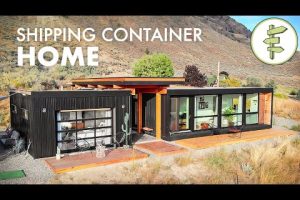
Sustainable and Passive Design: Homeowners are increasingly requesting designs that minimize environmental impact through passive solar orientation, high-performance insulation, and natural ventilation strategies. These designs reduce long-term operating costs while improving indoor comfort.
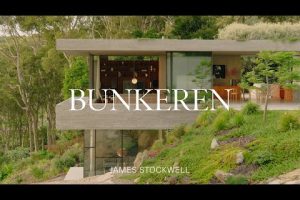
Indoor-Outdoor Living: Expansive glass walls, covered patios, and seamless transitions between interior and exterior spaces continue to dominate custom home design. Homeowners want their living areas to extend into the landscape, blurring the boundary between inside and outside.
Smart Home Integration: From automated lighting and climate control to whole-home energy monitoring systems, technology is woven into custom designs from the earliest planning stages rather than retrofitted after construction.
Multi-Functional Spaces: The rise of remote work has driven demand for flexible rooms that can serve as home offices, guest suites, or creative studios depending on the day’s needs.
Natural Materials: Exposed timber, stone, and rammed earth walls are trending as homeowners seek warmth, texture, and a connection to nature within their living spaces.
Expert Tips for a Successful Custom Home Design Project
Drawing from years of experience in residential architecture, here are practical recommendations that can make or break your custom home design project:
- Start with your lifestyle, not your Pinterest board. Your daily routines should drive the design, not trends.
- Hire an architect who specializes in custom residential work, not just a general draftsperson.
- Walk your building site with your designer before any drawings begin. The land tells you what the house should be.
- Communicate openly about budget constraints from day one. Good designers work creatively within financial boundaries.
- Invest in quality over quantity. A smaller, beautifully designed home often brings more joy than a larger, mediocre one.
- Think about the future — design for the life you want in five, ten, and twenty years.
Frequently Asked Questions
What is the average timeline for a custom home design project?
The custom home design process typically takes between three and six months from initial consultation to completed construction documents, depending on project complexity and the number of design revisions required. Factoring in permitting and construction, the entire journey from concept to move-in usually spans twelve to twenty-four months.
How do I find the right architect or designer for my custom home project?
Start by researching local firms that specialize in residential custom design and reviewing their portfolios for projects similar to your vision. Schedule consultations with at least three professionals, and ask about their design philosophy, fee structure, and references from past clients. A strong rapport and clear communication are just as important as technical skill.
Can I design a custom home on a tight budget?
Absolutely. Custom home design does not have to be extravagant. Many successful projects are achieved on modest budgets by focusing on efficient floor plans, smart material choices, and eliminating unnecessary complexity. The key is working with a designer who understands value engineering and can prioritize your spending where it matters most.
What are the most important elements to include in a custom home floor plan?
Prioritize functional flow between key living areas, adequate natural lighting in every room, sufficient storage, a well-designed kitchen that serves as the home’s social hub, and flexible spaces that can adapt to changing needs over time. These elements consistently rank as the most impactful features in custom home design satisfaction surveys.
How much does it cost to hire an architect for custom home design?
Architectural fees for custom residential projects typically range from 8% to 15% of total construction costs, though this varies by region, project scope, and the professional’s experience level. Some designers offer phased payment structures that align with project milestones, making the investment more manageable over time.
Is custom home design worth the extra cost compared to buying a production home?
For most homeowners who plan to stay in their home long-term, the answer is yes. Custom design delivers superior energy performance, personalized functionality, higher-quality craftsmanship, and often stronger resale appeal. The upfront investment pays dividends in daily comfort and long-term financial return.
Conclusion
Custom home design is far more than an architectural exercise — it is an investment in your quality of life, your identity, and your future. By approaching the process with clear priorities, a collaborative mindset, and a willingness to think creatively, you can transform a piece of land into a home that feels impossibly perfect. The journey requires patience, research, and trust in your design team, but the reward is a living space that no production model could ever replicate. Start planning today, and take the first step toward a home that is uniquely, unmistakably yours.