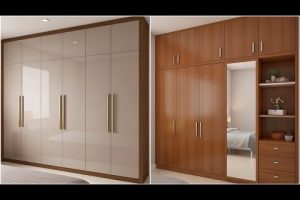
Your bedroom is more than just a place to sleep — it’s your personal sanctuary, the one room in your home where rest, creativity, and recovery converge every single day. Whether you’re renovating a guest room from scratch or reimagining your master suite, the right bedroom ideas and designs can completely transform not just the look of your space, but the quality of your sleep and everyday mood. In this comprehensive guide, we’ll walk through bedroom design inspiration for every budget, every style preference, and every room size — from cozy small bedroom solutions to luxury-level master bedroom makeovers. If you’ve been searching for actionable bedroom design tips that go beyond generic Pinterest boards, you’re in the right place.
Bedroom Ideas and Designs for Every Lifestyle
Great bedroom design starts with self-awareness. What do you need from your room? A minimalist might prioritize clean sightlines and open floor space, while a parent may need a flexible layout that accommodates both a nursery and a reading nook. The best bedroom decor ideas balance aesthetics with livability. Below are several trending directions that continue to dominate interior design conversations in 2024 and beyond.
Modern Bedroom Design Trends
Contemporary bedroom design leans into clean geometry, muted palettes, and statement textures. Think platform beds with low profiles, floating nightstands, and integrated LED lighting concealed behind headboards or along baseboards. Earth tones — warm beige, terracotta, olive green — have largely replaced the stark whites and cool grays that defined the previous minimalist wave. This approach works beautifully for modern bedroom design enthusiasts who want a space that feels curated, not cluttered.
Key elements of the modern aesthetic include:
- Low-profile platform beds with hidden storage drawers
- Large-format wall art or oversized mirrors to create depth
- Layered lighting: ambient ceiling fixtures, task reading lamps, and mood accent lights
- Natural materials like linen, oak, and brushed metal hardware
Classic and Traditional Bedroom Styles
For those who find warmth in symmetry and richness in detail, traditional bedroom designs remain timeless. Heavy wooden bed frames with carved detailing, layered quilts, and matching dresser sets create a sense of continuity. The traditional bedroom design approach often pairs brass or nickel fixtures with patterned wallpaper and Persian-inspired area rugs. While some dismiss this style as old-fashioned, thoughtful updates — like swapping a heavy brass chandelier for a modern pendant — keep the room feeling relevant.
Small Bedroom Ideas to Maximize Every Square Foot
Small bedrooms present one of the most common design challenges. Limited floor space doesn’t mean limited potential. In fact, some of the most impressive small bedroom design transformations come from people who refused to accept cramped quarters as a final verdict.
Storage Solutions for Compact Rooms
Storage is the backbone of any functional small bedroom. Here’s what works according to professional organizers and interior designers:
- Under-bed storage: Rolling drawers or lift-up storage beds reclaim wasted cubic footage.
- Wall-mounted shelving: Floating shelves above the headboard free up nightstand real estate.
- Doors as organizers: Over-door shoe racks or hanging organizers exploit vertical space often overlooked.
- Multi-functional furniture: A desk that folds into a wall-mounted shelf, or a dresser that doubles as a TV stand, reduces furniture count.
Color and Lighting Tricks for Small Spaces
Light colors reflect light, making walls feel farther apart. Soft whites, pale blues, and blush pinks all open up a room visually. Pair these with a single large mirror positioned opposite a window to double the perceived depth. Avoid overhead lighting alone — instead, use a combination of wall sconces and a slim pendant light to eliminate visual bulk from the ceiling. These bedroom layout ideas prove that perception is half the battle.
Master Bedroom Design Tips for a Restful Retreat

The master bedroom deserves special attention because you’ll spend roughly one-third of your life in it. Designing a luxury bedroom isn’t about spending exorbitant amounts — it’s about making intentional choices that promote rest and relaxation. Below are the factors interior designers consistently emphasize.
Choosing the Right Color Palette
Color psychology plays a significant role in sleep quality. Studies from the National Sleep Foundation suggest that bedrooms painted in cool, soft tones — blues, greens, and lavenders — tend to promote longer, more restful sleep compared to bold or warm colors like red or bright orange. For a sophisticated feel, consider a monochromatic scheme: varying shades of the same color across walls, bedding, and curtains. This approach delivers depth without visual noise, an essential quality in any sleep sanctuary design.
Bedding and Textile Selection
Your bedding is the single most touched element in the room. Invest in high-thread-count cotton, bamboo, or Tencel sheets for breathability. Layer with a quality duvet, a lighter coverlet for warmer months, and plush throw pillows that add dimension. The bedroom styling rule of thumb is three layers: fitted sheet, duvet or comforter, and a decorative quilt or coverlet on top. Texture mixing — combining linen, velvet, and cotton — adds richness without overwhelming the visual field.
Bedroom Layout Ideas and Floor Plan Considerations
Where you place your bed within the room changes the entire flow. The most universally recommended placement positions the bed on the longest wall, centered beneath the largest window if possible, giving you natural light during waking hours. Avoid placing the bed directly in line with the door — a principle borrowed from Feng Shui, but backed by practical psychology: entering a room and seeing your bed immediately can subtly affect your sense of privacy.
For bedroom floor plan optimization, consider these layout strategies:
- Symmetrical layout: Matching nightstands and lamps on either side create visual calm.
- Asymmetrical layout: A dresser on one side and a reading chair on the other adds functional variety.
- Zone-based layout: Dividing the room into sleep, dressing, and relaxation zones works well in large master suites or studio apartments.
Bedroom Design on a Budget: Practical Recommendations
Redesigning your bedroom doesn’t require a contractor or a windfall. Many of the most impactful changes are surprisingly affordable. Here’s a prioritized list for anyone pursuing affordable bedroom design:
- Swap your bedding first: A fresh duvet set and pillow shams can redefine the room’s look for under $150.
- Repaint the walls: A single coat of a complementary tone refreshes everything for roughly $40–$60 in materials.
- Update hardware: New drawer pulls, curtain rods, and light switch plates are inexpensive but noticeable.
- Add one statement piece: A large piece of wall art, a vintage rug, or a stylish headboard becomes the room’s anchor.
- Rearrange furniture: Simply shifting your bed, dresser, or nightstands to different walls can deliver a completely fresh perspective.
The key insight here is that perceived transformation doesn’t require total replacement — it requires strategic change.
Advanced Bedroom Design Strategies
Once you’ve covered the fundamentals, consider these more nuanced approaches that separate good bedrooms from exceptional ones.

Acoustic and Thermal Comfort
Sound and temperature directly influence sleep architecture. Heavy curtains with thermal backing serve double duty: they block outside noise and regulate room temperature. If you’re in a noisy urban environment, consider adding fabric panels or upholstered headboard wings that absorb sound reflections. Room temperature should ideally sit between 60–67°F (15–19°C) for optimal sleep. Bedroom interior design at this level integrates science with aesthetics.
Smart Home Integration
Automated blackout shades, smart lighting systems that dim on a schedule, and smart thermostats programmed for nighttime temperature drops represent the cutting edge of bedroom design. These integrations don’t just add convenience — they build consistent environmental cues that help your brain associate the bedroom exclusively with sleep. This is bedroom decoration meeting functional technology.
Comparison: Bedroom Design Styles at a Glance
| Style | Best For | Key Materials | Color Range | Budget Level |
| Modern | Minimalists, young professionals | Oak, linen, brushed metal | Earth tones, soft neutrals | Moderate |
| Traditional | Classic aesthetics, families | Dark wood, brass, patterned fabrics | Rich jewel tones, cream, burgundy | Moderate to High |
| Scandinavian | Small spaces, budget-conscious | Pale wood, cotton, jute | White, light gray, pale blue | Low to Moderate |
| Luxury | Master suites, relaxation focus | Velvet, marble, silk, solid brass | Deep tones, metallic accents | High |
| Boho | Creative personalities, eclectic taste | Macramé, rattan, layered textiles | Warm terracotta, mustard, olive | Moderate |
Final Thoughts on Bedroom Ideas and Designs
Designing your bedroom is a deeply personal process, but it doesn’t have to be overwhelming. Start with the fundamentals — a bed placement that feels right, a color palette that calms you, and bedding that invites you to sleep. Then layer in style, storage, and smart technology at your own pace. Whether you’re working with a studio apartment bedroom or a spacious master suite, the principles remain the same: intentionality, comfort, and balance. The best bedroom ideas and designs are always the ones that reflect the people who sleep in them. Take your time, trust the process, and remember — every small change moves you closer to the restful retreat you deserve.
Frequently Asked Questions About Bedroom Ideas and Designs
What are the best bedroom ideas for small spaces?
For small bedrooms, prioritize multi-functional furniture like storage beds and wall-mounted shelves. Use light, neutral paint colors to make walls appear farther apart, and install a large mirror opposite your window to visually double the room’s depth. Vertical storage solutions and furniture with hidden compartments are essential for keeping floor space open and livable.
How do I choose a color scheme for my bedroom design?
Start by identifying the mood you want: cool tones like blue and green promote calm and better sleep, while warm tones like blush and terracotta create a cozy, intimate feel. A monochromatic approach — using varying shades of one color — is consistently recommended by interior designers because it creates depth without visual chaos. Always test paint samples on your actual wall before committing.
What bedroom layout works best for a rectangular room?
In a rectangular bedroom, placing your bed on the longest wall — ideally centered beneath the main window — creates the most balanced flow. Symmetrical nightstands on either side reinforce visual harmony. If the room allows, dedicate one short wall to a dresser or seating area to establish clear functional zones within the space.
How can I make my bedroom feel luxurious without spending too much?
Focus on tactile upgrades: high-quality bedding, a thick area rug underfoot, and layered curtains with thermal backing create immediate sensory richness. Swap standard light switches for modern dimmers, add one oversized piece of art above the headboard, and incorporate scented candles or essential oil diffusers. These relatively low-cost changes deliver a high-end perception.
What are the latest trends in master bedroom design for 2024?
Current trends include earth-tone palettes replacing stark minimalism, integrated ambient lighting behind headboards, biophilic design elements like indoor plants and natural wood textures, and smart home automation for lighting and temperature control. Oversized headboards serving as room anchors and textured wallpaper accent walls are also gaining significant popularity.
How important is lighting in bedroom design ideas?
Lighting is arguably the most transformative design element in any bedroom. A layered approach — combining ambient overhead light, task lighting for reading, and mood accent lighting — gives you full control over the room’s atmosphere. Warm-toned bulbs (2700K or lower) are recommended for bedrooms because they support melatonin production and signal to your brain that it’s time to wind down.