


Ana White woodworking plans have become a go-to resource for DIY enthusiasts who want to build beautiful, functional furniture and home projects without breaking the bank. If you are someone who has ever dreamed of crafting your own tables, shelves, or outdoor furniture but felt intimidated by complicated blueprints and expensive woodworking courses, Ana White’s free plans are designed specifically for people like you. Her approach combines simplicity, affordability, and real-world practicality, making her one of the most trusted names in the home woodworking community. In this comprehensive guide, we will dive deep into everything you need to know about Ana White’s woodworking plans, from what makes them unique to how you can get started on your very first project today.
Who Is Ana White and Why Are Her Woodworking Plans So Popular?
Ana White is a self-taught woodworker and DIY blogger who launched her website with a simple mission: provide free, easy-to-follow woodworking plans for everyday people. She started by designing furniture for her own home and documenting each project with detailed instructions, measurements, and photographs. Her relatable writing style and commitment to accessibility quickly attracted a massive following. Today, her website hosts hundreds of free plans covering everything from children’s furniture to heavy-duty outdoor benches. What sets Ana White apart from other woodworking plan creators is her focus on using common materials like pine, plywood, and MDF, which are readily available at most home improvement stores. This means you do not need a professional workshop or expensive tools to get started.
What Makes Ana White’s Plans Different From Other Free Woodworking Plans?
Many websites offer free woodworking patterns, but few match the level of detail and clarity that Ana White provides. Her plans typically include cut lists, material cost estimates, step-by-step photo tutorials, and downloadable PDF instructions. Here are the key factors that make her plans stand out:
- Clear, beginner-friendly instructions written in plain language
- Detailed cut lists and material specifications for every project
- Realistic cost breakdowns that help you budget accurately
- Step-by-step photo and video walkthroughs for visual learners
- Projects rated by difficulty level so you can choose appropriately
- Emphasis on using affordable, widely available lumber and supplies
Popular Categories of Ana White Woodworking Plans
Ana White’s project library spans a wide range of furniture categories, each designed with the DIYer in mind. Below are the most popular categories that have helped her build a loyal following worldwide.
Indoor Furniture Projects
Her indoor furniture plans are among the most downloaded resources on her website. Popular projects include platform beds, storage benches, coffee tables, nightstands, and bookshelves. Each plan specifies the wood dimensions, joinery methods, and finishing techniques needed to produce a polished result. Many of her indoor designs use pocket-hole joinery, which is accessible to beginners with a basic jig and some wood screws.
Outdoor and Garden Furniture
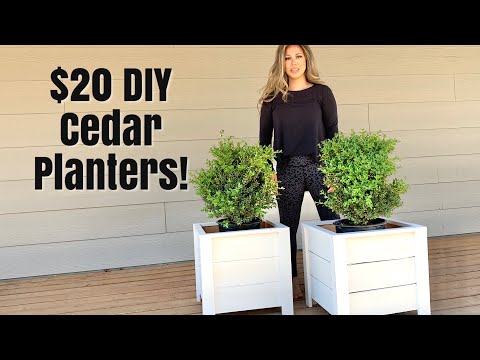
Outdoor projects like Adirondack chairs, picnic tables, deck swings, and garden planters are hugely popular in Ana White’s catalog. These plans account for weather resistance and include tips on using exterior-grade lumber and protective finishes. Her Adirondack chair plan, for example, has been one of her most shared projects because it uses simple straight cuts and minimal hardware.
Storage and Organization Solutions
From floating shelves and shoe racks to garage organizers and toy storage units, Ana White provides practical storage solutions that maximize space without requiring advanced woodworking skills. These projects are ideal for weekend builds and make excellent gift ideas.
Kids’ Furniture and Play Structures
Parents looking for safe, sturdy furniture for children will find Ana White’s kids’ plans especially valuable. Her play kitchens, treehouses, sandboxes, and toddler beds are designed with rounded edges, non-toxic finishes, and durable construction in mind.

Skill Level Breakdown: Beginner, Intermediate, and Advanced Projects
Understanding where you stand in your woodworking journey is essential when selecting a plan. Ana White categorizes her projects by difficulty, which helps you choose appropriately and avoid frustration.
| Skill Level | Typical Projects | Tools Required | Estimated Build Time |
| Beginner | Floating shelves, plant stands, simple benches | Drill, circular saw, measuring tape, sander | 2-4 hours |
| Intermediate | Platform beds, coffee tables, storage ottomans | Drill, miter saw, pocket-hole jig, router | 4-8 hours |
| Advanced | Complex storage cabinets, multi-tier shelving units | All intermediate tools plus planer, dovetail jig | 8-16 hours |
As a beginner, you should start with projects rated for your level and focus on mastering fundamental techniques like measuring accurately, making straight cuts, sanding surfaces, and applying finish. Intermediate builders can tackle projects that require more complex joinery and precise measurements. Advanced woodworkers will appreciate her more ambitious designs that incorporate custom features and refined aesthetics.
Materials and Cost Considerations for Ana White Plans
One of the biggest advantages of following Ana White’s plans is the transparency around material costs. She provides estimated budgets for each project, which helps you plan your purchases before visiting the lumber yard. Most of her projects use standard dimensional lumber, plywood sheets, and common hardware such as screws, dowels, and pocket-hole plugs. This keeps costs significantly lower than comparable furniture you would buy retail. For example, many of her platform bed plans cost less than $100 in materials, whereas a similar bed from a furniture store could run several hundred dollars or more.
Here are some expert tips for managing materials costs effectively:
- Always check your local lumber yard for discounted or blemished wood
- Purchase plywood in full sheets and cut your own parts to save money
- Buy screws and hardware in bulk to reduce per-project costs
- Consider using MDF or pine for painted projects and hardwood for stained pieces
- Plan your builds around seasonal sales at home improvement stores
Essential Tools You Will Need to Get Started
Before diving into your first Ana White woodworking project, make sure you have the essential tools on hand. You do not need a fully equipped professional shop to succeed. Here is a practical list of the tools most commonly required across her plans:
- Circular saw or table saw for cutting lumber to size
- Drill and driver for assembling joints and driving screws
- Measuring tape and carpenter’s square for accuracy
- Orbital sander for smoothing surfaces before finishing
- Pocket-hole jig for strong, hidden joinery
- Clamps for holding pieces securely during assembly
- Paintbrush or foam roller for applying stain or paint
Expert Tips for Succeeding with Ana White Woodworking Plans
Even with the best plans, success depends on how you approach the build. Here are some professional tips from experienced woodworkers who regularly use Ana White’s designs:
- Preaddress your lumber. Check every board for twists, warps, or bowing before you start cutting. Straight stock makes a massive difference in the final product.
- Invest in sharp blades. A dull saw blade causes tear-out and imprecise cuts. Replace or sharpen your blades regularly for cleaner results.
- Dry-fit everything first. Assemble your project without glue or screws to verify that all joints fit properly before committing permanently.
- Sand progressively. Start with 80-grit sandpaper, then move to 120-grit, and finish with 220-grit for a smooth surface ready for stain or paint.
- Take your time with measurements. Measure twice and cut once is not just a cliché; it is the single most important habit in woodworking that saves time and materials.
Where to Find Ana White Woodworking Plans
All of Ana White’s plans are available for free on her official website. You can browse by category, difficulty level, or project type to find the perfect build for your skill set. Many plans include downloadable PDF files with detailed diagrams and instructions you can print and keep in your workshop. Some plans also link to video tutorials on her YouTube channel, which provides an additional layer of visual instruction for those who prefer watching over reading.
Comparison: Ana White Plans vs. Paid Woodworking Plan Services
If you are wondering whether free plans are really worth it compared to paid alternatives, here is a helpful comparison.
| Feature | Ana White Plans (Free) | Paid Plan Services |
| Cost | $0 for all plans | $10-$50+ per plan |
| Difficulty Range | Beginner to Intermediate | All levels including advanced |
| Material Cost Estimates | Included with every plan | Varies by provider |
| Video Tutorials | Available for select projects | Often included |
| Community Support | Active comment sections and forums | Limited or membership-based |
| Project Variety | Hundreds of projects across categories | Depends on subscription tier |
While paid services may offer more advanced or niche designs, Ana White’s free plans deliver exceptional value for the vast majority of home woodworkers. Her plans cover the most common household furniture needs with enough detail and support to ensure successful builds.
Final Thoughts on Getting Started with Ana White Woodworking Plans
Whether you are a complete beginner picking up a saw for the first time or an experienced DIYer looking for fresh project inspiration, Ana White’s woodworking plans deliver real value. Her commitment to affordability, accessibility, and clear instruction has helped millions of people build furniture they are proud to show off in their homes. The best way to start is to choose one simple project, gather your materials, and follow the instructions step by step. You will be surprised at what you can create with basic tools, affordable materials, and well-designed plans that guide you every step of the way.
Frequently Asked Questions About Ana White Woodworking Plans
Are Ana White woodworking plans really free to download?
Yes, all of Ana White’s woodworking plans are available for free download on her official website. There are no subscription fees, hidden paywalls, or trial periods. You can access every plan at any time without providing payment information. Some plans also link to video tutorials on her YouTube channel at no additional cost.

What level of woodworking experience do you need to follow Ana White plans?
Ana White designs her plans with beginners in mind, so no prior woodworking experience is required. Each plan includes detailed instructions, photographs, and difficulty ratings. However, even intermediate and advanced woodworkers find value in her designs for quick weekend projects or inspiration for custom builds.
Can I sell furniture I build from Ana White woodworking plans?
Yes, Ana White permits personal use and small-scale commercial sales of furniture built from her plans. However, you should not reproduce, redistribute, or claim her plans as your own. If you plan to sell furniture commercially, it is always a good idea to review her terms and conditions directly on her website for the most current guidelines.
What type of wood is recommended for Ana White plans?
Most Ana White plans recommend using common, affordable lumber such as pine, spruce, poplar, plywood, or MDF. The specific wood type varies by project, and each plan lists the recommended material. For outdoor projects, she suggests using pressure-treated lumber or exterior-grade plywood to withstand weather exposure.
Do Ana White plans include a complete materials and tools list?
Yes, every Ana White woodworking plan includes a detailed materials list with specific dimensions, quantities, and estimated costs. A tools list is also provided so you know exactly what you need before starting. This transparency is one of the biggest reasons her plans are trusted by DIYers worldwide.
How accurate are the measurements in Ana White woodworking plans?
Ana White’s measurements are thoroughly tested and refined based on user feedback over many years. While minor adjustments may be needed depending on your specific materials and tools, the plans are highly accurate for their intended materials. Always double-check your measurements and dry-fit components before final assembly for the best results.