


An aesthetic room is more than just a space you sleep in — it is a carefully curated environment that reflects your personality, evokes emotion, and elevates your everyday experience. When people search for aesthetic room ideas or aesthetic room decor inspiration, what they are really looking for is a sense of harmony, beauty, and intentionality in their living space. Whether you are a college student decorating your first dorm, a young professional building a dream apartment, or someone simply looking to refresh your home, creating an aesthetic room can transform how you feel every single day you walk through the door.
In this comprehensive guide, we will walk you through everything you need to know about designing visually stunning, emotionally resonant spaces. From understanding the core principles behind aesthetic design to exploring specific styles like cozy, dark academia, and cottagecore, this article covers beginner fundamentals, intermediate techniques, and advanced strategies for those who want to push their room transformation to the next level.
What Is an Aesthetic Room?
An aesthetic room is a living space intentionally designed around a specific visual theme, color palette, mood, or lifestyle. Unlike conventional interior design, which prioritizes function first, an aesthetic room balances beauty and atmosphere with everyday practicality. The goal is to create a space that you find genuinely beautiful — a place that sparks joy, inspires creativity, and feels like a true extension of who you are.
The term “aesthetic” has exploded in popularity thanks to social media platforms like TikTok, Pinterest, and Instagram, where users share mood boards, room tours, and design experiments. This digital culture has given rise to aesthetic room trends that evolve rapidly but remain rooted in timeless design principles. The best aesthetic rooms are not just photo-ready — they are livable, comfortable, and deeply personal.
Core Principles of Aesthetic Room Design
Before diving into specific styles, it is essential to understand the foundational principles that make any aesthetic room work. These concepts apply whether you are going for a minimalist Scandinavian look or a maximalist vintage vibe.
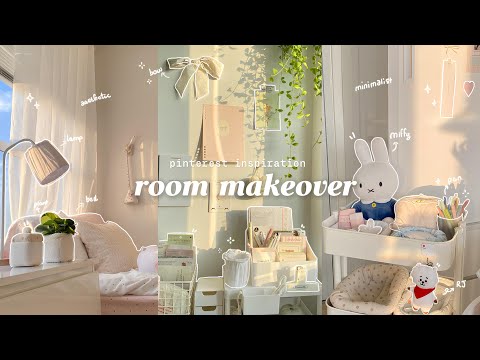
Color Psychology and Mood Setting
Color is the single most powerful tool in designing an aesthetic room. Each hue carries emotional weight and visual weight that shapes how a space feels. Soft pastels create a dreamy, calming atmosphere, while deep jewel tones add drama and intimacy. Warm neutrals like cream and beige offer timeless sophistication. When building your aesthetic room color palette, limit yourself to three to five colors to maintain cohesion.
Consider these color associations:
- Soft pinks and lavenders — romantic, gentle, dreamy
- Earthy greens and browns — grounded, natural, tranquil
- Deep blues and blacks — moody, sophisticated, cinematic
- Warm whites and creams — clean, airy, timeless
- Muted yellows and golds — warm, nostalgic, golden-hour vibes
Texture and Layering
A truly aesthetic room engages more than just the eyes. Incorporating multiple textures — velvet, linen, wicker, wood grain, faux fur, and macramé — adds depth and sensory richness. Layering is the secret to making a room feel intentionally designed rather than randomly decorated.
Lighting as an Atmosphere Tool
Lighting can make or break an aesthetic room. Harsh overhead fluorescents destroy ambiance instantly. Instead, use a combination of warm string lights, dimmable table lamps, pillar candles, and natural light to create layers of glow. Fairy lights and LED strip lights in warm tones are staples of many aesthetic room setups, and for good reason — they instantly soften a space.
Popular Aesthetic Room Styles
There are dozens of aesthetic themes to explore, each with its own visual language and emotional resonance. Here are some of the most popular styles that dominate the design world right now.
Cozy Aesthetic (Cozycore)
The cozy aesthetic focuses on warmth, comfort, and hygge vibes. Think oversized blankets, plush throw pillows, soft rugs, warm lighting, and wooden elements. This style is perfect for creating a nurturing retreat after a stressful day.
Dark Academia
Inspired by classical literature, old universities, and Gothic architecture, dark academia rooms feature dark wood furniture, leather-bound books, muted browns and creams, brass accents, and moody lighting. It is intellectual, moody, and endlessly charming.
Cottagecore
Cottagecore celebrates a romanticized rural life with floral patterns, dried flowers, woven baskets, soft pastels, and natural materials. It feels like stepping into a storybook countryside home.
Minimalist Aesthetic
Minimalist aesthetic rooms strip away excess and focus on clean lines, neutral palettes, and carefully chosen statement pieces. The philosophy is that every object must earn its place in the room.
Y2K and Retro-Futuristic
This nostalgic style draws from late 1990s and early 2000s pop culture, featuring chrome accents, bubblegum colors, holographic surfaces, and playful geometric patterns.
Essential Elements to Build an Aesthetic Room
If you are just starting your aesthetic room journey, focus on these key elements. Each one contributes significantly to the overall atmosphere and visual cohesion.
- Wall Art and Decor — Posters, framed prints, gallery walls, and wall tapestries anchor the visual identity of your room. Curate pieces that resonate with your chosen aesthetic.
- Soft Furnishings — Curtains, rugs, cushions, and throws add warmth and texture. Fabrics are where aesthetic rooms come alive.
- Lighting Setup — A well-designed lighting plan combines ambient, task, and accent sources for a layered, inviting glow.
- Plants and Greenery — Potted plants, hanging planters, and dried flowers bring life, color, and a natural element into any space.
- Personal Touches — Vinyl records, photo prints, souvenirs, or handmade crafts make the space uniquely yours.
- Scent — Often overlooked, a good room diffuser or scented candle completes the sensory experience of an aesthetic room.
Comparison: Popular Aesthetic Room Styles at a Glance
Use this comparison table to identify which aesthetic style aligns best with your personality and living space.
| Style | Color Palette | Key Elements | Best Suited For |
| Cozycore | Warm neutrals, creams, soft browns, muted pink | Plush textiles, warm lighting, wooden accents | Small apartments, bedrooms, winter vibes |
| Dark Academia | Deep brown, cream, forest green, black | Bookshelves, leather, brass, candles | Larger rooms, studies, libraries |
| Cottagecore | Pastel pink, sage green, lavender, white | Florals, dried flowers, wicker, lace | Houses, sunlit rooms, nature lovers |
| Minimalist Aesthetic | White, beige, gray, soft black | Clean lines, neutral tones, negative space | Studio apartments, offices, calm environments |
| Y2K Retro | Hot pink, chrome, holographic, electric blue | Geometric patterns, metallic finishes, pop culture | Teen rooms, creative studios, bold personalities |
Step-by-Step Guide: Designing Your First Aesthetic Room
Follow this structured approach to build an aesthetic room from scratch without feeling overwhelmed.
- Define Your Aesthetic — Browse Pinterest, Instagram, and Tumblr for inspiration. Collect images that make you feel something specific. Create a mood board using free tools like Canva or Milanote.
- Choose Your Color Palette — Select three to five colors that work harmoniously together. Stick to this palette across all elements in the room.
- Declutter and Clean — An aesthetic room cannot thrive in a cluttered space. Start with a clean, organized foundation.
- Invest in Key Anchor Pieces — A statement rug, a quality desk lamp, or a notable piece of wall art anchors the room and ties everything together.
- Layer Gradually — Add textiles, lighting, plants, and decor one category at a time. Resist the urge to buy everything at once.
- Refine and Edit — Step back, evaluate the room, and remove anything that does not serve the vision. Editing is just as important as adding.
Expert Tips for Leveling Up Your Aesthetic Room
Once you have mastered the basics, these advanced tips will help you elevate your space from “nice looking” to genuinely stunning.
- Use the rule of thirds. Arrange decor in odd-numbered groupings — three candles, five books stacked — for a more visually dynamic composition.
- Incorporate height variation. Place items at different levels using shelves, hanging planters, and stacked crates to create visual interest.
- Play with reflections. Mirrors and glossy surfaces bounce light around and make small rooms feel larger and more luminous.
- Add intentional imperfections. A slightly tilted frame, a hand-thrown ceramic vase, or a vintage quilt adds character and prevents the room from feeling sterile or overly curated.
- Seasonal rotation. Swap out small decor items like cushions, table runners, and wall art seasonally to keep the room feeling fresh without a full redesign.
- Prioritize quality over quantity. Five well-chosen objects will always look better than thirty mediocre ones.
Common Mistakes to Avoid When Designing an Aesthetic Room
Even enthusiastic decorators fall into these traps. Being aware of them will save you time, money, and frustration.
- Buying everything at once. This often leads to a disjointed look. Build your room thoughtfully over time.
- Ignoring functionality. A room should be beautiful and livable. Sacrificing comfort for looks creates a showroom, not a home.
- Copying looks exactly. Replicating someone else’s aesthetic without adapting it to your own space and taste will always feel forced.
- Over-decorating. Negative space is just as important as decorated space. Let the room breathe.
- Mixing too many aesthetics. Trying to combine dark academia with Y2K and cottagecore simultaneously rarely works. Pick one primary style and let secondary influences complement it subtly.
Frequently Asked Questions About Aesthetic Rooms
What are the best budget-friendly aesthetic room ideas for students?
Students can create a stunning aesthetic room without spending a fortune by focusing on thrifted furniture, DIY wall art, Fairy Lights from dollar stores, fabric covers for old furniture, and printed Pinterest inspiration boards. The most impactful element is a cohesive color palette — it costs nothing to choose your colors intentionally.
How do I maintain an aesthetic room without it becoming overwhelming to clean?
The key is investing in smart storage solutions that hide clutter while maintaining visual appeal. Decorative baskets, bookshelves with built-in storage, and under-bed organizers keep items out of sight. A simple daily routine of tidying surfaces and a weekly deeper clean will keep any aesthetic room looking pristine without major effort.
What lighting setup works best for creating a moody aesthetic room atmosphere?
Dimmable warm-white LED string lights, salt lamps, and battery-operated candles create the most enchanting moody atmosphere. Layer at least three light sources at different heights in the room, and always avoid cool-toned or harsh overhead lighting. Smart bulbs that adjust color temperature are an excellent upgrade for serious aesthetic room designers.
Can I create an aesthetic room in a small space without making it feel cramped?
Absolutely. Small spaces actually benefit from the minimalist principles of aesthetic design. Use vertical storage, choose furniture with exposed legs to create visual lightness, stick to lighter color palettes, and incorporate mirrors to create the illusion of depth. Every object in a small aesthetic room should earn its place through both beauty and function.
What are the essential items to start building a cozy aesthetic room for beginners?
Start with a soft throw blanket, two to three plush cushions, warm-toned string lights, a simple desk lamp with a warm bulb, and a small potted plant. These five items cost under fifty dollars combined and instantly transform any room into something visually cohesive and emotionally warm.
How can I make my aesthetic room design feel authentic rather than performative?
Authentic aesthetic rooms are built around genuine personal interests and memories. Display your actual books, your real photographs, your meaningful collections. The most magnetic rooms are not the ones that look perfect on camera — they are the ones that tell a true story about the person who lives there.
Conclusion
Designing an aesthetic room is a rewarding creative journey that blends self-expression, design fundamentals, and thoughtful curation. Whether you are drawn to the warmth of cozycore, the intellectual moodiness of dark academia, or the clean simplicity of minimalist design, the most important rule is this — your room should feel like home to you. Start small, build gradually, trust your instincts, and remember that the best aesthetic room is the one that makes you smile every time you walk through the door. Use the principles, styles, and tips shared in this guide as a foundation, and let your personal taste take the lead. Your dream space is waiting to be created.