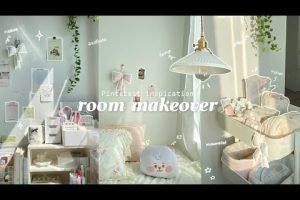
When it comes to creating a sanctuary inside your home, bedroom designs stand at the intersection of personal expression and functional living. Your bedroom is more than just a place to sleep — it’s the room where you recharge, unwind, and prepare for the day ahead. Whether you’re renovating a master suite, transforming a cramped apartment bedroom, or simply refreshing your space with new decor inspiration, understanding the principles behind effective bedroom design can make a dramatic difference in both aesthetics and quality of life. In this comprehensive guide, we’ll explore proven bedroom design ideas, room layout strategies, color scheme planning, furniture arrangement tips, and styling advice that spans every skill level — from complete beginners to seasoned design enthusiasts ready to take their interior game to the next tier.
Understanding the Fundamentals of Bedroom Design
Why Bedroom Design Matters for Your Well-Being
Research in environmental psychology consistently shows that the design and layout of your bedroom directly influence sleep quality, mood, and overall mental health. A cluttered, poorly lit, or aesthetically discordant bedroom can subconsciously elevate stress levels, while a thoughtfully designed sleeping space promotes relaxation and restorative rest. Interior design for bedrooms isn’t about chasing trends — it’s about crafting an environment tailored to your lifestyle, preferences, and physical needs. Factors like color temperature, airflow, light exposure, and furniture proximity all play measurable roles in how your bedroom performs as a wellness zone.
Before diving into specific styles, it helps to understand the core pillars that every effective bedroom design shares: purposeful furniture placement, a cohesive color palette, layered lighting, adequate storage, and personal touches that make the space feel uniquely yours.
Popular Bedroom Design Styles and Aesthetics
Minimalist Bedroom Designs
Minimalist bedroom design ideas focus on stripping away the unnecessary and highlighting what truly matters — comfort, clean lines, and breathing room. The philosophy here is simple: every object in the room earns its place. Think platform beds with low profiles, neutral wall tones like soft white or warm gray, and a deliberately limited furniture count. Storage tends to be built-in or concealed, keeping visual noise to an absolute minimum. This approach works exceptionally well in small bedroom designs where every square foot counts.
Key elements of minimalist bedroom decor include:
- Neutral or monochromatic color schemes (whites, beiges, soft grays)
- Low-profile platform beds and streamlined nightstands
- Hidden storage solutions and under-bed drawers
- One or two pieces of statement art on the walls
- Natural light maximization with minimal window treatments
Scandinavian bedroom styles share minimalist DNA but inject warmth through natural materials, soft textures, and a slightly broader palette. You’ll commonly see light wood flooring — often oak or birch — paired with white or pale pastel walls. Textiles become the stars here: chunky knit throws, linen bedding, and wool rugs introduce tactile richness without visual heaviness. Hygge, the Danish concept of cozy contentment, sits at the heart of this design approach, making it ideal for anyone seeking a bedroom aesthetic that feels both polished and inviting.
Bohemian and Eclectic Bedroom Looks
For those who crave personality and creative freedom, bohemian bedroom designs offer an expressive canvas. Layered textiles, global-inspired patterns, vintage furniture pieces, and gallery walls of mixed artwork define this style. Eclectic bedroom designs take a similar free-spirited approach but place greater emphasis on intentional mixing — pairing mid-century modern furniture with industrial lighting and traditional textiles, for example. The key to pulling off these looks is maintaining visual cohesion through a unifying color thread or repeated motif across different design elements.
Traditional and Classic Bedroom Styles
Classic bedroom designs exude timeless elegance. Think upholstered headboards with rolled arms, matching nightstand and dresser sets, elegant bedding with subtle patterns, and brass or nickel accent hardware. Rich wood tones like cherry, mahogany, and walnut anchor the room, while muted jewel-tone color schemes — deep navy, emerald green, or burgundy — add sophisticated depth. Master bedroom designs in this category often incorporate statement chandeliers or crystal pendant lights that serve as elegant focal points overhead.
Key Elements of a Well-Designed Bedroom
Color Palette Selection

Your bedroom color scheme is arguably the single most influential design decision you’ll make. Cool tones like blue, green, and lavender tend to promote calm and are frequently recommended for sleeping environments. Warm neutrals — soft taupe, greige, and warm white — create an enveloping, cocoon-like atmosphere that works across design styles. For those who prefer bolder palettes, accent walls in deep tones behind the bed can create a dramatic backdrop without overwhelming the entire room. The 60-30-10 rule remains a reliable guide: 60 percent dominant color (typically walls), 30 percent secondary color (bedding, large furniture), and 10 percent accent color (decor, pillows, art).
Furniture Layout and Space Planning
Smart furniture arrangement in the bedroom starts with positioning your bed correctly. The most universally recommended placement is centering the bed on the longest wall with clear walkway access on both sides. Avoid placing the bed directly under a window or in line with the door — both configurations can disrupt sleep quality and make the room feel less restful. In small bedroom layouts, consider wall-mounted nightstands, platform beds with integrated storage, or even a Murphy bed configuration that frees floor space during the day. Always measure your furniture before purchasing and map out your room dimensions to prevent costly mistakes and awkward spatial relationships.
Lighting Design for Bedrooms
Bedroom lighting should operate in layers. Ambient lighting — typically a dimmable ceiling fixture or recessed downlights — provides general illumination. Task lighting, such as adjustable wall sconces or bedside table lamps, supports reading and other close activities. Accent lighting, including LED strip lighting behind headboards or picture lights above artwork, adds dimension and visual interest. Warm color temperatures between 2700K and 3000K are ideal for bedroom environments, producing a soft glow that supports melatonin production and signals your body it’s time to wind down. Smart lighting systems with scheduling features can automate this transition, gradually dimming lights to facilitate deeper sleep onset.
Bedroom Design Tips by Budget Level
Regardless of your financial starting point, meaningful improvements are always accessible. Here’s how to approach bedroom design at different investment levels:
Beginner-Level Design Approaches
If you’re working with a limited budget or just starting your design journey, focus on high-impact, low-cost changes first:
- Refresh your bedding: A high-quality duvet cover and coordinated pillow shams can transform a bedroom’s look for under $150.
- Declutter aggressively: Remove anything that doesn’t serve a functional or emotional purpose.
- Repaint or re-wallpaper an accent wall: This single change reshapes the room’s mood dramatically.
- Swap out light fixtures: A modern pendant or statement lamp replaces outdated hardware affordably.
- Add textiles: A new area rug and throw blanket instantly update the aesthetic.
Intermediate-Level Design Investments
At this stage, you can tackle more structural and furnishing upgrades:
- Invest in a quality bed frame with proper ergonomic support.
- Install custom curtains or motorized blinds for refined light control.
- Introduce a cohesive furniture set or statement piece like a vanity or reading chair.
- Commission or frame original artwork that reflects your personal taste.
- Upgrade to layered lighting with dimmer switches and multiple fixtures.
Advanced-Level Design Strategies

For those pursuing a truly comprehensive bedroom transformation:
- Explore architectural enhancements — crown molding, wainscoting, or ceiling beams.
- Consider custom millwork for built-in wardrobes, window seats, or shelving.
- Invest in smart home integration: motorized shades, temperature-controlled rooms, and voice-activated lighting scenes.
- Work with a professional interior designer or decorator for bespoke layouts and material selections.
- Incorporate acoustic treatments — upholstered panels, heavy drapes, or acoustic wood — for a truly serene soundscape.
Comparison Table: Bedroom Design Styles at a Glance
| Style | Best For | Color Palette | Key Materials | Budget Range |
| Minimalist | Small spaces, apartment bedrooms | White, gray, beige | Lacquer, steel, engineered wood | Low to moderate |
| Scandinavian | Cozy yet polished aesthetics | Soft pastels, white, light wood | Oak, linen, wool, birch | Moderate |
| Bohemian | Expressive, creative personalities | Earth tones, jewel tones, mixed | Rattan, macrame, vintage textiles | Low to high |
| Traditional | Classic elegance, master suites | Deep jewel tones, rich neutrals | Mahogany, velvet, brass | Moderate to high |
Common Mistakes to Avoid in Bedroom Design
Even the most well-intentioned design plans can go wrong. Here are frequent pitfalls to steer clear of:
- Pushing furniture against every wall: This makes rooms feel smaller. Float your bed and key pieces slightly away from walls to create visual breathing room.
- Choosing bedding solely for aesthetics: Comfort and material quality matter. Linen, cotton, and bamboo blends offer both beauty and breathability.
- Ignoring scale and proportion: An oversized sectional in a small bedroom overwhelms the space, while a tiny bed in a large master suite looks lost.
- Overlooking closet and storage design: A poorly organized closet negates the effect of a beautifully designed bedroom. Invest in tailored storage solutions.
- Using only one light source: A single overhead fixture creates flat, unflattering illumination. Layered lighting is non-negotiable in quality bedroom design.
Frequently Asked Questions About Bedroom Design
What are the best bedroom design ideas for small spaces?
For small bedroom designs, prioritize vertical storage, wall-mounted furniture, mirrors to create depth, and a platform bed with built-in drawers. Stick to lighter color palettes and maximize natural light. A Murphy bed or sofa bed can also reclaim valuable floor space during the day.
How do I choose a color scheme for my bedroom?
Start by identifying the mood you want — calming, energizing, or romantic. Cool blues and greens promote tranquility, while warm terracottas and deep jewel tones add intimacy. Use the 60-30-10 color ratio to maintain balance across walls, large furnishings, and accent decor pieces.
What bedroom layout works best for a rectangular room?
In rectangular bedrooms, position your bed on the longest wall to anchor the space. Place nightstands symmetrically and situate a dresser or armoire on the opposite wall. Leave at least 24 inches of walkway clearance on each side of the bed for comfortable movement.
How can I make my bedroom feel cozier without spending too much?
Layer textiles generously — a chunky throw, thick area rug, and soft pillows add instant warmth. Switch bulbs to warm-toned LEDs (2700K), hang heavier curtains, and introduce natural elements like wood accents or houseplants. These budget-friendly adjustments create a noticeably cozier atmosphere.
What lighting setup works best for a master bedroom design?
A layered lighting approach works best: dimmable overhead ambient lights, adjustable bedside task lamps, and accent lighting such as LED strips behind the headboard. Install smart switches or smart bulbs so you can set pre-programmed scenes for waking, reading, and sleeping.
How do I design a bedroom that blends modern and traditional elements?
Blend modern and traditional furniture by anchoring the room with one dominant style and introducing accent pieces from the other. For instance, pair a traditional upholstered bed frame with modern minimalist nightstands and a contemporary chandelier. Unify the look through a consistent color palette and repeating texture motifs.
Final Thoughts on Creating Your Perfect Bedroom
Designing your bedroom is a deeply personal journey that rewards honest self-reflection and intentional decision-making. Start with what matters most to you — whether that’s premium sleep comfort, visual serenity, creative expression, or a combination of all three. Resist the urge to copy a design exactly from a magazine; instead, use these bedroom design principles, styles, and practical tips as a foundation and build outward from your own preferences. Remember that a truly well-designed bedroom doesn’t just look beautiful in a photograph — it feels transformative the moment you step inside and close the door behind you. Invest the time, plan thoughtfully, and your sleeping space will reward you every single night.