


Transforming your outdoor living space starts with one essential decision: choosing the right at home patio furniture. Whether you are designing a cozy balcony retreat, a sprawling backyard entertainment zone, or a simple sun-drenched corner for morning coffee, the furniture you select shapes the entire experience. Homeowners today are investing more thoughtfully in outdoor pieces that combine durability, style, and comfort. This comprehensive guide walks you through everything you need to know about selecting, arranging, and maintaining patio furniture that elevates your outdoor lifestyle.
Understanding At Home Patio Furniture: What It Really Means
At home patio furniture refers to any outdoor seating, dining, lounging, or decorative pieces designed for use on residential patios, decks, porches, and garden areas. Unlike commercial-grade outdoor furniture built for high-traffic public spaces, residential patio sets focus on aesthetics, personal comfort, and moderate weather resistance. The market has expanded dramatically in recent years, offering everything from minimalist aluminum bistro sets to luxurious all-weather wicker lounges with plush outdoor cushions.
The beauty of modern outdoor patio furniture lies in its versatility. You can mix and match pieces to create a cohesive look or curate a curated collection that reflects your personal taste. Understanding the key categories helps you make informed decisions that align with your space, budget, and lifestyle goals.
Types of Patio Furniture You Should Know
Before diving into materials and styles, it helps to understand the major categories of outdoor furniture available for home patios:
- Patio Dining Sets — Tables paired with chairs designed for outdoor meals and entertaining guests.
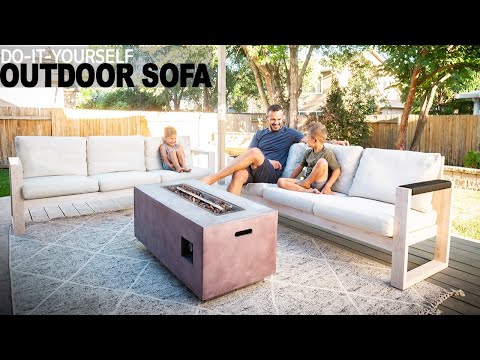
- Patio Lounge Furniture — Sofas, sectionals, and chaise lounges built for relaxation and socializing.
- Patio Dining Sets with Umbrellas — Complete sets that include a shade umbrella for sun protection.
- Sunbathing and Reclining Chairs — Zero-gravity chairs, Adirondack chairs, and hammocks for leisure.
- Outdoor Coffee and Conversation Sets — Smaller groupings of chairs and tables perfect for intimate gatherings.
- Outdoor Dining Sets with Fire Pits — Combining seating and warmth for year-round outdoor use.
Best Materials for Outdoor Patio Furniture
The material you choose directly impacts the longevity, maintenance requirements, and visual appeal of your outdoor furniture. Each option carries distinct advantages depending on your climate, budget, and design preferences.
Wood Patio Furniture
Natural wood remains a timeless favorite for outdoor patios. Teak, cedar, and eucalyptus are the most popular choices because they contain natural oils that resist moisture, rot, and insect damage. Teak, in particular, is considered the gold standard for outdoor wood furniture. It ages gracefully, developing a silver-gray patina if left untreated, or you can apply teak oil to maintain its golden honey tone. Cedar offers a warm reddish hue and excellent dimensional stability. Budget-conscious buyers often consider pine or acacia, though these require more frequent sealing and maintenance.
Metal Outdoor Furniture
Aluminum, wrought iron, and stainless steel each serve different purposes in the outdoor furniture landscape. Aluminum is lightweight, rust-resistant, and affordable, making it ideal for casual dining sets and portable lounge chairs. Wrought iron delivers a classic, ornate aesthetic with exceptional durability, though it is heavy and requires powder-coating to prevent rust in humid climates. Stainless steel offers a sleek modern look and outstanding corrosion resistance, making it a premium choice for contemporary patio designs.
Wicker and Rattan Outdoor Furniture
Synthetic wicker, often made from polyethylene (PE) resin, has revolutionized the outdoor furniture industry. Unlike natural wicker, which degrades quickly in moisture, all-weather wicker resists UV rays, rain, and temperature extremes. These pieces typically feature powder-coated aluminum frames and weather-resistant cushions, delivering the warm, inviting look of traditional rattan without the maintenance burden.
Plastic and Resin Furniture
High-density polyethylene (HDPE) and other UV-stabilized resins offer budget-friendly options that resist fading, cracking, and moisture absorption. Modern resin furniture has come a long way from the cheap plastic chairs of the past. Today’s designs mimic the look of wicker, wood, and stone at a fraction of the cost, making them excellent starter options for first-time outdoor furniture buyers.
Material Comparison Table
| Material | Durability | Maintenance | Price Range | Best For |
| Teak Wood | Excellent (20+ years) | Low (oil annually optional) | Premium | Luxury outdoor living |
| Cedar Wood | Very Good (10-15 years) | Moderate (seal every 1-2 years) | Mid-High | Rustic and natural aesthetics |
| Aluminum | Very Good (10-20 years) | Very Low | Budget to Mid | Lightweight, versatile setups |
| Wrought Iron | Excellent (20+ years) | Moderate (repaint if chipped) | Mid to Premium | Classic and formal patios |
| Synthetic Wicker | Very Good (7-15 years) | Low (wipe clean) | Mid | Modern and coastal designs |
| HDPE Resin | Good (5-10 years) | Very Low | Budget | Casual and family-friendly setups |
How to Arrange Your Outdoor Living Space
Arranging patio furniture effectively transforms a plain concrete slab or deck into an inviting outdoor room. The goal is to create defined zones for dining, lounging, and conversation while maintaining clear pathways and visual flow.
Start with your focal point. Identify what anchors the space — a fire pit, a garden view, a pergola, or a pool. Arrange your primary seating around this focal point to encourage natural gathering. For smaller patios, position the dining table closest to the kitchen entrance for convenient serving, and place lounge chairs facing the most attractive sightline.

Create conversation clusters. Even on a modest balcony, grouping two chairs and a small side table creates an intimate seating area. Use outdoor rugs and planters to visually define each zone. For larger decks, consider an L-shaped sectional sofa paired with a coffee table and a separate dining area to maximize functionality without overcrowding.
Balance scale and proportion. Oversized furniture on a small patio creates clutter, while tiny pieces on a large deck look lost. Measure your space before purchasing, and leave at least 30 inches of walkways between furniture pieces and between furniture and walls.
Layer your outdoor accessories. Outdoor cushions, throw blankets, solar-powered lanterns, and potted plants add warmth and personality. These finishing touches make even basic furniture arrangements feel curated and intentional.
Budget-Friendly vs Premium Outdoor Furniture: What You Need to Know
Budget-friendly outdoor furniture serves well for seasonal use or temporary setups. Resin chairs, basic aluminum bistro sets, and folding tables can be found for under $200 per piece and last several seasons with proper storage during off months. However, they often lack the structural integrity and aesthetic refinement of premium options.
Premium patio furniture represents a significant investment but delivers superior longevity, comfort, and visual impact. A high-quality teak dining set or a commercial-grade all-weather wicker sectional can last 15 to 25 years with minimal care. The cost per use over a decade makes premium pieces surprisingly economical compared to replacing budget furniture every two to three seasons.
Expert tip: Invest in the frame first. A sturdy powder-coated aluminum or solid hardwood frame matters more than cushion fabric, which can always be replaced or upgraded later.
Maintenance Tips to Extend Your Outdoor Furniture Lifespan
Proper maintenance is the single most effective way to protect your investment in outdoor furniture. Follow these practical steps to keep your pieces looking their best season after season:
- Clean regularly with mild soap and water. Dirt, pollen, bird droppings, and food residues can degrade finishes and fabric over time. A gentle wash every two weeks prevents buildup.
- Store cushions indoors during inclement weather. Even weather-resistant cushions last longer when protected from prolonged rain and direct UV exposure during storms.
- Use furniture covers during off-seasons. Breathable, waterproof covers prevent moisture damage, fading, and mold growth on wood, metal, and wicker frames.
- Apply protective treatments to wood furniture annually. Teak oil, marine varnish, or exterior wood sealant shields against moisture penetration and sun damage.
- Inspect metal frames for chips in powder coating. Touch up any exposed areas with matching rust-inhibiting paint to prevent corrosion before it spreads.
- Avoid power washing delicate materials. High-pressure water can strip finishes from wood, fray synthetic wicker weaves, and damage cushion stitching.
Choosing the Right Patio Furniture for Your Home: Key Considerations
Selecting the perfect outdoor furniture requires balancing several practical factors alongside aesthetic preferences. Consider these dimensions before making a purchase:
- Climate and weather patterns. Coastal homes need salt-resistant materials like marine-grade aluminum or stainless steel. Homes in heavy rainfall regions benefit from teak or synthetic wicker that dries quickly. Desert climates demand UV-resistant fabrics and fade-proof finishes.
- Available square footage. Measure your patio dimensions carefully, accounting for railing clearances, grill placement, and foot traffic flow. A crowded patio feels uncomfortable and defeats the purpose of creating an outdoor retreat.
- Usage frequency and purpose. If you host weekend barbecues regularly, invest in a durable dining set and ample seating. If you primarily use the space for quiet mornings, a lounge chair and side table may suffice.
- Storage and seasonal needs. Homeowners with limited storage should prioritize lightweight, stackable, or foldable furniture. Those with a garage or shed can invest in heavier, more permanent pieces.
- Personal style and home architecture. Mid-century modern homes pair well with clean-line metal and wood pieces. Mediterranean and coastal aesthetics shine with wicker and light-colored wood. Rustic farmhouse looks complement reclaimed wood and wrought iron.

Trends Shaping the Future of Outdoor Furniture
The outdoor furniture industry is evolving rapidly, driven by consumer demand for sustainability, modularity, and multi-functional designs. Several trends are worth watching:
- Modular and sectionals. Interlocking pieces allow homeowners to customize their outdoor layout for different occasions — from intimate dinner parties to large gatherings.
- Sustainable and recycled materials. Brands are increasingly using recycled ocean plastic, reclaimed teak, and responsibly sourced aluminum to reduce environmental impact.
- Outdoor kitchen integration. Furniture is being designed to complement outdoor kitchens, built-in BBQ stations, and pizza ovens, blurring the line between indoor and outdoor living.
- Smart outdoor lighting integration. Furniture with built-in LED lighting, USB charging ports, and Bluetooth speakers is becoming more mainstream for connected outdoor living.
Conclusion
Investing in high-quality at home patio furniture is one of the most rewarding decisions a homeowner can make. The right outdoor pieces extend your living space, increase property value, and create a welcoming environment for family and friends. By understanding materials, styles, maintenance needs, and arrangement strategies, you can build an outdoor oasis that serves you beautifully for years to come. Start with a clear vision of your space and needs, invest in durable frames and quality construction, and accessorize thoughtfully. Your perfect outdoor retreat is closer than you think.
Frequently Asked Questions
What is the most durable material for at home patio furniture? Teak wood and powder-coated marine-grade aluminum are widely considered the most durable options for residential outdoor furniture. Teak resists rot, insects, and moisture naturally, while aluminum is lightweight, rust-proof, and virtually maintenance-free. Both materials can last 15 to 25 years with proper care.
How do I protect my outdoor furniture during winter months? The best approach is to store cushions and fabric covers indoors, apply furniture covers over frames, and place pieces in a covered area if possible. For wood furniture, apply a protective sealant before winter. Avoid leaving metal furniture uncovered in areas with heavy snow or salt exposure, as moisture accelerates rust formation.
What size patio furniture fits a small balcony? For small balconies, prioritize compact bistro sets, foldable chairs, and nesting tables that save space when not in use. Measure your available floor area and subtract at least 18 inches from each dimension to account for railing space and walkways. A two-person bistro table with two matching chairs typically works well for balconies under 100 square feet.
Can outdoor patio furniture be left outside year-round? It depends on the material. Synthetic wicker with aluminum frames, powder-coated steel, and HDPE resin are designed for year-round outdoor use. However, natural wood, untreated metal, and fabric cushions should be covered or stored during harsh weather seasons to prevent premature deterioration.
What is the best budget-friendly outdoor furniture option for beginners? High-density polyethylene resin furniture offers the best value for first-time buyers. It is affordable, lightweight, weather-resistant, and requires virtually no maintenance. A basic resin dining set with four chairs can be purchased for $200 to $400, making it an excellent entry point for testing your outdoor furniture preferences before investing in premium pieces.
How often should I replace outdoor patio furniture cushions? Quality outdoor cushions typically last between three to five years depending on sun exposure, humidity, and frequency of use. Look for cushions with fade-resistant, mold-resistant fabric and quick-dry foam cores. Replacing cushions periodically keeps your outdoor furniture looking fresh and ensures ongoing comfort.