


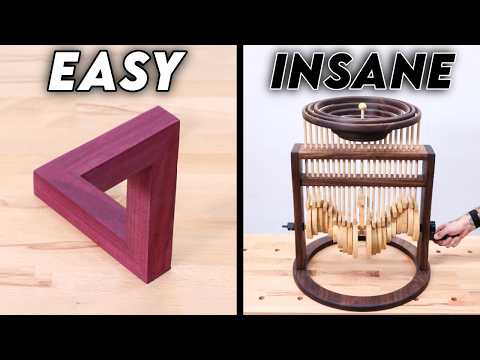
There is something deeply satisfying about transforming a raw piece of timber into a functional, beautiful creation. Whether you are just picking up a hammer for the first time or you have been crafting furniture for years, awesome wood projects offer a perfect blend of creativity, skill-building, and tangible results. The woodworking community has exploded in recent years, driven by social media inspiration, accessible tools, and a growing desire for handmade, sustainable home décor. In this comprehensive guide, we will explore the best wood projects across every skill level, share expert recommendations on materials and tools, and provide actionable tips that will help you plan, execute, and finish projects that genuinely stand out.
Why Awesome Wood Projects Are Taking Over the DIY Scene
Woodworking has evolved from a niche hobby into a mainstream creative pursuit. Platforms like Pinterest, YouTube, and Instagram are flooded with stunning project ideas, from rustic shelves to modern coffee tables. The surge in popularity is not accidental. People are craving hands-on activities that provide a sense of accomplishment in an increasingly digital world. Wood projects for beginners, intermediate builders, and advanced craftsmen all share one common thread: they allow you to create something real with your hands. Beyond the personal satisfaction, woodworking offers practical benefits such as cost savings, custom home furnishings, and even potential side income. When you build something from wood, you control every detail — the grain pattern, the finish, the dimensions, and the design aesthetic.
Best Awesome Wood Projects for Beginners
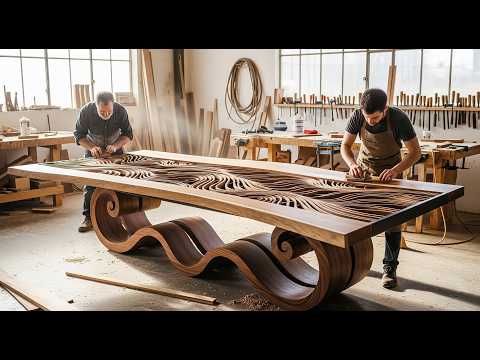
Starting your woodworking journey can feel overwhelming, but the key is to begin with projects that teach foundational skills without requiring expensive equipment. These beginner-friendly builds build confidence and develop essential techniques like measuring, cutting, sanding, and finishing.
Simple Projects to Build Your Confidence
- Floating Shelves: These are one of the most rewarding first projects. You only need a single board, some brackets or hidden supports, and basic sanding and staining skills. Floating shelves look professional but require minimal joinery.
- Cutting Boards: A classic starter project that teaches you about wood selection, grain orientation, and food-safe finishing. You can create stunning patterns using offcuts from hardwoods like walnut, maple, and cherry.
- Plant Stands: Simple dowel or post-based stands introduce you to basic assembly and design principles while producing a functional piece for your home.
- Step Stool: Building a step stool teaches mortise-and-tenon or pocket-screw joinery in a small, forgiving format.
The most important rule for beginners is to focus on precision over complexity. A perfectly squared, well-finished simple project always looks better than a poorly executed elaborate one.
Intermediate Wood Projects That Will Level Up Your Skills
Once you have mastered basic cuts, joinery, and finishing, intermediate projects challenge you to incorporate more sophisticated techniques. These builds introduce compound angles, curved elements, and more refined design considerations.
Projects That Push Your Abilities
- Slab Coffee Table: Working with live-edge slabs teaches you how to prepare rough-sawn wood, stabilize cracks with epoxy, and create a one-of-a-kind centerpiece for any living space.
- Built-In Bookshelves: This project combines carpentry with design. You will learn about wall mounting, precise leveling, crown molding integration, and custom sizing to fit unconventional spaces.
- Outdoor Adirondack Chair: Building a chair introduces compound angle cuts, curved slat shaping, and outdoor finishing techniques that protect against weather elements.
- Wooden Jewelry Box with Hidden Compartment: This project develops your box-making skills, introduces you to dovetail joints or finger joints, and adds an element of surprise craftsmanship.
At the intermediate level, choosing the right wood species becomes critical. Softwoods like pine work well for practice, but hardwoods such as oak, walnut, and white ash elevate the final product significantly.
Advanced Wood Projects for Seasoned Craftsmen

For experienced woodworkers, the goal shifts from learning basics to mastering artistry, precision, and complex joinery. Advanced projects demand patience, specialized tools, and a deep understanding of wood behavior.
Ambitious Builds That Showcase Mastery
- Hand-Crafted Dining Table with Mortise-and-Tenon Joinery: A dining table is the ultimate statement piece. Using traditional joinery without mechanical fasteners showcases your understanding of wood movement, grain matching, and structural integrity.
- Curved Dresser with Hand-Cut Dovetails: Combining curved cabinet fronts with hand-cut dovetails represents the pinnacle of fine furniture making. This project requires specialized jigs, sharp hand tools, and meticulous attention to detail.
- Live-Edge Resin River Bench: This project merges natural wood with artistic epoxy resin pours. It demands expertise in wood stabilization, mold construction, resin mixing, and bubble elimination techniques.
- Custom Headboard with Inlay Work: Adding decorative inlays using contrasting wood species or metal accents transforms a functional piece into a work of art.
Advanced builders should also invest time in learning about wood moisture content, grain selection for visual harmony, and long-term durability testing. These details separate a good project from a legendary one.
Comparing Wood Project Categories by Difficulty and Investment
Choosing the right project depends on your current skill level, available tools, and budget. The table below compares popular wood project categories to help you decide where to focus your energy next.
| Project Category | Skill Level | Avg. Cost | Time Required | Tools Needed |
| Floating Shelves | Beginner | $30–$60 | 2–4 hours | Saw, sander, drill |
| Cutting Board | Beginner | $20–$40 | 3–5 hours | Sander, clamps, router |
| Slab Coffee Table | Intermediate | $100–$300 | 1–3 days | Sander, router, clamps, epoxy kit |
| Built-In Bookshelves | Intermediate | $150–$500 | 3–7 days | Miter saw, drill, level, router |
| Adirondack Chair | Intermediate | $60–$150 | 1–2 days | Jigsaw, sander, drill, clamps |
| Hand-Crafted Dining Table | Advanced | $400–$1,500+ | 2–4 weeks | Router, planer, chisels, joinery tools |
| Resin River Bench | Advanced | $200–$800 | 1–2 weeks | Epoxy supplies, router, sander, clamps |
Expert Tips for Choosing the Right Wood and Tools
Your project’s success depends heavily on two factors: material selection and tool quality. Here are expert recommendations that will save you time, money, and frustration.
- Start with hardwoods for visible projects: Oak, maple, walnut, and cherry offer beautiful grain patterns and durability. For practice pieces or hidden structures, plywood and softwoods like cedar and pine are cost-effective alternatives.
- Invest in a quality table saw or circular saw first: These tools provide the precision cuts that make all the difference between a professional-looking project and a mediocre one.
- Always check moisture content: Wood that is too wet or too dry will warp, crack, or split over time. A simple moisture meter costs under $30 and can prevent devastating project failures.
- Use sharp blades and bits: Dull cutting tools tear wood fibers rather than slicing cleanly, leading to rough surfaces and more sanding time.
- Sand progressively: Always work through grits from coarse to fine — typically starting at 80 or 120 and finishing at 220 or higher for a glass-smooth surface before applying finish.
- Test finishes on scrap wood first: Every species absorbs stain and finish differently. Testing on offcuts prevents ugly surprises on your finished piece.
Frequently Asked Questions About Awesome Wood Projects
What are the easiest awesome wood projects to start with?
Floating shelves, basic cutting boards, and simple plant stands are the easiest projects for newcomers. They require minimal tools, use affordable wood, and teach essential skills like measuring, cutting straight lines, sanding, and applying finish. Start with these builds to develop muscle memory and confidence before tackling more complex furniture pieces.
What type of wood is best for beginner wood projects?
Pine and poplar are the most affordable and readily available options for beginners. They are soft enough to cut easily with basic tools and forgiving of minor mistakes. For projects where appearance matters, consider basswood or butternut, which offer a smoother grain and take stain beautifully without requiring advanced techniques.
How much does it cost to start an awesome wood projects hobby?
A basic starter setup with a quality circular saw, drill, sander, and essential hand tools can be assembled for $200 to $400. Wood costs vary by species and project size, but a beginner cutting board or shelf might only require $20 to $50 in lumber. As you progress, you can invest incrementally in better equipment and premium hardwoods.
What are some trending awesome wood projects in 2024?
Live-edge resin furniture, Japandi-style minimalist shelving, outdoor fire pits with built-in seating, and custom modular storage cubes are among the most popular trends this year. These projects combine modern aesthetics with natural wood beauty and appeal to a wide range of skill levels and interior design styles.
How do I finish a wood project for long-lasting durability?
For indoor pieces, Danish oil or wipe-on polyurethane provides excellent protection while enhancing natural grain. Outdoor projects require marine-grade spar urethane or exterior-grade linseed oil to withstand moisture and UV exposure. Always prepare the surface thoroughly by sanding, cleaning dust, and applying finish in thin, even coats with proper drying time between applications.
Can I sell awesome wood projects I build at home?
Absolutely. Handmade wood products have strong market demand on platforms like Etsy, local craft fairs, and Facebook Marketplace. Cutting boards, custom shelving, and live-edge furniture pieces are particularly popular. Start by pricing your work to cover materials, tool depreciation, and a fair hourly wage, then adjust based on market response and customer feedback.
Conclusion
Awesome wood projects are more than just a way to fill your home with handmade furniture — they are a gateway to creativity, patience, and genuine craftsmanship. Whether you are building your first floating shelf or crafting a heirloom-quality dining table, every project teaches you something new and pushes your abilities further. The beauty of woodworking lies in its accessibility: you can start with a single board and a basic saw, or dive deep into advanced joinery and artistic finishes. The key is to begin, stay curious, and embrace each project as an opportunity to grow. With the right materials, proper tools, and a willingness to learn from every cut and sand, you can create woodwork that brings joy for decades. So grab your lumber, fire up your tools, and start building something awesome today.