


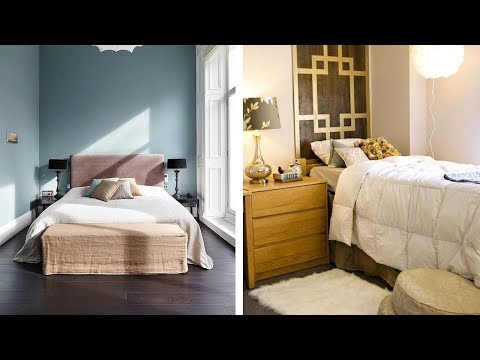
When you are dealing with a compact living environment, designing the perfect personal retreat can feel like an impossible puzzle. Many assume restricted square footage means sacrificing style, but this is false. The key to transforming a tiny sleeping area lies in smart bedroom ideas for small space that prioritize utility without compromising aesthetics. Whether you are working with a studio apartment or a narrow guest room, the right design strategies can make your bedroom feel expansive and serene. This guide will walk you through actionable techniques, from beginner layout tips to advanced decor tricks, ensuring every inch of your room works harder for you.
Small Bedroom Design Fundamentals

Before purchasing new furniture, you must understand the foundational principles of small space design. The goal is to create an atmosphere of openness while maximizing utility. Think of your compact bedroom as a blank canvas where every choice serves a dual purpose. Beginners often make the mistake of pushing all furniture against the walls, but this can make a room feel emptier. Instead, consider zoning. Using a plush area rug to define the sleeping zone or a room divider to separate areas adds structure without clutter.
The Power of Light and Illusion
Lighting plays a crucial role in how we perceive room size. Dark corners naturally make a room feel smaller and more confined. To combat this, layer your lighting with ambient fixtures like recessed LED strips or minimalist floor lamps. Furthermore, color theory is your best friend. Soft, neutral hues like eggshell white, pale gray, and soft blush reflect light better than deep tones, visually pushing the walls outward. Incorporating large mirrors is another classic tactic; a well-placed mirror opposite a window bounces natural light around the room, instantly doubling the perceived square footage and creating a sense of depth essential for small bedroom solutions.
Multi-Functional Furniture: The Core of Compact Living

In a tiny bedroom, single-purpose furniture is a luxury you cannot afford. The most effective small bedroom solutions rely on pieces that serve multiple roles simultaneously. Investing in multi-functional furniture is the cornerstone of any successful tiny bedroom decor strategy. Consider these space-saving essentials carefully:
- Storage Ottomans: Provide comfortable seating while offering hidden storage for extra blankets or seasonal clothing inside the hollow base.
- Platform Beds with Integrated Drawers: Utilize the often-wasted space beneath a standard bed frame, offering massive storage capacity without taking up floor space.
- Fold-Down Desks: A wall-mounted drop-leaf desk disappears completely when not in use, freeing up valuable floor real estate for other activities.
- Nesting Tables: Instead of a bulky traditional nightstand, nesting tables can be pulled apart when needed and tucked together tightly against the wall.
When selecting dual-purpose items, always measure your room dimensions first. Ensure there is enough clearance for doors to open fully and drawers to slide out without obstruction. A well-planned layout prevents the room from feeling like a cramped storage unit and keeps the space feeling uncluttered.
Maximizing Vertical Space and Layout
When floor space is limited, your eyes—and your storage—should look up. Vertical bedroom ideas for small space are essential for keeping the ground clear and maintaining a clutter-free environment.
Smart Layout Strategies
Arranging your furniture correctly is just as important as the furniture itself. Avoid pushing all your large pieces against the walls; sometimes, floating a bed slightly away from the wall can open up the room’s center. Here is how to optimize vertical space systematically:
- Wall-Mounted Shelves: Install sturdy floating shelves above your bed or desk to store books and decor, keeping surfaces clear.
- Tall Wardrobes: Opt for a wardrobe that reaches the ceiling. Custom cabinetry ensures you use every inch of vertical storage.
- Over-Door Organizers: The back of your bedroom door is prime real estate for shoes, accessories, and essentials.
- Loft Beds: If the ceiling height allows, raising the bed creates an entire under-bed zone for a desk or additional storage.
Advanced Styling and Decor Tactics
Once your layout and furniture are optimized, it is time to focus on the finishing touches. Advanced small room layout techniques focus on visual continuity and texture to make the space feel curated rather than cramped.
The Art of Visual Continuity

One of the biggest mistakes in tiny bedroom design is using harsh borders and bulky visual anchors. Avoid large, bulky headboards that make the ceiling feel lower. Instead, use a continuous headboard that spans the entire width of the wall or forego a headboard entirely in favor of a subtle wall color shift. Keep your decor scale strictly proportional; oversized art can overwhelm a small room. Instead, opt for a curated gallery wall of smaller, cohesive pieces. Consistency in decor style prevents visual clutter, which is the ultimate enemy of small spaces.
Comparison: Space-Saving Bed Options
Choosing the right bed is the most critical decision in a small bedroom. The bed is usually the largest single piece of furniture in the room, so choosing the right type can make or break the layout. Below is a detailed comparison table of popular space-saving bed options.
| Bed Type | Best For | Storage Capacity | Ceiling Height Needed |
| Storage Platform Bed | Everyday use with hidden clutter | High (under-bed drawers) | Standard (8 ft) |
| Loft Bed | Studio apartments, kids rooms | Very High (entire zone underneath) | High (9+ ft) |
| Murphy Bed | Multi-purpose rooms, offices | Low (wall space used) | Standard (8 ft) |
| Futon / Bunk Bed | Guests, siblings sharing | Moderate | Standard (8 ft) |
Each option offers unique benefits for different living situations. If you need a dedicated workspace during the day, a Murphy bed or loft bed is ideal because it frees up the entire floor when not in use. For daily sleeping with ample hidden storage, a storage platform bed remains the most practical choice for compact living.
Conclusion: Transforming Compact Comfort
Designing a bedroom ideas for small space does not require a massive budget or a professional interior designer. By embracing multi-functional furniture, utilizing vertical storage, and applying strategic visual tricks, you can turn even the most restrictive room into a cozy, highly efficient sanctuary. Start with the fundamentals of light and layout, experiment with dual-purpose pieces, and gradually introduce advanced styling until your small bedroom feels like the ultimate retreat. The goal is not just to fit a bed into a room, but to craft a harmonious environment where every detail serves your lifestyle and brings you peace.
Frequently Asked Questions
What are the best bedroom ideas for small space on a tight budget?
If you are working with a limited budget, focus on paint and lighting. A fresh coat of light-colored paint and adding inexpensive LED strip lighting can completely transform a room. Additionally, DIY under-bed storage bins and repurposing crates as wall shelves provide massive storage solutions without the high cost of purchasing new, purpose-built furniture. Thrift stores are also excellent sources for unique, affordable pieces.
How can I make a small bedroom look bigger without renovating?
You can instantly make a small bedroom appear larger by using large-scale mirrors opposite windows to reflect natural light and create an immediate sense of depth. Also, keep window treatments minimal and lightweight. Skip heavy drapes and opt for sheer curtains or simple roman shades that let the maximum amount of light in, opening up the visual space and making the room feel airier.
What is the best layout for a small bedroom with a desk?
The best layout places the desk near the window to maximize natural daylight for work, while keeping the bed against the most prominent wall to preserve floor space. Use a wall-mounted fold-down desk rather than a bulky freestanding one to keep the area clear, ensuring the room remains open and navigable. Positioning the desk in the corner can also help maximize underutilized angles of the room.
Which multi-functional furniture pieces are essential for compact bedroom solutions?
Essential pieces include a bed with integrated under-drawer storage, an ottoman with a lift-top compartment for extra seating, and a nightstand that doubles as a small bookshelf. These dual-purpose items ensure you have ample storage and functionality while keeping the floor clear. Investing in furniture that does double duty is the most effective way to maintain a tidy, spacious feel in a small room.
How do I choose a color palette for small bedroom ideas for small space?
Stick to a monochromatic or analogous color palette using soft, cool tones like icy blue, lavender, or warm beige. These hues recede visually, making the walls feel further away and the room feel larger. Avoid stark white if you want a cozy feel; instead, choose warm off-whites or soft pastels that still reflect light effectively without making the room feel sterile or unwelcoming.