


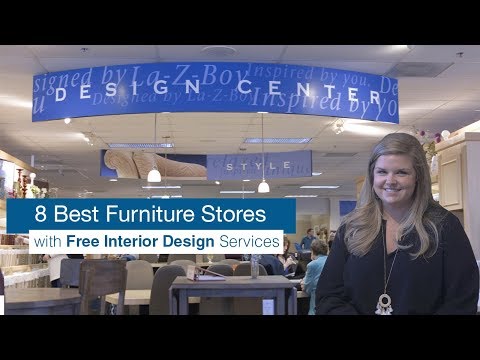

Walking into a well-curated furniture store feels like stepping into a world where design meets functionality — every piece tells a story, every corner invites you to sit, touch, and imagine your life inside it. Whether you are furnishing your first apartment, renovating a family home, or outfitting a commercial space, the right furniture store can make or break the entire experience. But with so many options flooding the market, from sprawling warehouse showrooms to sleek digital storefronts, how do you know which one truly delivers on quality, value, and style? This guide breaks down everything you need to know about choosing, visiting, and buying from the best furniture stores — backed by expert insights and practical strategies you will not find in a generic buying guide.
What Is a Furniture Store and Why It Matters More Than You Think
A furniture store is a retail establishment — physical or online — that specializes in selling home furnishings, including sofas, dining sets, beds, storage units, desks, and decorative accessories. But reducing it to that definition misses the bigger picture. A furniture store is essentially a design partner. The best retailers curate collections that reflect current trends, timeless aesthetics, and ergonomic innovation all at once. They help you solve spatial challenges, match materials to your lifestyle, and create cohesive interiors that feel intentional rather than thrown together.
For many homeowners, the furniture store is the single most influential touchpoint in the interior design process. It is where budgets get tested against dreams, where materials like solid wood, metal, and upholstery are compared side by side, and where decisions that shape your daily living environment get finalized. Understanding how furniture stores operate gives you a serious competitive advantage.
Types of Furniture Stores You Should Know About
Not all furniture retailers are created equal. The landscape has evolved dramatically, and today’s buyers have access to an impressive range of store formats. Let us break them down.
Brick-and-Mortar Furniture Stores
These are the traditional, physical showrooms where you can walk in, sit on displays, and speak directly with sales consultants. Think of large chains like IKEA, Ashley Furniture, or locally owned boutique galleries. The biggest advantage here is the tactile experience — you can test a chair’s lumbar support, feel the grain of a tabletop, and see fabric colors under natural lighting before committing.
Brick-and-mortar stores also often offer in-store delivery, assembly services, and return policies that online-only retailers struggle to match. However, they typically carry higher overhead costs, which can translate into slightly higher price points.
Online Furniture Stores
Digital-first retailers like Wayfair, Article, and Burrow have revolutionized how people shop for home furnishings. They offer massive catalogs, competitive pricing, and the convenience of shopping from your couch. Many provide augmented reality (AR) tools that let you visualize furniture in your actual room using your smartphone camera.
The trade-off? You cannot physically test the product before purchase, and shipping large items sometimes comes with hidden fees or longer delivery windows. Reading reviews and checking return policies becomes essential.
Hybrid and Direct-to-Consumer Models
A growing number of furniture brands now operate hybrid models — they maintain showrooms in major cities while selling primarily online. Companies like West Elm, Crate & Barrel, and Restoration Hardware fall into this category. These retailers combine the best of both worlds: you can visit a showroom for inspiration and then purchase online, often at lower prices than their physical locations.
How to Choose the Right Furniture Store for Your Needs
Selecting the ideal furniture store depends on several factors that go beyond just browsing a catalog. Here is a practical framework to guide your decision.
- Define your budget range. Know what you can comfortably spend before you walk in or log on. Quality furniture is an investment, and reputable stores will be transparent about pricing tiers.
- Identify your style preference. Are you drawn to mid-century modern, Scandinavian minimalism, rustic farmhouse, or contemporary luxury? The right store will specialize in or at least carry a strong selection in your aesthetic.
- Check material quality. Look for stores that clearly label materials — solid wood vs. veneer, genuine leather vs. bonded leather, high-density foam vs. cheap fill. A trustworthy furniture store will not hide this information.
- Evaluate the return and warranty policy. This is critical. The best retailers offer generous return windows of at least 30 days and warranties that cover structural defects for years.
- Read customer reviews and ratings. Platforms like Google Reviews, Trustpilot, and Reddit threads can reveal real-world experiences with delivery timelines, customer service, and product durability.
Top Factors That Set Great Furniture Stores Apart
What separates an exceptional furniture store from an average one? Several key differentiators stand out in the industry.
- Curated collections over mass-produced clutter. Premium retailers carefully select pieces that align with design standards, ensuring everything on the floor is worth your attention.
- Expert design consultation services. Many high-end stores offer free or low-cost interior design advice, helping you plan layouts, choose color palettes, and select complementary pieces.
- Sustainable and ethically sourced materials. An increasing number of furniture stores now prioritize eco-friendly sourcing, FSC-certified wood, and low-VOC finishes. This is a major selling point for environmentally conscious buyers.
- Customization options. Stores that allow you to customize dimensions, fabrics, and finishes give you far more flexibility than those selling only fixed-size pieces.
- Strong after-sales support. From assembly assistance to parts replacement, the post-purchase experience matters enormously. A store that stands behind its products builds lasting customer loyalty.
Furniture Store Pricing: What to Expect
Pricing in the furniture industry can vary wildly depending on the retailer’s business model, brand positioning, and material quality. Understanding the general pricing landscape helps you shop smarter and avoid overpaying.
| Store Type | Average Price Range (Sofa) | Price Range (Dining Set) | Quality Tier |
| Big-Box Retailer | $400 – $1,200 | $300 – $800 | Budget to Mid-Range |
| Mid-Range Chain | $1,200 – $3,000 | $800 – $2,500 | Mid-Range |
| Design-Focused Retailer | $2,500 – $7,000 | $2,000 – $6,000 | Premium |
| Luxury / Boutique Store | $5,000 – $15,000+ | $4,000 – $12,000+ | High-End / Designer |
| Online Direct-to-Consumer | $500 – $2,000 | $400 – $1,500 | Budget to Premium |
As a rule of thumb, you get what you pay for — but that does not mean you need to spend a fortune. Many online direct-to-consumer brands offer surprisingly high-quality pieces at mid-range prices because they cut out the middleman and sell directly to consumers.
Expert Tips for Getting the Best Deal at Any Furniture Store
Even seasoned shoppers can miss opportunities to save money. Here are some insider strategies that work across both physical and online furniture stores.
- Shop during seasonal sales events. Major holidays like Memorial Day, Labor Day, Black Friday, and New Year often trigger significant markdowns across the industry.
- Ask about floor models and display items. These pieces are often discounted by 20% to 40% because the store needs to make room for new inventory.
- Negotiate on price. Many furniture stores — especially independent ones — have some flexibility on pricing. Always ask if there is a current promotion or if a price match is possible.
- Bundle your purchases. Buying multiple pieces from the same store often qualifies you for package discounts or free shipping.
- Check for financing options. Some stores offer 0% APR financing for 6 to 12 months, which can make premium pieces more accessible without straining your budget.
- Inspect the piece in person if possible. Even if you plan to buy online, visiting a showroom first lets you assess build quality, comfort, and scale before committing.
Conclusion
Choosing the right furniture store is one of the most impactful decisions you will make for your home. It is not just about buying a sofa or a dining table — it is about investing in pieces that will shape your daily comfort, elevate your living space, and hold their value over time. By understanding the different store formats, knowing what quality indicators to look for, and using smart shopping strategies, you can confidently navigate the furniture market and find pieces that truly fit your life. The best furniture store is not always the most famous one — it is the one that aligns with your budget, your style, and your expectations for quality and service.
Frequently Asked Questions (FAQs)
1. How do I know if a furniture store offers good quality products?
Look for stores that clearly disclose materials, offer detailed product descriptions, and provide solid warranty coverage. Reading verified customer reviews and checking for certifications like FSC (Forest Stewardship Council) or Greenguard can also indicate a commitment to quality and sustainability.

2. Is it better to buy furniture online or in-store?
Both have distinct advantages. Online stores typically offer lower prices and wider selection, while in-store shopping gives you the ability to test comfort, assess build quality, and receive immediate assistance. Many shoppers now use a hybrid approach — researching online and purchasing in-store, or vice versa.
3. What should I look for when comparing furniture store return policies?
Pay attention to the return window length, whether restocking fees apply, who covers return shipping costs, and whether the store offers a satisfaction guarantee. The best furniture retailers provide at least a 30-day risk-free return period with clear, hassle-free terms.
4. Can I customize furniture purchased from a furniture store?
Many retailers — especially mid-range and premium stores — offer customization options for fabric choices, wood finishes, dimensions, and even structural modifications. Direct-to-consumer brands like Burrow and Article are particularly known for flexible customization programs.
5. What is the best time of year to buy furniture at a store?
Major sales typically occur around Memorial Day, Independence Day, Labor Day, Black Friday, and end-of-season clearance events in January and July. Planning your larger purchases around these windows can save you 20% to 40% compared to regular pricing.
6. How long does furniture from a store typically last?
Durability varies significantly by material and construction. A well-built solid wood piece can last 15 to 25 years or more, while engineered wood or particleboard items may last 5 to 10 years. Investing in high-quality materials and reputable brands generally ensures longer furniture lifespan and better return on investment.