A formal living room represents one of the most intentional and thoughtfully curated spaces in any home. Unlike casual family rooms designed for everyday relaxation, a formal living room sets the tone for elegance, refinement, and sophistication. Whether you are hosting distinguished guests, celebrating special occasions, or simply want a dedicated space that reflects your impeccable taste, understanding the principles of formal living room design is essential. This comprehensive guide explores everything from furniture arrangement and color palettes to lighting strategies and décor accessories that transform an ordinary room into a stunning formal reception area that leaves a lasting impression.
What Defines a Formal Living Room?
A formal living room is a dedicated reception space typically located near the front entrance of a home, designed to welcome visitors and create an atmosphere of grace and hospitality. This room serves as a reflection of personal style and social standing, often featuring elevated furniture selections, refined color schemes, and carefully coordinated architectural details. The distinction between a formal living room and an informal sitting room comes down to intentionality, symmetry, and the overall level of polish in every design decision.
Key Characteristics of Formal Living Room Design
Several defining elements separate a formal living room from other spaces in the home:
- Symmetrical layout: Furniture is arranged in balanced pairs, creating a sense of order and grandeur.
- Premium materials: Rich woods, marble, velvet, silk, and polished metals dominate the material palette.
- Muted or classic color palettes: Neutral tones, deep jewel hues, and sophisticated pastels set the mood.
- Architectural detail: Crown molding, wainscoting, coffered ceilings, and formal fireplaces anchor the room.
- Restrained accessorizing: Decor is curated rather than cluttered, with each piece serving a purposeful aesthetic role.
Choosing the Right Formal Living Room Furniture
Selecting furniture for a formal living room is one of the most impactful decisions you will make. Every piece should communicate quality, craftsmanship, and timeless design. The goal is to create a cohesive ensemble that feels both luxurious and inviting without sacrificing the room’s structured elegance.
Essential Furniture Pieces
- Sofa and loveseat pairs: A Chesterfield sofa or a tailored Upholstered set in neutral tones anchors the room. Choose high-quality fabrics like chenille, velvet, or leather.
- Armchairs: Matching or complementary accent chairs placed on either side of a coffee table reinforce the symmetrical design principle.
- Coffee table: A mahogany or marble-topped coffee table adds gravitas and serves as the room’s central focal point.
- Console tables and buffets: These pieces line walls and provide functional display surfaces for art, vases, and collectibles.
- Sideboards and credenzas: Ideal for storing formal dinnerware and serving pieces when the room doubles as an entertaining space.
When arranging formal living room furniture, maintain generous spacing between pieces. Each item should breathe within the room, avoiding the cramped feeling that undermines formality. A minimum of three feet between furniture arrangements allows for graceful movement and visual clarity.

Formal Living Room Color Palettes and Materials
The color scheme you choose establishes the emotional tone of your formal living room. Deep, saturated colors convey opulence, while lighter neutrals create an airy, refined atmosphere. Below is a comparison of popular formal living room color strategies and their associated moods.
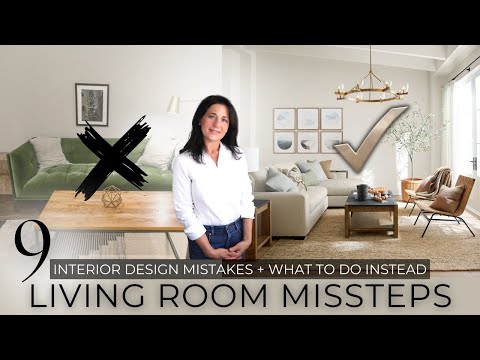
| Color Palette | Best For | Recommended Materials | Vibe |
| Cream and Gold | Classic elegance | Velvet, brass, marble | Luxurious and warm |
| Navy and Ivory | Traditional formal | Leather, dark wood, linen | Bold yet refined |
| Charcoal and Silver | Modern formal | Chrome, glass, suede | Sleek and contemporary |
| Forest Green and Gold | Victorian-inspired | Tufted fabric, antique wood | Rich and stately |
| Soft Gray and Blush | Soft modern formal | Linen, brushed steel, quartz | Quiet luxury |
Materials play an equally important role in reinforcing the formal atmosphere. Combining textures like silk curtains with a leather sofa and a velvet accent chair creates layered visual interest without breaking the room’s structured harmony. Avoid overly casual fabrics like denim or distressed leather, as they undermine the formal living room aesthetic entirely.
Lighting Strategies for Formal Living Rooms
Lighting is arguably the most powerful tool for elevating a formal living room from ordinary to extraordinary. Layered lighting approaches combine ambient, task, and accent sources to create depth, warmth, and drama throughout the space.
Lighting Fixtures That Make a Statement
- Crystal chandeliers: A centerpiece chandelier immediately signals formality and grandeur, especially in rooms with high ceilings.
- Pendant clusters: For slightly lower ceilings, grouped pendant lights in metallic finishes offer a refined alternative.
- Sconces: Wall-mounted sconces flanking a fireplace or mirror provide soft, directional light that enhances architectural features.
- Table lamps: Tiffany-style or silk-shaded table lamps on console tables add warmth and a touch of glamour.
- Candlelight: Real or LED candles on mantels and side tables create an intimate, inviting glow perfect for evening entertaining.
Dimmers are essential in a formal living room lighting plan. They allow you to adjust the atmosphere effortlessly, transitioning from bright daytime gatherings to dim, moody evening settings with a single flick. Warm-toned bulbs between 2700K and 3000K complement most formal color palettes beautifully.
Formal Living Room Layout and Floor Plans
The layout of your formal living room should prioritize flow, balance, and focal points. Unlike casual rooms where furniture might be pushed against walls, formal spaces benefit from strategic placement that encourages conversation and movement.
Popular Formal Living Room Layouts
- The Symmetrical Arrangement: Two identical armchairs flanking a central coffee table, with a sofa positioned opposite. This classic layout works exceptionally well in square or rectangular rooms with a fireplace as the focal point.
- The Conversation Group: Seating arranged in a U-shape or L-shape around a central area, with a Persian rug defining the zone. This layout encourages intimate conversation and feels welcoming despite its formality.
- The Gallery Layout: Furniture placed along the walls with a central open space, ideal for showcasing artwork, shelving, or a grand piano. This approach suits longer, narrower formal rooms.
Regardless of the layout you choose, ensure that pathways remain clear and that each piece has adequate breathing room. A formal living room should never feel crowded or chaotic. Measure your space carefully before purchasing furniture, and consider using painter’s tape on the floor to visualize arrangements before committing.
Window Treatments and Flooring for Formality
Windows and flooring are foundational elements that set the stage for everything else in a formal living room. Heavy drapery in floor-length panels made from silk, damask, or brocade fabric instantly adds drama and sophistication. Consider installing a curtain rod that extends well beyond the window frame to create the illusion of larger, more elegant windows.
For flooring, hardwood in dark walnut, mahogany, or oak tones remains the gold standard for formal living rooms. Area rugs in luxurious wool or silk placed beneath the seating group define the conversation zone and add texture underfoot. Marble or polished tile entryways near the formal sitting room door reinforce the transition from casual to formal space as guests enter your home.
Expert Tips for Achieving the Perfect Formal Living Room
Interior designers with decades of experience in formal residential design recommend the following strategies:
- Start with the fireplace or focal wall: Every formal living room needs a clear focal point. Build your layout outward from this anchor.
- Invest in statement lighting: A single dramatic chandelier or pendant can do more for formality than any piece of furniture.
- Use art sparingly but boldly: One large painting or a curated gallery wall in matching frames creates visual impact without clutter.
- Add greenery thoughtfully: A single tall potted plant or a pair of floral arrangements on the mantel adds life without undermining formality.
- Layer your textures: Combining velvet, wood, metal, and glass creates a rich, multidimensional look that signals deliberate design.
- Keep electronics hidden: Televisions and sound systems should be concealed in cabinet doors or recessed niches to maintain the room’s pristine aesthetic.
Conclusion
Designing a formal living room is an art that balances structure with warmth, luxury with livability, and tradition with personal expression. By selecting premium furniture, choosing a cohesive color palette, layering lighting strategically, and maintaining a disciplined approach to décor, you can create a formal living room that is both breathtaking and functional. Whether your home features a dedicated formal sitting room or you are transforming a multipurpose space into one, the principles outlined in this guide will help you achieve a room that commands attention and makes every guest feel welcomed in the finest manner possible.
Frequently Asked Questions
What is the difference between a formal living room and a family room?

A formal living room is designed for entertaining and receiving guests, featuring symmetrical furniture arrangements, premium materials, and refined décor. A family room is oriented toward everyday comfort and casual activities, with softer fabrics, flexible seating, and a more relaxed layout.
What is the best color scheme for a formal living room decorating idea?
Classic formal living room color schemes include cream and gold, navy and ivory, charcoal and silver, and deep forest green with accents. These combinations convey sophistication and work well with rich materials like velvet, marble, and polished wood.
How do you arrange formal living room furniture for small spaces?
In smaller formal living rooms, opt for a compact sofa and two armchairs arranged in a symmetrical conversation layout. Use a round coffee table to soften the space, and choose furniture with exposed legs to create an airy feel. A single large mirror on the wall can visually expand the room while maintaining formality.
Can a formal living room be modern rather than traditional?
Absolutely. Modern formal living room design embraces clean lines, monochromatic palettes, and minimalist décor while retaining the symmetry and premium quality associated with formality. Think sleek leather furniture, chrome accents, and abstract art in a restrained color story.
What lighting is best for a formal living room at night?
Layered lighting is ideal. A dimmable chandelier provides ambient glow, wall sconces add directional warmth, and table lamps with fabric shades create intimate pools of light. Candlelight, whether real or LED, adds the final touch of evening elegance to any formal living room setup.