


Bath designs have evolved dramatically over the past decade, transforming from purely functional spaces into personal retreats that reflect individual style, comfort, and modern living standards. Whether you are renovating a compact apartment bathroom or planning a sprawling master ensuite, understanding the principles behind exceptional bath design can make the difference between a forgettable room and a standout sanctuary. Today’s homeowners are demanding more than just a place to shower — they want a space that combines aesthetics, ergonomics, smart technology, and durable materials in a harmonious layout. In this comprehensive guide, we will explore every facet of bath design, from style trends and spatial planning to material selection and expert tips that will elevate your project to the next level.
What Defines a Beautiful and Functional Bath Design

A truly great bath design balances form and function. It is not simply about picking a trendy tile or a stylish faucet — it is about creating a cohesive environment where every element serves a purpose while contributing to visual harmony. The best bath designs account for ventilation, waterproofing, lighting layers, storage solutions, and traffic flow. When planning your bathroom renovation, consider the user experience: How easy is it to move around the space? Are the fixtures placed at comfortable heights? Does the design accommodate both daily routines and moments of relaxation?
The most successful bath designs begin with a clear understanding of the room’s dimensions, the home’s architectural style, and the homeowner’s lifestyle. A family bathroom needs different design solutions than a guest powder room or a private spa-style en suite. Let us explore the key styles and trends that are shaping the bath design landscape in 2024 and beyond.
Understanding the Core Elements of Bath Design
Before diving into specific aesthetics, it is essential to understand the building blocks of every bath design:
- Layout and Floor Plan: The arrangement of fixtures — toilet, shower, bathtub, vanity, and storage — determines how the space feels and functions.
- Lighting Design: Layered lighting, including ambient, task, and accent sources, transforms the mood and usability of a bathroom.
- Material Palette: Tiles, stone, wood, metal fixtures, and paint choices define the texture and warmth of the room.
- Color Scheme: A well-chosen color palette can make a small bathroom feel expansive or a large one feel intimate.
- Fixtures and Hardware: Faucets, showerheads, towel bars, and cabinet handles are the finishing details that tie the design together.

Popular Bath Design Styles and Trends
Bathroom design trends have shifted significantly in recent years, moving away from cookie-cutter designs toward personalized, statement-making spaces. Below are three of the most influential bath design styles that homeowners and interior designers are embracing today.
Minimalist Bath Design
Minimalist bath design emphasizes clean lines, uncluttered surfaces, and a restrained color palette — typically whites, grays, and soft earth tones. The goal is to create a calming, serene environment where every object has a purpose. Walk-in showers with frameless glass enclosures, floating vanities with hidden storage, and wall-mounted toilets are hallmarks of this approach. Minimalist bath design is particularly popular in urban apartments and modern lofts where space efficiency matters.
Modern Luxury Bath Design
Modern luxury bath design pushes the boundaries of comfort and aesthetics. Think rainfall showerheads, freestanding soaking tubs, heated floors, smart mirrors with built-in Bluetooth speakers, and high-end stone surfaces like marble and quartzite. This style is ideal for homeowners who want their bathroom to feel like a five-star hotel suite. The key to nailing modern luxury is selecting premium materials without overloading the space — restraint is just as important as opulence in this design category.
Rustic and Farmhouse Bath Design
Rustic and farmhouse bath design brings warmth and character through natural materials, distressed finishes, and vintage-inspired fixtures. Reclaimed wood vanities, subway tile walls, antique brass faucets, and clawfoot tubs are signature elements. This style works beautifully in country homes, cabins, and any space where a cozy, lived-in feeling is desired. Pairing rustic elements with modern touches — such as a sleek rainfall showerhead paired with a weathered wood vanity — creates a compelling transitional look.
Small Bath Designs That Maximize Every Inch
Not everyone has the luxury of a large bathroom, and small bath design requires strategic thinking to make the most of limited square footage. The golden rule of small bathroom design is to prioritize openness and visual continuity. Here are proven strategies:
- Use large-format tiles on walls and floors to reduce grout lines and create a seamless, expansive look.
- Install a glass shower enclosure instead of a curtain to eliminate visual barriers and let light flow freely.
- Choose a floating vanity to free up floor space and give the impression of a larger room.
- Leverage vertical storage with tall cabinets and wall-mounted shelves that draw the eye upward.
- Stick to light and reflective colors such as whites, creams, and pale blues to amplify the sense of space.
Even in the most compact bathroom, thoughtful bath design choices — from a corner shower to a wall-hung toilet — can deliver a stylish and highly functional result.
Luxury Bath Design Ideas for High-End Homes
For homeowners seeking a spa-like experience at home, luxury bath design offers limitless possibilities. The focus shifts from basic functionality to sensory immersion and architectural statement.
Freestanding Tubs and Statement Fixtures
A freestanding soaking tub is often the centerpiece of a luxury bath design. Sculptural shapes, such as asymmetric bowls or deep oval models, serve as both functional fixtures and artistic focal points. Pairing a freestanding tub with a large window or a skylight transforms the bathing experience into something truly cinematic.
Smart Bath Design with Integrated Technology
The rise of smart home technology has reached the bathroom in exciting ways. Modern luxury bath designs now incorporate heated floors, digital shower controls, voice-activated lighting, built-in steam systems, and mirror displays that show weather updates and news. These integrated tech features are no longer reserved for ultra-high-end properties; mid-range smart bathroom kits have made them increasingly accessible.
| Bath Design Style | Best Suited For | Key Features | Budget Range |
| Minimalist | Small apartments, modern homes | Clean lines, hidden storage, neutral palette | Mid-range |
| Modern Luxury | High-end homes, master ensuites | Premium materials, smart tech, statement fixtures | High to Luxury |
| Rustic/Farmhouse | Country homes, cabins, cottages | Natural materials, vintage fixtures, warm tones | Low to Mid-range |
| Spa-Inspired | Home wellness enthusiasts | Steam, heated floors, soaking tubs, aromatherapy | High to Luxury |
| Industrial | Lofts, converted spaces | Exposed brick, concrete, black metal fixtures | Mid-range |
Choosing the Right Materials and Finishes for Your Bath Design
The materials you select for your bathroom play a decisive role in both the visual outcome and long-term durability of the space. Here is a closer look at popular options:
- Porcelain and Ceramic Tiles: Durable, water-resistant, and available in endless styles — from classic subway to bold geometric patterns.
- Natural Stone (Marble, Granite, Travertine): Adds timeless elegance and value, though it requires sealing and maintenance.
- Engineered Quartz Surfaces: Non-porous, low-maintenance, and available in designs that mimic marble without the upkeep.
- Solid Surface Materials: Seamless and customizable, ideal for integrated sink and countertop designs.
- Glass (Tempered): Perfect for shower enclosures and decorative accents; adds transparency and light.
- Brass, Chrome, and Matte Black Fixtures: Each finish sets a different tone — brass for warmth, chrome for modern brightness, matte black for contemporary edge.
Practical Tips for Planning Your Dream Bath Design
Planning a bathroom renovation can feel overwhelming, but following a structured approach keeps the process manageable and rewarding:
- Start with a clear budget that accounts for fixtures, materials, labor, and a contingency fund of at least 10-15% for unexpected costs.
- Measure your space precisely and create a floor plan before purchasing any fixtures or materials.
- Prioritize waterproofing — invest in quality membranes and sealants, especially in wet areas like the shower and around the tub.
- Choose fixtures first, then build the design around them. A beautiful freestanding tub or a designer faucet can anchor the entire aesthetic.
- Plan adequate ventilation to prevent moisture damage, mold, and mildew — a properly sized exhaust fan is non-negotiable.
- Hire licensed professionals for plumbing and electrical work, and always pull the necessary permits for structural changes.
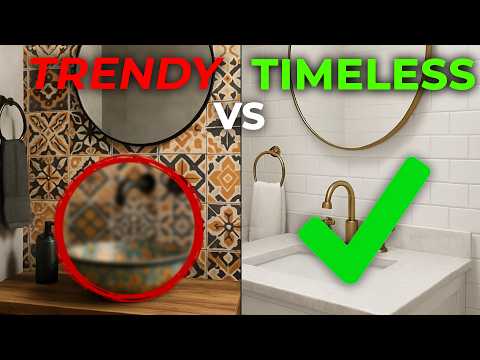
Remember that great bath design is not about following trends blindly — it is about crafting a space that reflects your personality, serves your daily needs, and stands the test of time.
Frequently Asked Questions About Bath Designs
What are the best bath design ideas for a small bathroom?
The best bath design ideas for small spaces include using large-format tiles, installing frameless glass shower enclosures, opting for a floating vanity to free floor space, and selecting light, reflective color palettes. Wall-mounted toilets and corner sinks also help maximize usable square footage. The key is to reduce visual clutter and let light flow freely throughout the room.
How much does a luxury bath design typically cost?
A luxury bath design can range from $15,000 to $50,000 or more, depending on the size of the bathroom, the quality of materials, and the complexity of the installation. High-end features like heated floors, smart mirrors, custom stone surfaces, and freestanding soaking tubs significantly increase the overall cost. Working with a professional bathroom designer helps ensure you allocate your budget wisely for maximum impact.
What is the most popular bath design color palette for 2024?
Warm neutrals dominate the most popular bath design color palettes in 2024, including soft whites, warm beiges, muted sage greens, and gentle terracotta tones. Deep navy and charcoal are also trending for those who prefer a bold, moody aesthetic. Earthy and organic color schemes continue to rise in popularity, reflecting a broader design movement toward natural, calming environments.
How do I choose the right shower design for my bathroom?
Choosing the right shower design depends on your available space, personal preferences, and budget. Walk-in showers with frameless glass work well in medium to large bathrooms, while sliding-door or corner showers are ideal for smaller spaces. For a luxurious experience, consider a rain showerhead combined with a handheld unit and multiple body jets. Always ensure proper water pressure and drainage planning before finalizing your shower design.
Can I mix different bath design styles in one bathroom?
Absolutely. Mixing styles — often called transitional or eclectic design — is a growing trend in bath design. For example, pairing a rustic farmhouse vanity with modern minimalist fixtures creates a dynamic, layered look. The key is to maintain visual cohesion by sticking to a consistent color palette, repeating certain materials or textures, and ensuring the overall layout feels intentional rather than chaotic.
What lighting is best for a bathroom bath design?
The best lighting for a bathroom combines ambient, task, and accent sources. LED strip lights under cabinets or mirrors provide ambient glow, while vanity lights flanking the mirror deliver essential task lighting for grooming. Accent lighting, such as recessed ceiling spots or LED strips behind a glass shower wall, adds depth and drama. Always choose fixtures rated for damp or wet locations to ensure safety and longevity in the bathroom environment.