


Back yard landscape design is one of the most rewarding investments a homeowner can make, transforming an ordinary outdoor space into a functional, beautiful extension of your living area. Whether you are working with a compact city lot or a sprawling suburban plot, the principles of thoughtful backyard landscaping remain the same: balance, purpose, and harmony with the natural environment. This guide dives deep into the strategies, materials, plant selections, and design techniques that separate a mediocre yard from a truly stunning outdoor retreat. If you are ready to elevate your property’s curb appeal and create a space where your family will gather for years to come, this comprehensive walkthrough covers everything from initial planning to final execution.
Understanding Back Yard Landscape Design Fundamentals
Before you dig a single hole or purchase a single plant, understanding the foundational principles of yard design sets the stage for success. Great outdoor spaces are not accidents; they are the result of intentional planning, creative vision, and practical knowledge. The following design principles form the backbone of every professional landscape project.
Key Design Principles for Backyard Spaces
Effective backyard landscaping relies on several core concepts that guide every decision:
- Unity: Repeating colors, textures, and plant varieties creates a cohesive look across the entire space.
- Balance: Symmetrical balance mirrors elements on either side of a central axis, while asymmetrical balance uses different elements of equal visual weight for a more natural feel.
- Focal Points: Every great yard needs a centerpiece—a water feature, a mature tree, a sculptural bench, or a vibrant flower bed that draws the eye.
- Proportion and Scale: Plants and hardscape elements must be sized appropriately to the yard so nothing looks lost or overwhelming.
- Transition: Gradual shifts in height, color, and texture between zones prevent jarring visual breaks.
Mastering these principles ensures your backyard landscape design feels intentional and curated rather than random or cluttered.
Planning Your Back Yard Layout: Step by Step
The planning phase is where the magic happens. Rushing into plant selection or hardscape installation without a clear layout often leads to costly mistakes and disappointed homeowners. A well-structured plan accounts for sunlight patterns, soil conditions, drainage, intended use, and maintenance commitment.
Assessing Your Site
Start by observing your yard throughout the day. Note which areas receive full sun, partial shade, or deep shade. Take a soil sample to determine pH and nutrient levels. Identify existing features you want to keep—established trees, mature shrubs, or architectural elements like a fence or patio. This assessment informs every subsequent decision in your backyard landscaping journey.

Creating Functional Zones
Divide your yard into distinct zones based on how you use outdoor space:
- Entertainment Zone: A patio or deck area with seating, dining space, and perhaps an outdoor kitchen.
- Relaxation Zone: A quiet garden nook with comfortable seating, ambient lighting, and fragrant plantings.
- Active Zone: Space for children’s play, a lawn area for sports, or a fire pit gathering circle.
- Utility Zone: Compost bins, tool storage, laundry lines, or pet areas positioned for convenience and discretion.
- Visual Zone: Flower beds, ornamental grasses, and decorative elements that enhance curb appeal and privacy.
Mapping these zones on graph paper or using free landscape design software gives you a blueprint to work from during implementation.
Best Plants and Materials for Backyard Landscaping
Selecting the right plants and materials is arguably the most impactful decision in any back yard landscape design project. The wrong choices lead to high maintenance, poor growth, and wasted money. The right choices create a thriving, low-maintenance oasis that improves with age.
Top Plant Categories for Backyard Gardens
- Native Perennials: Plants adapted to your region require less water and care while supporting local pollinators. Examples include coneflowers, black-eyed Susans, and lavender.
- Ornamental Grasses: Fountain grass, blue fescue, and switchgrass add movement, texture, and vertical interest without demanding constant attention.
- Foundation Shrubs: Boxwood, hydrangea, and butterfly bush provide structure and year-round greenery along borders and fences.
- Trees for Shade and Beauty: Dogwoods, Japanese maples, and dwarf fruit trees offer canopy coverage and seasonal color.
- Ground Covers: Creeping thyme, ajuga, and sedum suppress weeds and reduce maintenance in hard-to-mow areas.
Hardscape Materials Comparison
The hardscape elements in your backyard—pathways, patios, retaining walls, and edging—define the structure of your design. Choosing the right materials affects both aesthetics and long-term durability.
| Material | Durability | Cost Range | Best Use | Maintenance Level |
| Natural Stone | Very High | $-$$ | Patios, pathways, retaining walls | Low |
| Paver Stones | High | $ | Driveways, patios, walkways | Low-Medium |
| Bluestone | High | $$-$$ | Pool decks, elegant patios | Low |
| Gravel | Medium | $ | pathways, mulch alternatives | Medium |
| Wood/Decking | Medium | $-$$ | Decking, pergolas, fencing | Medium-High |
| Concrete | Very High | $-$ | Patios, steps, pool surrounds | Low |
Each material brings a distinct character. Natural stone offers timeless elegance, while gravel provides a relaxed, cottage-core aesthetic. Your choice should align with the overall backyard landscape design vision and your budget.
Budget-Friendly vs. Premium Design Approaches
One of the most common questions homeowners ask is whether a beautiful backyard requires a massive budget. The answer is both yes and no. Smart design choices can deliver stunning results at virtually any price point.
Affordable Backyard Landscaping Strategies
- Use native plants that are adapted to local conditions and often available at lower cost
- Incorporate mulch and gravel instead of expensive paving for large ground coverage areas
- Build raised beds and retaining walls using reclaimed bricks or stones
- Focus on a few high-impact focal points rather than landscaping the entire yard at once
- Grow plants from cuttings, seeds, or divisions to fill beds over time
Premium Design Elements Worth the Investment
- Custom-built outdoor kitchens and fire pits with premium stone or brick
- Professional irrigation systems that save water and protect plant health
- Dramatic specimen trees and mature shrubs that provide instant mature landscape impact
- Underwater lighting systems that extend usability and add nighttime ambiance
- Precision grading and drainage solutions that prevent water damage
The key is prioritizing your spending. Investing in structural elements like quality hardscape and irrigation pays dividends for decades, while seasonal plantings can be phased in over time to manage costs effectively.
Expert Tips for a Stunning Outdoor Space
After years of observing what works and what doesn’t in residential landscaping, several pro tips consistently separate outstanding back yard landscape designs from forgettable ones.
- Design for all four seasons. Choose plants with varying bloom times, interesting bark, and attractive foliage that keeps the yard visually engaging year-round.
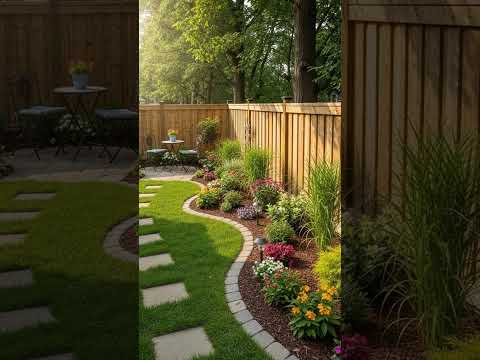
- Layer your plantings. Place tall trees in the background, medium shrubs in the middle, and low groundcovers in the front to create depth and visual richness.
- Incorporate lighting early. Plan low-voltage LED landscape lighting during the design phase so wiring can be hidden and fixtures positioned for maximum impact.
- Consider maintenance honestly. If you travel frequently or have limited time, choose drought-tolerant plants, low-maintenance ground covers, and materials that do not require constant upkeep.
- Think about privacy from the start. Strategically placed evergreen hedges, bamboo screens, or pergola plantings create secluded spaces that make the yard feel larger and more intimate.
- Use curves in hardscape. Gentle curves in pathways and garden beds feel more natural and create a sense of discovery that straight lines simply cannot achieve.
These tips may seem simple, but their consistent application transforms ordinary yards into extraordinary outdoor living spaces.
Conclusion
Back yard landscape design is equal parts art and science. It requires an understanding of spatial relationships, plant behavior, material properties, and personal lifestyle needs. By following the principles outlined in this guide—starting with thoughtful planning, selecting appropriate plants and materials, and layering in professional tips—you can create an outdoor space that delivers beauty, function, and lasting value. The best part? Great design is not about a single grand gesture but about a series of intentional decisions that compound over time into a yard you will love coming home to every single day.
Frequently Asked Questions
What are the best low-maintenance plants for a back yard landscape design?
Native perennials such as coneflowers, black-eyed Susans, ornamental grasses like blue fescue and fountain grass, and drought-tolerant shrubs like butterfly bush and juniper are excellent choices. These plants adapt well to local soil and climate conditions, require minimal watering once established, and provide year-round visual interest with very little upkeep.
How do I start a backyard landscape design on a tight budget?
Begin with a simple hand-drawn layout and focus on creating one or two high-impact zones rather than redesigning the entire yard at once. Use affordable materials like gravel for pathways, grow plants from seed or cuttings, and prioritize native species that are naturally resilient and widely available at local nurseries at lower cost.
What is the best way to handle drainage issues in a back yard landscape?
French drains, dry creek beds, and strategic grading are the most effective solutions for managing poor drainage. Rain gardens planted with water-tolerant species like sedges and rushes can absorb excess runoff naturally. For persistent problems, consult a landscape professional to assess subsurface conditions and recommend permanent drainage infrastructure.
How do I choose the right patio material for my backyard?
Consider your budget, desired aesthetic, and local climate. Natural stone like flagstone offers timeless beauty and excellent durability but comes at a higher cost. Paver stones provide versatility and are relatively affordable with a wide range of styles. Concrete is budget-friendly and can be stamped or stained to mimic pricier materials, making it a popular choice for homeowners seeking value without sacrificing appearance.
Can I design a back yard landscape myself, or should I hire a professional?
Many homeowners successfully tackle small to medium backyard projects themselves, especially when focusing on planting beds, hardscape elements, and garden borders. However, complex projects involving major grading, irrigation system installation, structural retaining walls, or large-scale hardscape work benefit significantly from professional expertise. A hybrid approach—designing the plan yourself and hiring professionals for technical installations—often delivers the best balance of creativity and quality.