Creekside outdoor living has emerged as one of the most sought-after design trends for homeowners who want to transform their backyards into serene, nature-inspired retreats. Whether you are already fortunate enough to have a creek running through your property or you are planning a waterside landscape project from scratch, the concept of integrating flowing water into your outdoor living space brings an unmatched sense of tranquility, beauty, and value. This comprehensive guide covers everything you need to know about designing, building, and maintaining a stunning creekside outdoor living area that functions as an extension of your home while celebrating the natural landscape.

What Is Creekside Outdoor Living?
Creekside outdoor living refers to the practice of designing and constructing functional entertainment and relaxation spaces along or adjacent to a natural or man-made creek. Unlike traditional backyard patios, creekside living areas are built with the waterway as a central focal point, incorporating materials, layouts, and landscaping that complement the surrounding ecosystem. This approach goes far beyond simply placing furniture near a stream — it involves thoughtful grading, erosion-resistant construction, native plantings, and intentional sightlines that maximize views of the water while ensuring safety and durability.
The goal is to create a seamless transition between your indoor living space and the natural water features outdoors. Homeowners invest in creekside decks, stone patios, pergolas, fire pits, and covered lounges that allow them to enjoy the sights and sounds of flowing water every day. The result is a deeply personal outdoor room that enhances property aesthetics and functionality simultaneously.
Why Creekside Living Spaces Are Gaining Popularity

The demand for waterside outdoor environments has surged as more homeowners prioritize biophilic design — the practice of connecting indoor spaces with nature. A well-executed creekside outdoor living area offers sensory benefits that standard patios simply cannot match. The gentle sound of running water masks urban noise, the visual movement of the stream creates a calming focal point, and the surrounding biodiversity attracts birds, butterflies, and other wildlife that enriches the experience.
From a property value perspective, homes with creek access and thoughtfully designed waterside living spaces consistently command premium resale prices. According to real estate studies, waterfront-adjacent properties — even those with small creeks rather than large rivers — tend to appreciate faster than comparable inland lots. This makes creekside outdoor living not just a lifestyle upgrade but a smart long-term investment.
Key Design Principles for Creekside Spaces
Successful creekside designs follow a few foundational principles that separate amateur attempts from professional-grade results:

- Respect the natural grade: Work with the slope of the land rather than against it. Leveling a creek-side slope too aggressively leads to drainage problems and erosion.
- Create multiple viewing angles: Position seating areas so guests can enjoy the creek from different perspectives, including elevated platforms and ground-level lounges.
- Use natural materials: Stone, reclaimed wood, and gravel blend more organically with creekside environments than concrete or synthetic alternatives.
- Prioritize safety: Install non-slip surfaces and proper railings, especially where the grade drops steeply toward the water.
- Design for all seasons: Incorporate elements like fire pits and covered shelters so the space remains usable year-round.
Planning Your Creekside Outdoor Living Project
Before breaking ground, careful planning is essential. A creekside project involves unique challenges that standard backyard renovations do not, including water proximity, soil saturation, and environmental regulations. Rushing into construction without addressing these factors can lead to costly mistakes and structural damage.
Zoning Laws and Permits You Need to Know
Most municipalities have specific regulations governing construction near waterways. Before you finalize any creekside outdoor living plans, check with your local planning department about:
- Setback requirements from the creek bank
- Erosion and stormwater management permits
- Wetland or riparian zone restrictions
- Floodplain designation and elevation requirements
Skipping this step can result in fines, forced removal of structures, or legal liability if your build disrupts natural water flow or damages neighboring properties.
Erosion Control and Water Management Strategies
Water is both the greatest asset and the biggest threat to a creekside outdoor living space. Without proper erosion control, heavy rains can wash away landscaping, undermine deck foundations, and alter the creek channel. Proven strategies include:
- Riprap stabilization: Placing large, angular stones along the creek bank to absorb water energy
- French drains: Redirecting subsurface water away from structures
- Native deep-rooted vegetation: Planting species like willows, sedges, and native grasses that anchor soil naturally
- Retaining walls: Using dry-stacked stone walls to manage grade changes without blocking water flow
- Buffer zones: Maintaining a natural strip of vegetation between the creek and hardscape to filter runoff
Creekside Outdoor Living Ideas and Inspiration
The design possibilities for a creekside retreat are nearly limitless. Below are some of the most effective and popular approaches that homeowners and landscape architects are using to create stunning waterside living spaces.
Deck and Patio Designs That Complement the Creek
A creekside deck serves as the anchor of most outdoor living plans. Elevated platform decks built with pressure-treated timber or composite decking allow homeowners to position seating and dining areas directly above or beside the water. For properties with steeper grades, multi-level deck designs create dramatic drop-off views that make the creek feel immersive.
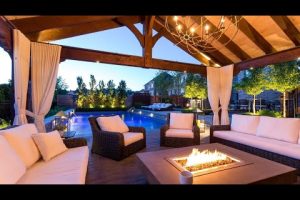
Ground-level stone patios work well on flatter terrain, offering a more intimate connection to the water. Pavers, natural flagstone, and crushed granite are popular choices because they drain well and age beautifully. Adding a built-in fireplace or a covered pergola overhead transforms a simple creekside patio into a true outdoor living room.
Water Features That Enhance the Natural Creek
Some homeowners choose to augment their existing creek with additional water features. Small boulder cascades, rock-step waterfalls, and aeration fountains can enhance the natural flow while adding visual drama. When designing these features, it is critical to ensure they blend with the existing waterway and do not interfere with aquatic ecosystems or upstream/downstream neighbors.
Landscaping for a Creekside Atmosphere
Plant selection plays a massive role in the overall feel of a creekside outdoor living space. Native riparian plants like river birch, cardinal flower, ferns, and native sedges create an authentic waterside atmosphere while supporting local wildlife. Avoid invasive species that can spread aggressively along the creek bank and disrupt natural habitats.
Best Materials for Creekside Construction
Choosing the right materials is critical for longevity and aesthetics in a creekside environment. Moisture, humidity, and fluctuating water levels demand materials that resist rot, decay, and slip hazards.
Comparing Top Materials for Creekside Builds
| Material | Durability | Water Resistance | Aesthetic Fit | Cost Range |
| Composite Decking | High | Excellent | Modern/Clean | $$ |
| Natural Stone (Flagstone) | Very High | Excellent | Rustic/Organic | $ |
| Pressure-Treated Timber | Moderate-High | Good (with sealant) | Traditional/Warm | $ |
| Reclaimed Wood | Moderate | Good | Rustic/Character | $ |
| Concrete Pavers | Very High | Excellent | Versatile | $ |
| Boulder/Riprap | Extremely High | N/A (structural) | Natural/Wild | Varies |
Composite decking and natural stone tend to offer the best long-term value for creekside environments because they resist moisture absorption, insect damage, and UV degradation far better than untreated wood.
Maintaining Your Creekside Outdoor Living Space
Ongoing maintenance is what separates a beautiful creekside retreat from a deteriorating eyesore. Because your outdoor living space sits in close proximity to water, it faces unique wear patterns that require a proactive maintenance schedule.
Inspect deck boards and railing systems at least twice a year for signs of rot, loosening fasteners, or mold growth. Reapply sealant or water-repellent treatments to wooden structures annually. Clear debris from the creek bank after storms to prevent blockages that can redirect water flow toward your hardscape. Check retaining walls and riprap arrangements for displacement after heavy rain events. Keeping native plantings trimmed and healthy also prevents overgrowth that can obstruct views or attract pests near your living spaces.
For stone and paver surfaces, power wash annually and re-sand joints as needed to prevent weed growth and shifting. A well-maintained creekside outdoor living area will remain beautiful, safe, and functional for decades.
Creekside Outdoor Living: Long-Tail Keyword FAQs
What are the best creekside outdoor living ideas for small backyards?
For smaller properties, focus on a compact elevated deck with integrated built-in bench seating and a small fire table. Use vertical landscaping with potted native plants to add greenery without eating into floor space. A narrow stone pathway leading to the creek edge creates the feeling of a larger space without requiring extensive square footage.
How much does it cost to build a creekside deck or patio?
Costs vary widely based on materials, creek bank conditions, and local labor rates. A basic composite creekside deck typically runs between $40 and $80 per square foot installed, while a natural stone patio can range from $50 to $120 per square foot. Budget an additional 15-20% for erosion control measures and grading work, which are essential for any creekside construction project.
Do I need a permit to build an outdoor living space near a creek?
In most jurisdictions, yes. Construction within a certain distance of a waterway typically requires permits related to erosion control, stormwater management, and wetland or riparian buffer zones. Contact your local building department and environmental agency before starting any creekside outdoor living project to avoid costly compliance issues.
What is the best flooring material for a creekside patio?
Natural flagstone and composite decking are the top choices for creekside flooring. Flagstone offers an organic, slip-resistant surface that ages gracefully, while composite decking provides superior moisture resistance and requires minimal upkeep. Avoid standard hardwood without marine-grade treatment, as constant proximity to water accelerates decay significantly.
How do I prevent my creekside outdoor living area from flooding during heavy rain?
Proper grading is the single most important factor. Ensure that hardscape surfaces slope away from the creek channel toward designated drainage paths. Install French drains along the uphill edge of your patio or deck, and maintain a buffer zone of permeable ground cover between the structure and the bank. Elevating the living space on a raised deck also helps keep foot traffic and furniture above normal water levels.
Final Thoughts on Creekside Outdoor Living
Creekside outdoor living represents the pinnacle of what modern backyard design can achieve — a space that merges architectural intention with the raw beauty of nature. By approaching your project with careful planning, the right materials, and respect for the natural waterway, you can create an outdoor living area that delivers years of enjoyment, boosts your property value, and provides a genuine sanctuary from the demands of daily life. Start with a clear vision, consult local regulations early, and invest in quality construction. The creek is your greatest asset; your creekside outdoor living space should be designed to let it shine.