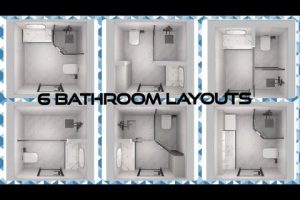
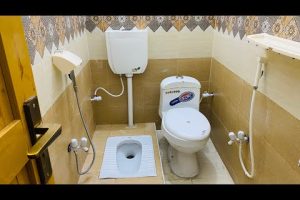
When it comes to transforming one of the most functional yet personal spaces in any home, bathroom design stands at the intersection of aesthetics, engineering, and lifestyle planning. A well-designed bathroom does more than look stunning—it enhances daily routines, increases property value, and creates a retreat-like atmosphere right inside your home. Whether you are planning a compact powder room or a luxurious master bath spanning over 100 square feet, understanding the core principles of bathroom design is essential. This guide dives deep into every aspect of bathroom interior design, from spatial planning and material selection to lighting strategies and budget-conscious decisions that deliver high-end results.
Understanding the Core Principles of Bathroom Design
Before selecting tiles or picking out faucet finishes, it helps to understand what actually makes bathroom design work. Great bathroom spaces are built on a foundation of five core principles: functionality, flow, visual balance, moisture management, and personal expression. Each principle influences the others, and ignoring even one can lead to a space that looks beautiful on day one but becomes frustrating to use over time.
Functionality should always drive the layout. Ask yourself: How many people will use this bathroom daily? Do I need dual vanities? Is there a bathtub, a walk-in shower, or both? The answers to these questions determine everything from fixture placement to the overall square footage allocation.
Flow refers to the physical movement through the space. You should be able to open cabinet doors, access the toilet comfortably, and move freely without bumping into fixtures. A common mistake in bathroom design is crowding too many elements into a tight footprint without accounting for clearance zones.
Zoning Your Bathroom Layout
Professional interior designers often talk about zoning, which means dividing the bathroom into distinct functional areas. The most common zones include:

- The Wet Zone: Shower and bathtub area, designed to contain water
- The Hygiene Zone: Toilet and associated ventilation
- The Grooming Zone: Vanity area with countertop, mirror, and storage
- The Storage Zone: Cabinets, shelves, and linen closets
Separating these zones—even visually—creates a sense of order and makes cleaning significantly easier.
Small Bathroom Design: Maximizing Every Square Foot
Not everyone has the luxury of a sprawling master bath. Small bathroom design requires strategic thinking and creative solutions to make compact spaces feel open, bright, and functional.
Key strategies for small bathroom design include:
- Choose wall-mounted vanities to free up floor space and create an airy feel
- Use large-format tiles to reduce grout lines and visually expand the room
- Install frameless glass shower enclosures instead of curtained stalls
- Opt for floating shelves instead of bulky cabinetry
- Incorporate mirrors strategically to reflect light and amplify perceived space
- Select a sliding pocket door to eliminate swing space requirements
Color palette also plays a significant role in small bathroom design. Light neutrals—think soft whites, warm beiges, and pale grays—reflect more light and make walls appear farther apart. Adding a single accent color through towels, artwork, or a feature wall keeps the space from feeling sterile.
Modern vs. Classic Bathroom Aesthetics
One of the most popular debates in contemporary bathroom design is choosing between modern and classic aesthetics. Both styles have distinct advantages, and the right choice depends on your personal taste, home architecture, and long-term design goals.
| Feature | Modern Bathroom Design | Classic Bathroom Design |
| Fixtures | Clean lines, geometric shapes, matte black or chrome finishes | Curved silhouettes, polished chrome, vessel sinks |
| Color Palette | Monochromatic with bold accent tones | Soft whites, creams, and muted pastels |
| Materials | Concrete, porcelain slabs, tempered glass | Marble, natural stone, brass accents |
| Storage | Hidden, minimalist cabinets | Open shelving with decorative baskets |
| Best For | Urban apartments, contemporary homes | Traditional homes, ranch-style properties |
| Longevity | Trend-forward; may need updates sooner | Timeless appeal; ages gracefully |
Many homeowners are now blending elements from both styles, creating what designers call transitional bathroom design. This approach pairs modern fixtures with classic materials, offering the best of both worlds without committing fully to either aesthetic.
Material Selection for Bathroom Spaces
Choosing the right materials is arguably the most critical decision in any bathroom renovation. Bathrooms face unique challenges: constant moisture exposure, temperature fluctuations, and heavy daily use. The materials you select must withstand these conditions while delivering the visual impact you desire.

Popular bathroom flooring materials and their properties:
- Porcelain Tile: Extremely durable, water-absorption rate below 0.5%, available in nearly any style
- Natural Stone (Marble, Travertine): Luxurious appearance but requires sealing and ongoing maintenance
- Luxury Vinyl Plank (LVP): Waterproof, affordable, comfortable underfoot, and easy to install
- Engineered Stone Composite: Non-porous, consistent pattern, excellent for wet environments
For walls and shower surrounds, ceramic and porcelain tiles remain the gold standard in bathroom design. However, large-format porcelain slabs are increasingly popular because they reduce grout lines and create a seamless, spa-like appearance. When selecting wall materials, always prioritize moisture resistance and ease of cleaning.
Countertop and Vanity Considerations
The bathroom vanity serves as the visual anchor of the space, and countertop material plays a huge role in both appearance and durability. Quartz is the leading choice in modern bathroom design because it is non-porous, scratch-resistant, and available in virtually every color and pattern. Natural marble offers unmatched elegance but demands regular sealing and careful maintenance. For budget-conscious projects, engineered quartz alternatives provide excellent performance at a fraction of the cost.
Lighting and Ventilation: The Unsung Heroes of Bathroom Design
Lighting can make or break a bathroom design. A poorly lit bathroom feels cramped, uninviting, and functional in the worst way. A thoughtfully lit bathroom feels luxurious, spacious, and welcoming.
Layered lighting is the key to exceptional bathroom design:
- Ambient Lighting: Recessed ceiling lights or a central pendant that provides overall illumination
- Task Lighting: Vanity lights on either side of the mirror to eliminate facial shadows for grooming
- Accent Lighting: LED strips behind mirrors, toe-kick lighting, or recessed niche lights inside showers
Color temperature matters significantly in bathroom lighting. Warm white bulbs (2700K–3000K) create a spa-like atmosphere, while cool white bulbs (4000K–5000K) provide better color accuracy for shaving and makeup application. Many designers recommend a 3500K neutral white as the most versatile option.
Ventilation is equally important. A bathroom without adequate ventilation traps moisture, leading to mold, mildew, and potential structural damage over time. Installing a high-quality exhaust fan with a humidity sensor is one of the smartest investments you can make in bathroom renovation. For larger bathrooms or those without windows, mechanical ventilation is not optional—it is essential.
Budget-Friendly Bathroom Design Tips
You do not need a massive budget to achieve a stunning bathroom design. With smart planning and strategic spending, it is entirely possible to refresh your space without breaking the bank.
- Repaint rather than retile: A fresh coat of high-quality moisture-resistant paint transforms the room instantly at a fraction of the cost
- Update fixtures: Replacing outdated faucets, showerheads, and cabinet hardware delivers a dramatic visual impact for a relatively small investment
- Focus on one focal point: Invest in a statement mirror or a premium showerhead rather than upgrading every element
- DIY what you can: Painting, vanity installation, and accessory swaps are beginner-friendly projects that save significant labor costs
- Shop sales and outlets: High-quality porcelain tiles and fixtures are often available at deep discounts from overstock and closeout retailers
The key is to prioritize changes that deliver the highest visual impact per dollar spent. Fixtures, mirrors, lighting, and paint are your most powerful tools for a budget bathroom redesign.
Frequently Asked Questions About Bathroom Design
What are the best bathroom design trends for 2025?
The leading bathroom design trends for 2025 include biophilic elements like natural wood and stone, freestanding soaking tubs, walk-in showers with frameless glass, matte black fixtures, and integrated technology such as smart mirrors with built-in lighting and Bluetooth speakers. Oversized tile formats and monochromatic color schemes continue to dominate.
How do I choose the right bathroom vanity size?
Measure your available wall space and account for clearance requirements. A single vanity should be at least 30 inches wide, while double vanities typically start at 60 inches. Leave a minimum of 30 inches of walking space in front of the vanity, and ensure the door or drawer clearance does not conflict with other fixtures.
What is the most durable material for bathroom countertops?
Engineered quartz is widely considered the most durable bathroom countertop material due to its non-porous surface, scratch resistance, and minimal maintenance requirements. Porcelain slabs and solid surface materials like Corian are also excellent choices for long-lasting performance in wet environments.
How much does a bathroom remodel typically cost?
Bathroom remodeling costs vary widely depending on scope, materials, and location. A mid-range bathroom renovation typically runs between $10,000 and $25,000 in the United States, while luxury bathroom design projects can exceed $50,000. Cosmetic updates like paint, fixtures, and accessories can refresh a bathroom for as little as $2,000 to $5,000.
Should I use a shower curtain or a glass enclosure?
Glass enclosures are more durable, easier to clean, and create a more premium feel in bathroom design. However, shower curtains are more affordable, come in endless style options, and work well in very small bathrooms where glass would feel restrictive. A compromise many homeowners choose is a half-glass enclosure paired with a fabric curtain for flexibility.
How do I prevent mold and moisture damage in my bathroom?
Ensure proper ventilation with a quality exhaust fan, use moisture-resistant materials like porcelain tile and sealed natural stone, apply grout sealant annually, and wipe down wet surfaces after each use. Avoid carpet or fabric materials in the bathroom, and consider installing a humidity-sensing fan that activates automatically when moisture levels rise.
Final Thoughts: Designing Your Dream Bathroom
Bathroom design is a deeply personal process that balances practical needs with aesthetic vision. The best bathroom spaces are not the most expensive ones—they are the ones thoughtfully planned with care, attention to detail, and a clear understanding of how the space will be used every single day. Whether you are working with 30 square feet or 200 square feet, whether your style leans minimalist or traditional, the principles remain the same: plan the layout around function, select materials that can handle moisture, layer your lighting for both beauty and utility, and invest in details that reflect your personal taste.
Start with a clear vision, set a realistic budget, prioritize the changes that matter most, and remember that bathroom design is a journey, not a single decision. Take your time, do your research, and trust your instincts. The result will be a space that not only looks incredible but makes every morning a little better.