When most people think about transforming their outdoor space, they picture a lush garden or a neatly trimmed lawn — but the truth is that design landscape is so much more than that. It is a deliberate, creative, and technically grounded process that blends artistry with environmental science to produce functional, beautiful outdoor environments. Whether you are a homeowner dreaming of a backyard retreat or a professional exploring landscape architecture as a career, understanding the principles, styles, and practical steps involved in landscape design is essential. This comprehensive guide walks you through everything from foundational concepts to advanced strategies, helping you make informed decisions that elevate any outdoor space.
What Is Design Landscape?
Design landscape — often referred to as landscape design or landscape planning — is the process of envisioning, planning, and arranging the elements of an outdoor area. It encompasses both softscape components like plants, flowers, and turf, as well as hardscape features such as patios, pathways, retaining walls, and water installations. A skilled landscape designer coordinates these elements to achieve harmony between form and function, ensuring that the space looks stunning while meeting the practical needs of its users.
The field sits at the intersection of art, horticulture, environmental science, and urban planning. Unlike simply planting a few shrubs or laying down mulch, professional landscape design involves site analysis, soil assessment, drainage planning, zoning considerations, and long-term maintenance forecasting. It is a discipline that rewards both creativity and technical knowledge.
Core Principles of Landscape Design
Great outdoor spaces do not happen by accident. They follow established design principles that guide balance, rhythm, and visual flow. Understanding these principles is the first step toward mastering landscape design, whether you are working on a small urban courtyard or a sprawling residential estate.
Unity and Harmony
Unity ensures that all elements in a landscape feel like they belong together. This is achieved through consistent materials, repeating plant species, and a cohesive color palette. When every component — from the fence material to the flower bed edging — shares a visual connection, the result is a polished, intentional look.
Balance and Symmetry
Balance can be formal (symmetrical) or informal (asymmetrical). Formal balance is ideal for structured gardens and classical estates, while asymmetrical balance works well in naturalistic or cottage-style landscapes. Both approaches create visual stability, but through different mechanisms.
Proportion and Scale
Every element in your landscape should relate well to the size of the property and to one another. An oversized fountain in a tiny courtyard, for instance, will feel overwhelming. Conversely, miniature plantings in a large estate may get lost. Proper proportion keeps the design grounded and comfortable.
Focalization
Every well-designed landscape has a focal point — a feature that draws the eye and anchors the composition. This could be a specimen tree, a sculpture, a water feature, or an architectural element like an arbor. Strategic focalization gives the space a sense of purpose and direction.
Transition and Rhythm
Smooth transitions between different zones — say, from a formal entry garden to a relaxed seating area — prevent a landscape from feeling choppy. Rhythm is created through repeated patterns, such as evenly spaced columns, alternating plant colors, or a curving pathway that leads visitors through the space.
Popular Landscape Design Styles
Choosing a style sets the tone for your entire project. Different design traditions bring distinct aesthetics, plant palettes, and material choices to the table. Below is a comparison of some of the most sought-after landscape design styles:
| Style | Key Features | Best Suited For | Maintenance Level |
| Modern Minimalist | Clean lines, limited plant palette, geometric hardscape, gravel and concrete | Urban homes, contemporary architecture | Low |
| English Cottage | Lush borders, climbing roses, stone walls, winding paths | Traditional homes, rural settings | High |
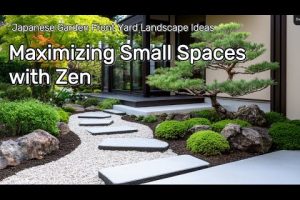
| Japanese Zen | Raked gravel, moss, pruned pines, water basins, simplicity | Meditation spaces, minimalist architecture | Moderate |
| Mediterranean | Terracotta, olive trees, lavender, stone terraces, drought-tolerant plants | Warm climates, Tuscan-style homes | Low to Moderate |
| Tropical | Bold foliage, palm trees, water features, vibrant blooms | Subtropical regions, resort-style living | Moderate to High |
| Xeriscape | Native plants, efficient irrigation, rocks, low-water groundcovers | Arid climates, eco-conscious homeowners | Low |
Selecting the right style depends on your climate, architectural context, personal taste, and how much time you are willing to invest in upkeep. Many modern landscapes blend elements from multiple traditions — a practice often called eclectic or fusion landscape design.
Steps to Plan Your Landscape Design

Turning a blank canvas into a finished outdoor space requires a structured approach. Here is a step-by-step breakdown that professional landscape designers typically follow:
- Site Analysis: Assess the existing conditions — soil type, sun exposure, drainage patterns, slopes, and existing vegetation. This data shapes every decision that follows.
- Define Goals and Functions: What will the space be used for? Entertaining, gardening, relaxation, play areas, or privacy? List priorities clearly.
- Create a Budget: Landscape projects can range from a few hundred dollars to six figures. Establishing a realistic budget early prevents mid-project disappointments.
- Draft a Layout: Sketch or use software to map out zones, pathways, planting beds, and structures. Consider how people will move through the space.
- Select Materials and Plants: Choose hardscape materials (stone, wood, pavers) and plants suited to your region, soil, and light conditions.
- Plan for Phasing: Large projects are often completed in phases. Plan which elements come first so you can enjoy portions of the landscape while construction continues.
- Execute Installation: Hire professionals or take on DIY tasks based on skill level. Always start with hardscape, then move to softscape planting.
- Establish a Maintenance Routine: Regular watering, pruning, fertilizing, and seasonal cleanups keep the landscape looking its best over the long term.
Tools and Software for Landscape Designers
Technology has revolutionized how landscape designers plan and present their ideas. Here are some essential tools and platforms used across the industry:
- AutoCAD Landscape: Industry-standard software for creating precise site plans and hardscape drawings.
- SketchUp: A user-friendly 3D modeling tool perfect for visualizing structures, decks, and garden features.
- LandFX: Specialized landscape design software that integrates planting plans, irrigation layouts, and 3D visualization.
- iScape: A mobile app that allows designers and homeowners to overlay design elements onto photos of their real property.
- Photoshop and Rendering Tools: Used to create photorealistic landscape renderings that help clients visualize the final result.
- Google Earth and GIS Tools: Useful for satellite imagery, topography analysis, and understanding the broader environmental context.
Choosing the right tool depends on your experience level, project complexity, and whether you need to present professional-grade plans to clients or contractors.
Professional Landscape Design vs. DIY Approach

One of the most common decisions homeowners face is whether to hire a landscape designer or tackle the project themselves. Both approaches have valid advantages and trade-offs:
| Factor | Professional Design | DIY Landscape Design |
| Expertise Level | High — trained in horticulture, design theory, and engineering | Variable — depends on research and personal skill |
| Cost | Higher — design fees plus installation costs | Lower — saves on professional fees |
| Time Investment | Managed by professionals; faster turnaround | Significant personal time required |
| Customization | Tailored to your vision with expert refinement | Limited by your knowledge and creativity |
| Long-Term Value | Often increases property value significantly | Can be highly rewarding but risk of costly mistakes |
| Project Management | Handled end-to-end | You coordinate all contractors and materials |
For large-scale or complex projects — especially those involving grading, irrigation systems, or structural retaining walls — hiring a licensed landscape professional is strongly recommended. Smaller residential projects, however, can often be successfully managed as DIY efforts with careful planning and online resources.
Tips for Sustainable Landscape Design
Sustainability has become a defining trend in landscape architecture. Eco-conscious design not only reduces environmental impact but also lowers long-term maintenance costs. Here are expert strategies to make your landscape more sustainable:

- Choose Native Plants: Native species are adapted to local climate and soil, requiring less water, fertilizer, and pest management.
- Install Rain Gardens: These planted depressions capture stormwater runoff, reducing erosion and filtering pollutants naturally.
- Use Permeable Paving: Permeable pavers and gravel surfaces allow water to infiltrate the ground rather than flowing into storm drains.
- Compost and Mulch: Organic mulch suppresses weeds, retains moisture, and enriches soil as it decomposes.
- Optimize Irrigation: Drip irrigation systems deliver water directly to plant roots, cutting waste by up to 60 percent compared to conventional sprinklers.
- Incorporate Renewable Materials: Reclaimed wood, locally sourced stone, and recycled composite materials reduce the carbon footprint of hardscape construction.
Common Mistakes to Avoid in Landscape Design
Even experienced designers can stumble. Here are frequent pitfalls to watch out for:
- Ignoring drainage — water pooling or flooding can destroy plantings and damage structures.
- Overplanting — overcrowded beds lead to competition for light, nutrients, and airflow.
- Neglecting mature plant size — planting too close to buildings or pathways causes problems down the road.
- Mismatching style and architecture — a formal garden around a modern home can feel jarring without careful transition.
- Skipping lighting — outdoor lighting affects safety, ambiance, and the usability of your space after dark.
Frequently Asked Questions About Design Landscape
What is the difference between landscape design and landscape architecture?
Landscape design generally refers to the aesthetic and functional planning of outdoor spaces, often at a residential scale. Landscape architecture is a broader, more technical discipline that includes engineering, environmental planning, and large-scale site design. Licensed landscape architects can approve structural and grading plans, while landscape designers typically focus on creative and horticultural elements.
How much does a professional landscape design cost?
Landscape design fees vary widely based on project scope and location. A simple residential plan might cost between $500 and $2,000, while comprehensive designs for large properties can range from $5,000 to $20,000 or more. These fees are sometimes credited toward construction if you hire the same firm to build the design.
What is the best season to start a landscape design project?
Spring and early fall are ideal. Spring allows plants to establish before summer heat, while fall gives roots time to develop before winter dormancy. However, design and planning can happen year-round, and starting the conceptual process in winter means you will be ready to install as soon as conditions improve.
How long does a typical landscape design project take from start to finish?
A small to medium residential landscape project typically takes two to six weeks for the design phase, followed by another two to eight weeks for installation depending on complexity. Large commercial projects or those involving extensive grading and infrastructure can take several months to a year from concept to completion.
Can landscape design increase my property value?
Yes. According to multiple real estate studies, well-designed landscaping can increase property value by 5 to 12 percent. Curb appeal matters to buyers, and thoughtfully designed outdoor spaces signal quality, care, and move-in readiness.
What plants are easiest for beginners in landscape design?
Beginners should start with hardy, low-maintenance species such as lavender, hostas, daylilies, ornamental grasses, boxwood, and native wildflowers. These plants are forgiving, widely available, and forgiving of minor care mistakes, allowing new designers to build confidence before tackling more demanding species.
Conclusion
Design landscape is a multifaceted discipline that transforms ordinary outdoor spaces into extraordinary environments. From understanding foundational principles like balance, proportion, and focalization to selecting the right plants, materials, and tools, every decision contributes to the success of the final result. Whether you choose to partner with a professional landscape designer or embark on a DIY journey, the key is to approach the process with intention, patience, and a willingness to learn. Sustainable practices, careful planning, and a clear vision will ensure that your landscape not only looks beautiful today but thrives for years to come. Start exploring the possibilities — your outdoor space deserves nothing less than a thoughtfully designed transformation.