


For millions of passionate gardeners around the world, the phrase app garden has become more than just a catchy term — it represents a carefully curated digital toolkit that transforms how they plan, plant, nurture, and harvest their green spaces. Whether you are a first-time planter with a single balcony herb box or a seasoned horticulturist managing a sprawling backyard landscape, the right combination of gardening applications can elevate your experience from frustrating guesswork to confident, data-driven cultivation. In this comprehensive guide, we will explore what it means to build an app garden, highlight the most powerful mobile applications available today, and provide actionable strategies for selecting the perfect tools that match your skill level, garden type, and personal goals.
What Is an App Garden and Why Modern Gardeners Need One
The concept of an app garden mirrors the principles of a living garden. Just as you would thoughtfully arrange plants based on sunlight, soil type, and companion planting, building an app garden means intentionally selecting and organizing mobile applications that work together to support every phase of your gardening journey. Think of it as your personal digital greenhouse — a space where technology and nature intersect to make gardening more accessible, more rewarding, and significantly more efficient.
The explosion of smartphone-based gardening tools over the past five years has been remarkable. According to industry data, downloads of top gardening apps surged by over 60 percent between 2020 and 2023, driven by pandemic-era interest in home food production, urban balcony gardening, and sustainable living movements. Today, app stores feature thousands of gardening-related applications ranging from basic plant identification tools to sophisticated garden design platforms with 3D visualization capabilities.
A well-built app garden gives you plant care reminders, soil health tracking, pest identification assistance, seasonal planting calendars, and even community forums where you can connect with fellow gardeners facing similar climate challenges. The key is not downloading every single app you find — it is curating a focused collection that eliminates digital noise and delivers genuine, everyday value.
Top Garden Apps to Include in Your App Garden
Selecting which applications deserve a spot in your digital garden depends on what kind of gardener you are and what challenges you face most frequently. Below are the essential categories and standout apps that consistently earn high marks from both casual hobbyists and professional landscapers.
Plant Identification and Diagnosis
If you have ever stared at an unfamiliar leaf and wondered what species it belongs to, you understand the value of plant identification apps. PictureThis and PlantNet lead this category, using advanced computer vision algorithms to identify over 10,000 plant species from a single photograph. PlantSnap offers a similar experience with added disease diagnosis features that help you catch problems before they spread. For organic gardeners, Seek by iNaturalist provides identification without requiring an account, keeping your data private.
Garden Design and Planning
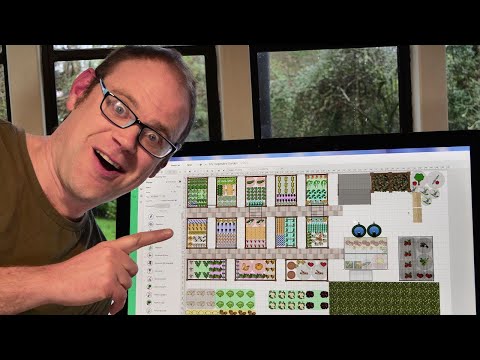
Before you break ground, you need a plan. Apps like Garden Planner and SmartDraw allow you to create detailed garden layouts on your tablet or phone. GrowIt! combines design functionality with a powerful social network, letting you see what plants thrive in your specific hardiness zone and connect with local gardeners who can offer firsthand advice.
Watering and Plant Care Tracking
Overwatering kills more houseplants than underwatering, yet most people struggle to maintain consistent care schedules. Planta and Waterbot send intelligent notifications based on each plant’s species, pot size, light exposure, and current season. Garden Tags adds a journal component, allowing you to photograph and log your plants’ progress over weeks and months.
Vegetable and Edible Garden Management
For those focused on growing their own food, apps like Veggie Garden Planner and Harvest Helper provide planting schedules based on your zip code or coordinates, companion planting charts, and harvest timing predictions. These tools are invaluable for anyone practicing square foot gardening, raised bed cultivation, or season extension techniques like cold frames and row covers.
How to Choose the Right Apps Based on Your Gardening Level
Not every gardener needs the same set of tools. Here is a breakdown of how to build your app garden whether you are a beginner, intermediate grower, or advanced horticulturist.
For Beginners
If you are just starting out, keep your app garden simple and focused on fundamentals:
- One reliable plant identification app to learn the names of plants in your area
- A basic watering reminder app to establish consistent habits
- A general gardening blog or news app like Gardenista or Epic Gardening for ongoing education
The biggest mistake beginners make is downloading too many apps at once, which creates overwhelm and rarely leads to consistent usage. Start with three tools maximum, use them daily for at least thirty days, and then evaluate whether you need additional functionality.
For Intermediate Gardeners
Once you have mastered the basics, your app garden should expand to include design tools and community features:
- Garden design software for planning seasonal rotations and companion planting layouts
- Soil testing apps that interpret lab results or use sensor-connected devices to measure pH and nutrient levels
- Pest and disease databases with image recognition capabilities for rapid problem-solving
- Local weather integration apps that provide hyperlocal frost dates and rainfall predictions
For Advanced Gardeners and Professionals
Experienced growers benefit from deeper, more technical tools:
- GIS-based garden mapping applications that track soil amendments and crop yields across multiple seasons
- Smart irrigation controllers like Rachio or Netro that integrate weather data with automated watering schedules
- Seed inventory and genealogy tracking apps for seed savers managing heirloom varieties
- Business management apps for those selling at farmers markets or running a small nursery operation
Building Your Perfect App Garden: Practical Recommendations
Curating an effective app garden requires the same patience and observation you would apply to a physical garden. Start by identifying your biggest pain points. Are you constantly forgetting to water? Do you struggle with pest identification? Are you planning a major landscape redesign? Write down your top three challenges, then research apps that specifically address those needs.
Test each app for at least two weeks before committing. Pay attention to user interface design, notification frequency, offline functionality, and data privacy policies. Some free apps monetize by selling your gardening data, which is worth considering if digital privacy matters to you. Premium subscriptions often unlock offline plant databases, ad-free experiences, and advanced analytics — so weigh whether those features justify the cost based on how frequently you actually use the app.
One often-overlooked strategy is creating a dedicated folder on your phone’s home screen labeled “App Garden.” This simple organizational step reduces friction and makes it easy to access your tools in the field, even with muddy hands. Pair your digital tools with smart garden sensors, Bluetooth-enabled soil moisture meters, and wearable weather alerts to create a seamless ecosystem that bridges the gap between your phone and your physical garden beds.
Comparison: Best Garden Apps by Category
| Category | Top App | Best For | Pricing |
| Plant ID | PictureThis | Instant species recognition | Free / Premium $29.99/yr |
| Garden Design | Garden Planner | Layout planning and crop rotation | $40/year |
| Watering Reminders | Planta | Houseplant and outdoor care schedules | Free / Premium $7.99/mo |
| Community | GrowIt! | Local gardener networking | Free |
| Edible Gardening | Veggie Garden Planner | Vegetable crop planning | $5.99 one-time |
| Smart Irrigation | Rachio | Automated watering systems | Hardware + $9.99/mo |

Expert Tips for Maintaining a Useful App Garden
Even the best curated collection of tools can become cluttered over time. Here are some expert strategies to keep your app garden thriving:
- Audit quarterly. Every three months, review which apps you have actually opened and remove any that have not been used in 30 days
- Update regularly. Developers release bug fixes and new features frequently — outdated apps can cause inaccurate data or crashes
- Sync across devices. Choose apps that offer cloud backup so your garden data is accessible on your phone, tablet, and desktop
- Join in-app communities. The knowledge shared by other users often surpasses what any single app’s built-in database can offer
- Combine digital and physical. Print seasonal planting calendars from your apps and post them in your garden shed for quick reference without needing a screen
Frequently Asked Questions
What is the best free garden app for beginners?
Planta and Garden Tags both offer robust free tiers that cover plant identification, watering reminders, and care schedules without requiring a paid subscription. For pure identification, Seek by iNaturalist is completely free and does not require creating an account, making it the most accessible option for anyone just getting started.
Can gardening apps really improve my plant health?
Yes, when used consistently and appropriately. Apps that provide species-specific care instructions, seasonal reminders, and disease alerts have been shown to reduce plant loss rates by helping users catch problems early and maintain proper care schedules. However, no app replaces hands-on observation — use digital tools as complements to your own experience and intuition.
Do garden apps work offline?
This varies significantly by application. Most plant identification apps require an internet connection for image processing, but many allow you to download plant databases in advance for offline access. Apps like Planta and Garden Planner offer offline modes for viewing saved data, though real-time features like weather updates and community interactions will not function without a connection.
How do I protect my privacy when using gardening apps?
Review each app’s privacy policy before downloading. Look for applications that explicitly state they do not sell your personal or garden data to third parties. Seek by iNaturalist and PlantNet are generally considered privacy-friendly options. Avoid apps that request unnecessary permissions like contact access or location tracking beyond what is needed for their core functionality.
What is the best app for planning a vegetable garden layout?
Veggie Garden Planner is widely regarded as the best dedicated vegetable garden layout app, offering intuitive drag-and-drop bed design, companion planting suggestions, and planting schedules tailored to your specific climate zone. For a more comprehensive approach, Garden Planner supports both ornamental and edible garden designs with detailed spacing requirements and crop rotation tracking across multiple seasons.
Are smart garden sensors worth integrating with my app garden?
For serious gardeners, yes. Smart sensors like those from Netro, Rachio, and Ecowitt provide real-time soil moisture, pH, temperature, and light data that sync directly to their companion apps. These tools remove guesswork from watering and fertilization decisions, and they pay for themselves through reduced water waste and healthier plants over a single growing season.
Conclusion
Building an app garden is one of the most practical investments you can make as a modern gardener. By thoughtfully selecting applications that address your specific needs — whether that is identifying mystery plants, designing beautiful layouts, tracking watering schedules, or connecting with a community of like-minded growers — you create a digital support system that works alongside your physical garden every single day. Start small, stay intentional, audit regularly, and watch as your curated collection of tools grows just as abundantly as the plants you tend. The best app garden is not the one with the most downloads — it is the one that consistently helps you grow a healthier, more productive, and more joyful garden.