


There is something deeply satisfying about transforming a raw piece of wood into something functional, beautiful, or both. Whether you are a complete beginner picking up a hand saw for the first time or a seasoned craftsman looking for your next ambitious build, the world of cool things to make with wood offers virtually limitless creative possibilities. From simple desk organizers that look stunning on a workspace to intricate live-edge dining tables that become the centerpiece of a home, woodworking projects carry a warmth and authenticity that mass-produced items simply cannot replicate. In this comprehensive guide, we will walk you through dozens of inspiring project ideas across every skill level, recommend the best wood species for each build, share essential tool knowledge, and answer the most common questions aspiring and experienced woodworkers ask every day.
Why Woodworking Is One of the Most Rewarding Creative Outlets
Before diving into specific projects, it is worth understanding why working with wood has captivated humans for thousands of years. Wood is a natural, sustainable, and incredibly versatile material that responds beautifully to carving, shaping, sanding, staining, and finishing. Unlike plastic or metal, wood has a grain pattern, warmth, and character that evolves over time. Every board tells a story through its knots, color variations, and figuring. When you create something with your hands from wood, you are not just building an object — you are crafting a piece of functional art that can last for generations.
The DIY woodworking community has exploded in recent years, driven by platforms like YouTube, Instagram, and Pinterest where makers share their builds in stunning detail. This accessibility means that high-quality plans, tutorials, and inspiration are now available to anyone with an internet connection and a willingness to learn.
Cool Beginner Woodworking Projects
If you are just starting out, the key is to choose projects that teach fundamental skills without overwhelming you. Here is a curated list of easy woodworking projects that produce impressive results and build your confidence quickly.
1. Rustic Wall Shelf
A simple wall shelf made from a single plank of pine or reclaimed barn wood is one of the most satisfying first projects. You practice straight cuts, sanding, and basic finishing. Add wooden brackets or floating mounts, and you have a display piece that immediately elevates any room.
2. Wooden Coaster Set
Cut squares or circles from hardwood scraps, sand them smooth, and apply food-safe oil or beeswax. These make excellent gifts and handmade home décor, and you can batch-produce dozens in an afternoon.
3. Floating Wooden Box Organizer
Using basic box joints or even simple butt joints, assemble a shallow wooden box with dividers. Mount it on a wall in your garage or workshop to hold tools, small parts, and supplies in an organized, visually appealing way.
4. Picture Frame with Mitered Corners
Learning to cut precise 45-degree miter joints is a foundational skill. A custom picture frame lets you practice this technique while creating a thoughtful personalized gift.
5. Wooden Pen or Pencil
Pen turning kits are affordable and beginner-friendly. Using a mini lathe, you turn a pen blank into a sleek writing instrument that people are genuinely surprised came from a piece of wood.
Intermediate Wood Projects That Impress

Once you have mastered basic cuts, sanding, and finishing, it is time to level up. Intermediate projects introduce joinery techniques, curved shapes, and more complex design elements.
1. Live-Edge Coffee Table
Live-edge furniture is one of the biggest trends in modern woodworking and interior design. By preserving the natural bark edge of a slab — often walnut, cherry, or mesquite — you create a coffee table that looks like a sculpture. Epoxy resin river fills are a popular addition, creating a striking contrast between the organic wood and glossy, colored resin.
2. Custom Cutting Board
End-grain and edge-grain cutting boards are excellent intermediate projects. You learn about wood selection, grain orientation, waterproof gluing techniques, and careful sanding to food-safe smoothness. Hard maple, walnut, and cherry are popular choices for their durability and beauty.
3. Wooden Planter Box with Slatted Design
A slatted planter box combines woodworking skills with outdoor functionality. It teaches you about drainage, weather-resistant finishes, and structural integrity when exposed to the elements.
4. Shaving Horse or Workbench
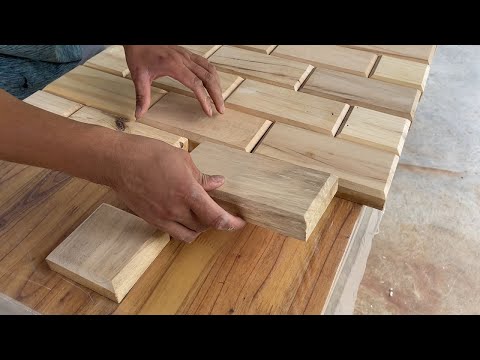
Building your own workbench or a traditional shaving horse is a rite of passage in woodworking. These projects require precise joinery, heavy construction, and an understanding of structural engineering principles.
Advanced Woodworking Projects for Serious Crafters
For those who have honed their skills over years, advanced projects push the boundaries of craftsmanship, precision, and artistic expression.

1. Dining Table with Through-Mortise and Tenon Joinery
A full-size dining table built entirely with hand-cut mortise and tenon joints represents the pinnacle of traditional craftsmanship. Black walnut, white oak, or ash are ideal choices, and the build can take several weeks of meticulous work.
2. Curved Secretary Desk
Combining cabinetmaking, hand-cut dovetails, and complex curved components, a secretary desk is a project that truly showcases a woodworker’s full range of abilities.
3. Wooden Sculpture or Carved Wall Art
For those with a more artistic bent, wood carving and chainsaw carving produce one-of-a-kind wooden sculptures ranging from wildlife figures to abstract wall reliefs that command attention in any space.
4. Built-In Cabinetry and Bookcases
Custom built-ins require advanced measurement, carpentry, and finishing skills. A hand-built library bookcase or kitchen pantry can add significant value to a home while showcasing impeccable craftsmanship.
Best Wood Types for Your Project
Choosing the right wood species is critical to the success of any project. Below is a comparison table to help you match wood types to your intended use.
| Wood Species | Difficulty Level | Best For | Characteristics |
| Pine | Beginner | Shelves, storage boxes, painted projects | Soft, affordable, easy to work, visible grain |
| Poplar | Beginner | Painting projects, utility furniture | Moderate hardness, accepts stain well, stable |
| Walnut | Intermediate | Furniture, cutting boards, decorative pieces | Rich dark color, premium look, moderate workability |
| Maple | Intermediate | Cutting boards, table tops, cabinetry | Hard, durable, tight grain, light color |
| Cherry | Intermediate | Furniture, boxes, picture frames | Beautiful patina over time, warm reddish tone |
| White Oak | Advanced | Tables, benches, outdoor furniture | Extremely durable, prominent grain, moisture-resistant |
| Teak | Advanced | Outdoor furniture, marine applications | Naturally oily, weather-resistant, expensive |
As a general rule, hardwoods like walnut, maple, and cherry produce the most refined finished pieces, while softwoods like pine and cedar are more forgiving for beginners and better suited for structural or painted projects.
Essential Tools You Will Need
You do not need a fully equipped workshop to start making cool things with wood. Here is a practical tool list organized by priority:
- Tape measure and combination square — accuracy starts with measurement
- Hand saw or circular saw — for making straight, clean cuts
- Random orbital sander — saves hours of hand sanding and produces a smooth finish
- Clamps — you can never have too many; they hold pieces together during glue-up
- Wood glue — Titebond II or III for strong, reliable joints
- Drill and driver — essential for assembly and pocket hole joinery
- Chisels and mallet — critical for advanced joinery and detail work
- Finish supplies — polyurethane, Danish oil, tung oil, or wax depending on the project
As you progress, consider adding a table saw, router, and drill press to your setup. These tools dramatically expand what you can build and the precision you can achieve.
Expert Tips for Stunning Results
- Always sand in stages — start at 80-grit, move to 120, then finish at 220 or higher for a glass-like surface.
- Test your finish on scrap wood before applying it to your project. Stains, oils, and polyurethanes can look dramatically different depending on the wood species.
- Invest in sharp blades and bits. Dull saw blades tear the grain instead of cutting cleanly, and the results are visible in the final piece.
- Acclimate your wood to your workshop environment for at least a week before building. Wood that has not adjusted to your local humidity can warp or crack after completion.
- Measure twice, cut once — this old adage remains the single most important rule in woodworking. A small mistake at the cutting stage compounds through assembly.
- Embrace imperfections. Live edges, knots, and natural grain variations are features, not flaws. The best handmade pieces celebrate the character of the wood.
Frequently Asked Questions
What are the easiest cool wooden things to make for absolute beginners?
If you have never picked up a woodworking tool, start with wooden coasters, a simple shelf, or a planter box. These projects require minimal tools, use affordable lumber, and teach essential skills like measuring, cutting, sanding, and finishing. You can find thousands of free plans online tailored specifically for first-time builders.
What kind of wood is best for making furniture at home?
For indoor furniture, hardwoods like walnut, maple, cherry, and oak are the top choices because of their durability, grain beauty, and long-term stability. If you are on a budget, poplar and pine are excellent alternatives that still produce attractive results, especially when painted or lightly stained.
Can I make money selling cool wooden crafts and handmade wood items?
Absolutely. The handmade and artisan market is thriving on platforms like Etsy, local craft fairs, and farmers markets. Popular sellable items include custom cutting boards, live-edge furniture, wooden toys, personalized signs, and coasters. The key is developing a consistent style, maintaining quality craftsmanship, and understanding your target market’s preferences.
What tools do I need to start woodworking without breaking the bank?
A basic starter setup costs far less than most people assume. A quality hand saw or circular saw ($40–$100), a random orbital sander ($50–$80), a set of chisels ($30–$60), a drill/driver ($80–$120), and a handful of clamps ($20–$40) is enough to begin. You can build dozens of impressive projects with just these tools before ever needing to invest in a table saw or router.
How do I prevent my wooden projects from warping or cracking over time?
The two most important factors are proper wood selection and finishing. Always use kiln-dried lumber with a moisture content appropriate for your environment, and apply a high-quality finish that seals all surfaces evenly. Storing finished pieces in stable indoor conditions with consistent humidity levels — ideally between 35% and 55% relative humidity — dramatically extends the lifespan of any wooden creation.
Conclusion
The world of cool things to make with wood is as vast and varied as the material itself. Whether you are building your first wall shelf this weekend or planning a months-long masterpiece dining table, every project teaches you something new about the craft, the material, and your own creative potential. Woodworking is not just a hobby — it is a skill that connects you to centuries of tradition, brings the warmth of natural materials into your home, and produces tangible results that you, your family, and even future generations can enjoy and appreciate. Start with a simple project, gather your tools, find a good plan, and let your hands do the learning. The satisfaction of holding something you built with your own hands from a piece of raw wood is an experience that no store-bought item can ever replicate.