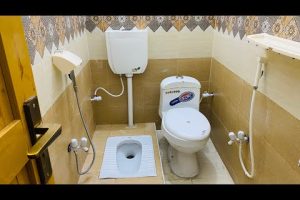

Bathroom and kitchen remodeling represent two of the most impactful home improvement projects a homeowner can undertake. Whether you are looking to increase property value, improve daily functionality, or simply refresh the aesthetic of your living space, these renovation efforts deliver some of the highest returns on investment in the residential market. According to industry reports, kitchen remodels can recover 60% to 80% of their cost at resale, while bathroom renovations consistently rank among the top projects for buyer appeal. But beyond the numbers, the real magic lies in transforming spaces that millions of people interact with every single day. This comprehensive guide walks you through everything you need to know — from initial planning and design concepts to material selection, budgeting strategies, and expert tips that separate a mediocre remodel from an outstanding one.
Why Bathroom and Kitchen Remodeling Should Be Your Top Priority
The kitchen and bathroom are arguably the two most heavily used rooms in any household. They bear the brunt of daily wear and tear, moisture exposure, and evolving lifestyle demands. A well-executed renovation does far more than upgrade surfaces and fixtures; it reimagines how you interact with these spaces on a practical level. Consider how much time you spend preparing meals, cleaning up, getting ready in the morning, or winding down at night. Every square foot matters, and thoughtful remodeling can dramatically improve the efficiency and comfort of those routines.
From a financial perspective, home improvement trends consistently show that kitchen and bathroom upgrades outperform most other renovation categories in terms of return on investment. Buyers scanning property listings gravitate toward homes with updated kitchens and spa-like bathrooms. Even if you have no immediate plans to sell, the enhanced functionality and visual appeal make your daily life significantly more enjoyable.

Planning Your Bathroom and Kitchen Remodel
Setting a Realistic Budget That Accounts for Hidden Costs
One of the biggest mistakes homeowners make is underestimating the total cost of a remodel. The initial quote from a contractor rarely captures the full picture. Hidden costs can include structural repairs discovered behind walls, plumbing or electrical upgrades needed to meet modern codes, permits and inspection fees, and temporary living arrangements if the project renders a room unusable. A smart approach is to allocate a contingency budget of 15% to 20% above your projected total.
Here is a practical budgeting framework to follow:
- Prioritize essentials first: Fix any structural, plumbing, or electrical issues before investing in cosmetic upgrades.
- Allocate funds by impact: Spend more on elements that affect daily use, such as countertops, cabinetry, and flooring.
- Research average costs: Kitchen remodels typically range from $15,000 to $50,000+, while bathroom renovations average between $10,000 and $25,000 depending on scope.
- Get multiple bids: Always request detailed quotes from at least three licensed contractors to ensure competitive pricing.
Choosing the Right Design Style That Fits Your Lifestyle
Design trends come and go, but the best remodeling decisions are rooted in your personal habits and long-term preferences. If you are a passionate home cook, an open-concept kitchen with a kitchen island and premium cooking surfaces will serve you better than a purely aesthetic choice. If your bathroom serves multiple family members during morning hours, prioritize double vanities, ample storage, and efficient layouts that reduce congestion.
Popular design directions for 2024 and beyond include modern transitional (clean lines with warm textures), coastal farmhouse (light woods, white tones, and organic materials), and minimalist spa aesthetics for bathrooms focused on relaxation and serenity.

Kitchen Remodeling: Key Considerations That Make or Break the Project
Layout and Workflow: The Kitchen Triangle Concept
The kitchen work triangle — the relationship between the sink, stove, and refrigerator — remains one of the most important principles in kitchen design. An efficient layout minimizes unnecessary movement during meal preparation. When planning a kitchen remodel, evaluate your current workflow honestly. Do you constantly bump into another person while cooking? Is the refrigerator too far from the prep area? These pain points should directly inform your new layout.
Common kitchen configurations include the L-shaped layout ideal for medium-sized spaces, the U-shaped design that maximizes counter and storage space, and the galley layout suited for narrow rooms where every inch counts.
Appliances, Countertops, and Material Selection
When selecting kitchen appliances, look for energy-efficient models that carry the ENERGY STAR certification. Modern induction cooktops, convection ovens, and smart refrigerators offer significant improvements in performance and utility savings. For countertops, popular choices include quartz for its durability and low maintenance, granite for natural beauty and heat resistance, and butcher block for a warm, inviting feel in rustic or farmhouse designs.
Expert tip: Do not overlook backsplash materials. Subway tile remains a timeless choice, but porcelain slab backsplashes are gaining popularity for their seamless, easy-to-clean surface and contemporary look.
Bathroom Remodeling: Essential Upgrades That Elevate Functionality
Fixtures, Finishes, and Water-Efficient Choices
Bathroom remodeling offers incredible opportunities to blend style with sustainability. Low-flow toilets, water-saving showerheads, and dual-flush mechanisms can reduce water consumption by 20% to 30% without sacrificing performance. When choosing finishes, matte black fixtures have surged in popularity for their sleek, modern appearance and resistance to water spots. Brushed nickel and polished chrome remain versatile options that complement virtually any design scheme.
Consider these fixture upgrades for maximum impact:
- Walk-in showers with frameless glass enclosures create a spa-like feel and improve accessibility.
- Floating vanities free up floor space and make cleaning easier underneath.
- Heated floors add a layer of luxury and comfort, especially in colder climates.
- LED vanity mirrors with built-in demisters and adjustable color temperature provide both function and ambiance.
Storage Solutions and Layout Optimization
Small bathrooms often suffer from clutter because storage is an afterthought. A successful bathroom remodel addresses this by incorporating recessed niches in shower walls, over-toilet cabinets, pull-out drawers under sinks, and towel warmers that double as storage. For larger bathrooms, consider a freestanding tub paired with a separate glass-enclosed shower — this dual setup maximizes both relaxation and daily functionality.
Kitchen vs. Bathroom Remodeling: Cost and Timeline Comparison
Understanding the differences between kitchen and bathroom renovation scope helps you plan timelines, manage expectations, and allocate resources effectively. Below is a comparison of key factors.
| Factor | Kitchen Remodel | Bathroom Remodel |
| Average Cost Range | $15,000 – $50,000+ | $10,000 – $25,000 |
| Typical Timeline | 6 – 12 weeks | 4 – 8 weeks |
| Major Cost Drivers | Cabinetry, appliances, countertops | Tile, fixtures, plumbing |
| ROI at Resale | 60% – 80% | 60% – 70% |
| Permit Complexity | Moderate to high | Moderate |
Expert Tips for a Successful Bathroom and Kitchen Renovation
- Start with a detailed design plan. Before any demolition begins, finalize your layout, material selections, and appliance choices. Changes mid-project are the number one cause of budget overruns.
- Hire licensed and insured professionals. Plumbing and electrical work require permits and expertise. Cutting corners in these areas creates safety hazards and potential legal liabilities.
- Order materials well in advance. Backorders are common, especially for custom cabinetry and specialty tile. Building a buffer of 2 to 3 weeks into your timeline prevents costly delays.
- Invest in lighting design. Layered lighting — combining overhead fixtures, under-cabinet kitchen lights, and vanity sconces in the bathroom — transforms the atmosphere of any room.
- Choose timeless materials over trendy ones. While you can update hardware, paint, and accessories easily, structural choices like countertops, flooring, and cabinetry should stand the test of time.
- Document everything. Keep receipts, permits, contracts, and warranties organized. This protects your investment and simplifies future maintenance or resale documentation.
Frequently Asked Questions
What is the most affordable way to refresh a kitchen without a full remodel?
A partial kitchen refresh focusing on cabinet refacing, updated hardware, a new backsplash, and a fresh coat of paint can transform the look for a fraction of the cost of a full gut renovation, typically running between $3,000 and $8,000.
How do I choose between quartz and granite countertops for my bathroom or kitchen?
Quartz requires less maintenance and offers consistent patterns, making it ideal for busy households. Granite provides unique natural veining and excellent heat resistance but needs periodic sealing. Your choice should depend on your lifestyle, budget, and aesthetic preference.
Is it better to remodel the bathroom or kitchen first if I can only do one?
Kitchen remodeling generally delivers a higher return on investment and appeals to a broader range of future buyers, making it the priority if you plan to sell within the next few years. However, if a deteriorating bathroom affects your daily quality of life, addressing it first is a perfectly valid decision.
What are the biggest mistakes to avoid during a bathroom or kitchen remodel?
The most common pitfalls include underestimating the project timeline, skipping permits, choosing materials solely based on trends, failing to plan adequate storage, and not waterproofing shower areas properly. Each of these mistakes can lead to expensive repairs down the road.
Can I live in my home during a kitchen or bathroom remodel?
Yes, in most cases, but it requires careful planning. Establish a temporary kitchen setup with a microwave, slow cooker, and outside dining options. For bathroom remodels, ensure at least one functional bathroom remains accessible, and communicate clearly with your contractor about work schedules to minimize disruption.
What smart home features are worth adding to a new kitchen or bathroom?
Smart toilets with bidet functionality, voice-controlled lighting systems, leak-detection sensors under sinks, and smart exhaust fans that activate automatically based on humidity levels are all worthwhile investments that enhance convenience and help prevent costly water damage.
Conclusion
Bathroom and kitchen remodeling are transformative investments that enhance both the livability and market value of your home. Success depends on thorough planning, realistic budgeting, smart material choices, and working with trusted professionals who understand your vision. Whether you are undertaking a complete gut renovation or a strategic cosmetic refresh, every decision should be guided by how the space will serve your daily life for years to come. Start with a clear plan, remain flexible when unexpected challenges arise, and remember that the best remodeling projects balance functionality, durability, and personal style in equal measure.