


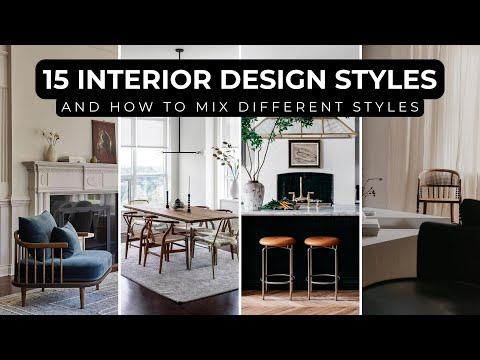
When you walk into a beautifully designed room, something just feels right — the furniture, the colors, the textures, everything works in harmony. But achieving that kind of effortless elegance is rarely accidental. The best interior design styles are deliberate choices rooted in philosophy, history, and a deep understanding of how spaces influence our mood and behavior. Whether you are renovating a starter apartment or redesigning an entire home, knowing which design style resonates with you is the single most important step in creating a space that truly feels like yours. This guide breaks down the most popular interior design styles, compares them side by side, and gives you actionable advice for choosing and implementing the look that fits your life.
Why Understanding Interior Design Styles Matters
Interior design styles are not just aesthetic preferences — they are frameworks that guide every decision you make, from color palettes and furniture silhouettes to lighting choices and accessory placement. Without a clear understanding of a particular style, you risk creating a room that feels disjointed or cluttered with mismled influences. When you commit to a specific design approach, every element in the room earns its place. This coherence is what separates a well-designed space from one that simply looks random. Understanding these styles also helps you communicate clearly with interior designers, furniture retailers, and contractors, saving you time, money, and frustration throughout the renovation process.
Top Interior Design Styles Compared
The world of interior design offers dozens of recognizable styles, each with its own personality, rules, and visual language. Below, we explore the most sought-after styles that dominate the design landscape today.
Modern Interior Design
Modern design refers specifically to the mid-century modern movement of the 1920s through 1950s, rooted in the principle that form follows function. Clean lines, open floor plans, and a deliberate absence of ornamentation define this approach. Neutral color palettes — think whites, grays, and beiges — serve as a backdrop for statement furniture pieces made from natural materials like teak, leather, and molded plywood. Modern design embraces negative space and believes that every object in a room should serve a purpose. This style is ideal for those who appreciate simplicity without sacrificing sophistication.
Contemporary Interior Design
People often confuse contemporary with modern, but they are distinct. Contemporary design is fluid and ever-evolving, reflecting the aesthetics of the present moment. It borrows from modern, minimalist, and even industrial influences. Current contemporary interiors favor soft curves, warm neutrals punctuated with bold accent colors, and a mix of textures like brushed metal, glass, and natural wood. Unlike modern design’s strict rules, contemporary is adaptable and inclusive, making it one of the most versatile choices for homeowners who want a fresh, current look without locking into a rigid aesthetic.
Minimalist Interior Design
Minimalism takes the philosophy of “less is more” to its purest expression. Originating from the broader minimalist art movement, this interior style strips away excess and focuses on the essentials. Every piece of furniture, every decorative object, and every color choice must justify its presence. The palette is typically monochromatic or limited to a few muted tones. Storage solutions are built into architecture to keep surfaces clear. Minimalist spaces feel serene, spacious, and intentional — but they require discipline to maintain because clutter quickly undermines the entire aesthetic.
Scandinavian design has surged in popularity worldwide, and for good reason. Born from the harsh Nordic climate and a cultural emphasis on functionality, this style maximizes natural light through large windows, keeps color schemes light and airy, and layers in cozy textures like wool, sheepskin, and linen. Furniture is simple, functional, and often handmade. Houseplants, warm wood tones, and soft lighting are essential elements. Scandinavian interiors feel welcoming and hygge — that Danish concept of comfort and contentment — without ever feeling sparse or cold.
Industrial Interior Design
Industrial design emerged from the conversion of old factories and warehouses into living spaces, particularly in cities like New York and London. Exposed brick walls, ductwork, and pipes are celebrated rather than hidden. Materials like raw wood, reclaimed metal, and concrete dominate. The color palette is grounded in blacks, grays, and browns with occasional pops of warm amber from Edison-style lighting. Open layouts and high ceilings are hallmarks of this style. Industrial interiors appeal to those who appreciate an edgy, authentic, and unpolished aesthetic that feels grounded in urban history.
Traditional Interior Design
Traditional design draws inspiration from European decorating conventions of the 18th and 19th centuries. Symmetry, rich wood furniture, ornate details, and deep, saturated color palettes — jewel tones like burgundy, navy, and forest green — create a sense of formality and warmth. Upholstered pieces often feature intricate patterns such as toile, damask, or floral prints. Crown molding, wainscoting, and chandelier lighting complete the look. Traditional interiors feel elegant, timeless, and inviting, making them a favorite for homeowners who value heritage and craftsmanship.
Comparison Table: Key Interior Design Styles at a Glance
| Style | Core Philosophy | Key Materials | Color Palette | Best For |
| Modern | Form follows function | Teak, leather, steel | Neutrals, black, white | Those who love clean simplicity |
| Contemporary | Evolving current aesthetic | Glass, metal, mixed textures | Warm neutrals with bold accents | Flexible, trend-aware homeowners |
| Minimalist | Less is more | Concrete, smooth wood, linen | White, gray, beige | Clutter-averse, mindful individuals |
| Scandinavian | Hygge and functionality | Light wood, wool, natural textiles | White, pale wood, soft pastels | Small spaces and cold climates |
| Industrial | Raw authenticity | Exposed brick, metal, concrete | Black, gray, brown, amber | Urban lofts and edgy aesthetics |
| Traditional | Classic elegance and symmetry | Ornate wood, velvet, silk | Jewel tones, rich darks | Formal, heritage-inspired homes |
How to Choose the Right Interior Design Style for Your Home
Selecting the best interior design style for your space starts with honest self-reflection. Ask yourself what feelings you want your home to evoke. Do you crave calm and order? Minimalism or Scandinavian design might be your answer. Do you want warmth and character? Traditional or Scandinavian styles deliver that beautifully. Are you drawn to bold, urban energy? Industrial or contemporary design will channel that energy perfectly.
Next, consider your existing architecture. A loft-style apartment with exposed beams naturally lends itself to industrial or modern aesthetics. A classic colonial home with crown molding is a natural fit for traditional design. Forcing a style onto a space that does not complement its structural DNA will always feel like a struggle rather than a harmonious match.
Also think practically about your lifestyle. If you have young children and pets, ultra-minimal spaces can feel impossible to maintain. Scandinavian design offers the clean aesthetic of minimalism but with built-in coziness and durability that accommodates real life. Similarly, if you love hosting gatherings, open contemporary layouts will serve you far better than a formal traditional parlor setup.
Start by collecting inspiration images — create a Pinterest board or a physical mood board — and look for patterns. Which images do you return to again and again? The recurring themes in your inspiration collection will reveal your natural design affinity far more accurately than any generic quiz or quiz result ever could.
Expert Tips for Implementing Your Chosen Interior Design Style
Once you have identified your preferred style, the implementation phase begins. These expert strategies will help you execute it effectively.
- Start with a foundation of three elements. Pick your dominant style and then anchor the room with three core elements — typically a sofa or primary furniture piece, a dominant color for your walls or largest textile, and a key material like wood, metal, or stone.
- Follow the 60-30-10 rule. Allocate 60 percent of your room’s color and visual weight to your dominant style, 30 percent to a secondary element, and 10 percent to an accent. This ratio creates balance without monotony.
- Invest in lighting. Lighting is the most underrated design element. Layered lighting — ambient, task, and accent — transforms how a style reads in a room. Scandinavian interiors glow with warm pendant lights, while industrial spaces command attention with exposed Edison bulbs and track lighting.
- Edit ruthlessly. One of the biggest mistakes beginners make is under-accessorizing initially and then overcompensating later. Start with fewer items and add only what serves the style’s intent.
- Mix thoughtfully if combining styles. Blending two complementary styles — such as Scandinavian with modern or industrial with contemporary — can produce stunning results, but establish one as the dominant influence and treat the other as a supporting accent.
Frequently Asked Questions
What is the easiest interior design style for beginners to implement?
Scandinavian and modern interior design are widely considered the most beginner-friendly styles. Both rely on clean lines, neutral color palettes, and functional furniture that is widely available and affordable. You do not need custom pieces or rare finds to achieve these looks. Start with a neutral base, add simple furniture, incorporate natural textures like a wool throw or a wooden tray, and let the space breathe.
Can I mix two different interior design styles together?
Absolutely. Interior designers call this approach eclectic or transitional design. The key is to establish a unifying element — such as a consistent color palette, a shared material like wood, or a recurring geometric shape — that ties the different styles together. Without a connecting thread, mixing styles creates visual chaos rather than curated eclecticism.
How do I know if my home suits a particular interior design style?
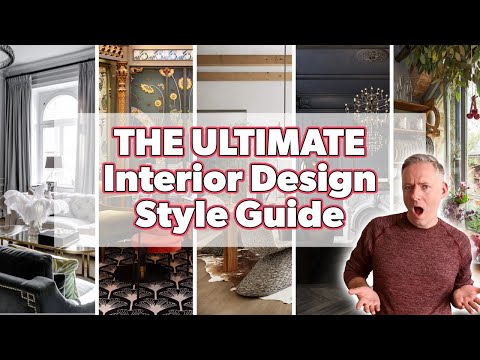
Your home’s architecture, natural light levels, ceiling height, and existing architectural features all influence which styles will work best. Open-concept homes with high ceilings suit industrial and contemporary styles. Cozier, smaller spaces with abundant natural light thrive with Scandinavian or minimalist approaches. Traditional design suits homes with detailed architectural trim work like crown molding and wainscoting.
What are the most common mistakes people make when adopting a new interior design style?
The most frequent mistake is buying all furniture at once without testing how pieces work together in the actual space. Another common error is neglecting lighting, which can completely undermine a style’s intended atmosphere. People also tend to over-accessorize too early, filling surfaces with decorative items before the foundational elements — furniture, walls, flooring — have been properly established. Patience and gradual layering are essential.
How much does it cost to commit to a specific interior design style?
The cost varies enormously depending on the style. Minimalist and Scandinavian designs can be achieved on a modest budget because they emphasize simplicity and often use affordable natural materials. Industrial design can be budget-friendly if you source reclaimed or vintage pieces. Traditional design tends to be the most expensive because it requires ornate, high-quality furniture with fine craftsmanship. However, every style can be adapted to suit different budget levels with smart sourcing and prioritization.
Final Thoughts
The best interior design style is ultimately the one that makes you feel at home. Trends will come and go, but the styles that resonate with your personality, lifestyle, and values will stand the test of time. Use this guide as a roadmap to explore different approaches, understand their principles, and confidently create spaces that reflect who you are. Start with one room, experiment with key elements from a chosen style, and let your taste evolve naturally over time. The most beautiful interiors are not the most expensive ones — they are the ones where every detail feels intentional, personal, and authentically you.