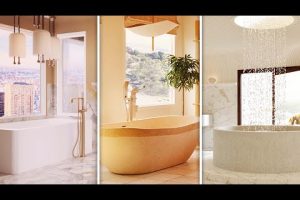
When it comes to transforming your bathroom into a space that feels both refreshing and personally expressive, bathroom colour design ideas are where the real magic begins. Too many homeowners settle for basic white or sterile beige, leaving a room that serves its function but lacks soul. The truth is, the colours you choose for your bathroom influence everything from perceived square footage to your morning mood. Whether you are refreshing a compact powder room or redesigning a luxurious master ensuite, the right palette can completely redefine the atmosphere. In this guide, we explore the most effective bathroom colour strategies, trending combinations, and practical expert tips that go far beyond simply picking a paint swatch.

Why Bathroom Colour Choices Matter More Than You Think
Colour is not just decorative — it is psychological. In a room where you start and end every day, the hues surrounding you directly impact relaxation, energy, and even how clean the space feels. Lighter bathroom wall colours bounce natural light around, making small spaces appear more open and airy. Deeper tones create intimacy and drama, turning a large bathroom into a spa-like retreat. Understanding this relationship between colour and spatial perception is the foundation of any successful bathroom colour scheme.
Beyond mood and space, your colour choices also affect maintenance and longevity. Lighter bathroom paint colours can show water spots and soap scum more easily, while darker shades may reveal dust and grout stains. Choosing the right finish — matte, satin, or semi-gloss — paired with your selected hue is equally important for long-term durability in a high-moisture environment.
Trending Bathroom Colour Design Ideas for Every Style
Current bathroom design trends lean heavily toward sophisticated, nature-inspired palettes that feel calm and grounded. Below are some of the most compelling bathroom paint ideas gaining popularity among interior designers in 2024 and beyond.
Sage Green and Earthy Neutrals
Sage green has dominated bathroom renovation conversations, and for good reason. Paired with warm beige or soft cream trims, this botanical palette creates a serene, almost forest-like atmosphere. It works beautifully in farmhouse-style and modern-rustic bathrooms, connecting indoor spaces with natural outdoor elements.
Dark navy bathroom walls paired with white fixtures and brass hardware create a striking contrast that feels both timeless and contemporary. If a full dark accent wall feels too bold, consider using navy as a lower-half colour combined with a lighter shade above, a technique known as a two-tone bathroom wall design.
Warm Terracotta and Clay Tones
Inspired by Mediterranean and Moroccan design, terracotta shades bring warmth and organic texture to bathroom spaces. These earthy bathroom colour ideas pair exceptionally well with white tile, wooden vanities, and matte black fixtures for a rich, layered aesthetic.

Soft Moody Black and Charcoal
For those who want a moody, gallery-like bathroom, charcoal and black tones are increasingly popular. The key is balancing dark walls with plenty of warm lighting, metallic accents, and lighter flooring to prevent the space from feeling oppressive.
Pale Lavender and Soft Pastels
Pastel bathroom colour palettes continue to thrive, especially lavender, dusty pink, and baby blue. These soft bathroom wall colours create a dreamy, boutique-hotel feel and work particularly well in period homes or Victorian-inspired renovations.
How Bathroom Size Should Guide Your Colour Decisions
Size is one of the most critical factors when selecting bathroom paint colours. A poorly matched palette can make a generous room feel cavernous or a tiny space feel even smaller. Here is how to align your colour strategy with your bathroom dimensions:
| Bathroom Size | Recommended Colour Strategy | Best Hues |
| Small (under 5 sqm) | Use light, cool tones to maximise perceived space | Soft whites, pale grey, mint green, sky blue |
| Medium (5–10 sqm) | Experiment with accent walls and two-tone designs | Warm taupe, sage green, soft teal |
| Large (10+ sqm) | Embrace bold and deep colours without fear | Navy, charcoal, forest green, terracotta |
For small bathrooms, avoid stark white as it can feel cold and clinical. Instead, opt for warm off-whites or very pale pastels that add warmth while keeping the space light. In larger bathrooms, you can confidently use darker colours on all four walls or create a feature wall using textured tile or stone in your chosen tone.
Beginner-Friendly Approach: Start with the 60-30-10 Rule
If you are new to bathroom colour planning, the 60-30-10 rule is your best friend. This classic interior design principle suggests:
- 60% dominant colour — typically your wall colour or largest surface area
- 30% secondary colour — found in fixtures, tile, or cabinetry
- 10% accent colour — introduced through towels, artwork, or accessories
This framework ensures visual harmony without overwhelming your senses and takes the guesswork out of combining multiple bathroom colour ideas.

Expert Pairing Strategies That Elevate Any Bathroom
Knowing individual colours is only half the battle. Combining them effectively is where truly stunning bathrooms come to life. Here are some pairing strategies that interior designers rely on consistently.
Complementary Colour Schemes
Complementary colours sit opposite each other on the colour wheel. For bathrooms, a popular combination is blue and orange or green and coral. These pairings create visual energy while remaining balanced. A soft teal bathroom with warm peach accents is a prime example of this approach done subtly and elegantly.
Monochromatic Elegance
Using varying shades of a single colour creates a sophisticated, cohesive look. A bathroom designed entirely in shades of grey — from pale silver walls to charcoal floor tiles and slate-grey accessories — feels polished and intentional without being monotonous.
Contrast with Warm and Cool Tones
Mixing warm and cool tones adds depth and complexity. A bathroom with cool grey walls, warm wooden shelving, and copper fixtures demonstrates how contrasting temperature palettes create a layered, designer feel.
Practical Recommendations for Painting and Applying Bathroom Colours
Even the best bathroom colour ideas fall flat if the execution is poor. Moisture, humidity, and constant water exposure demand specific preparation and product choices.
- Always prime surfaces before painting. A quality moisture-resistant primer prevents peeling and ensures even colour absorption on bathroom walls.
- Choose mould-resistant paint. Look for formulations labelled mould and mildew resistant — especially important for bathrooms without adequate ventilation.
- Select the right finish. Semi-gloss or satin finishes are ideal for bathroom walls because they are easier to wipe clean and resist moisture better than flat or matte finishes.
- Test colours in your actual space. Paint a small swatch on your bathroom wall and observe it under both natural and artificial lighting at different times of day before committing.
- Consider tile and fixture colours first. Your existing bathroom tiles, vanity, and hardware should inform your wall colour choices, not the other way around.
Common Mistakes to Avoid in Bathroom Colour Design
- Ignoring undertones. A cream wall with pink undertones will clash with blue-toned grey tiles. Always check undertones before committing to a colour.
- Overlooking ceiling colour. A crisp white ceiling can feel sterile; consider a slightly lighter shade of your wall colour for a softer transition.
- Following trends blindly. While trendy bathroom colour ideas can inspire, ensure the palette resonates with your personal taste and long-term preferences.
- Skipping the floor. Your bathroom floor is a large visual element that anchors the entire room. Its colour should complement, not compete with, your wall choices.
FAQ: Long-Tail Bathroom Colour Design Questions
What are the best bathroom colour ideas for small spaces?
For small bathrooms, the best colour ideas include soft greys, pale mint greens, warm off-whites, and light sky blues. These bathroom wall colours reflect light effectively and create an illusion of more space. Avoid dark or saturated shades on all walls in compact bathrooms, as they can make the room feel cramped and claustrophobic.
Which bathroom colour schemes work best with white tile?
White tile is one of the most versatile surfaces in bathroom design. It pairs beautifully with charcoal or navy accents for a bold contrast, warm beige and wood tones for a cosy feel, or sage green and soft grey for a calming, contemporary look. The key is using your tile as a neutral canvas and letting your wall colour and fixtures establish the room’s personality.
How do I choose the right bathroom paint colour for north-facing rooms?
North-facing bathrooms receive cooler, less direct light, which can make warm colours feel muted and cool colours feel even colder. For these spaces, choose bathroom paint colours with warm undertones — think soft peach, warm grey, or creamy beige — to counteract the lack of sunlight and keep the room feeling inviting.
Can I use dark colours in a bathroom without it feeling too heavy?
Absolutely. The secret to using dark bathroom colour ideas without creating a heavy atmosphere is balance. Pair dark walls with ample warm lighting, reflective surfaces like glass or glossy tile, and lighter flooring. You can also limit dark tones to a single accent wall while keeping the remaining surfaces lighter, maintaining depth without overwhelming the space.
What bathroom wall colour combinations are trending in 2024?
Some of the top-trending bathroom colour combinations in 2024 include sage green with warm white, navy and brass accents, terracotta with natural textures, and two-tone grey with a darker lower half. These palettes reflect a growing desire for bathrooms that feel like personal retreats — calming, textured, and deeply intentional.
Final Thoughts: Making Your Bathroom Colour Vision a Reality
Bathroom colour design ideas are far more than a decorative afterthought — they are a fundamental part of creating a space where you genuinely enjoy spending time. Whether you gravitate toward the calming softness of sage green, the bold confidence of deep navy, or the warmth of earthy terracotta, the most important factor is choosing a palette that reflects your personal style while respecting the practical realities of your space. Start with your bathroom size and lighting, build your palette using tested pairing strategies, select moisture-resistant products, and never underestimate the power of a well-thought-out accent colour to tie everything together. Your bathroom should be a place that energises you in the morning and soothes you at night, and the right colour choices are the simplest, most cost-effective way to make that vision a reality.