


Transforming your outdoor space into a thriving back yard garden is one of the most rewarding investments you can make for your home, your health, and your well-being. Whether you dream of a lush vegetable patch, a vibrant flower border, or a peaceful retreat filled with native plants, the journey from bare grass to a flourishing garden starts with a clear plan. This guide walks you through every stage of the process—from initial layout design and soil preparation to seasonal maintenance and advanced landscaping strategies—so you can build a garden that thrives year after year.
Understanding the Back Yard Garden Concept
A back yard garden is far more than a collection of plants arranged behind your home. It is a carefully curated ecosystem that combines horticultural science, artistic design, and personal lifestyle preferences. Unlike front yard landscaping, which often follows neighborhood aesthetic norms, your back yard garden gives you complete creative freedom. You can experiment with edible landscaping, pollinator habitats, water features, or even a combination of all three.
The key to a successful outdoor garden lies in understanding your unique conditions. Every yard has its own microclimate—a blend of sunlight exposure, wind patterns, soil composition, and drainage behavior that differs from neighboring properties. Mastering these variables is what separates a struggling garden from one that flourishes effortlessly.
Planning Your Back Yard Garden Layout
Assessing Your Space and Sunlight
Before you break ground, spend a few days observing how sunlight moves across your yard. Most flowering plants and vegetables need at least six hours of direct sunlight, but shade-loving varieties like hostas and ferns thrive in low-light corners. Use a simple sun map by sketching your yard and noting shadow patterns every two hours from morning to evening.
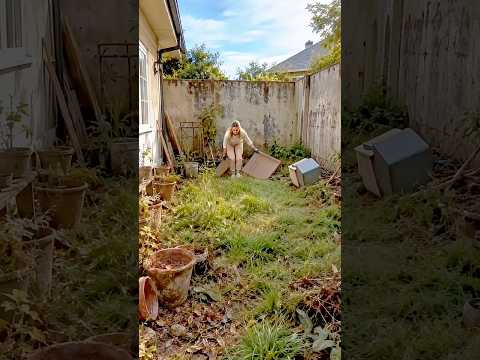
Pay attention to drainage as well. Areas where water pools after rain need different plant choices or soil amendments compared to well-draining slopes. Consider installing a French drain or building raised beds in persistently wet zones.
Choosing the Right Plants for Your Climate
Selecting plants suited to your USDA hardiness zone—or your equivalent regional climate classification—is non-negotiable for long-term success. Native plants are especially valuable because they are adapted to local rainfall patterns, soil types, and pest pressures. They also support local pollinators like bees, butterflies, and hummingbirds far more effectively than exotic species.
When building your plant palette, think in layers. Canopy trees, understory shrubs, perennials, ground covers, and annuals each play a role in creating depth, texture, and visual interest throughout the growing season.
Essential Tools and Supplies for a Thriving Back Yard Garden
You do not need an expensive equipment shed to start a productive garden, but having the right basics makes a significant difference. Here is what every gardener should have on hand:
- A sturdy spade and garden fork for turning and aerating soil
- A quality garden hose with an adjustable nozzle or drip irrigation system
- A soil test kit or professional lab analysis to determine pH and nutrient levels
- Organic compost, aged manure, or worm castings for soil enrichment
- Mulch such as hardwood bark, straw, or shredded leaves to retain moisture
- Hand pruners, a soil pH meter, and gardening gloves for daily tasks
Investing in a drip irrigation setup early on will save you countless hours of hand watering and dramatically improve plant health by delivering water directly to root zones instead of saturating foliage.
Back Yard Garden Design Ideas for Every Skill Level
Beginner-Friendly Garden Plans
If you are new to gardening, start with a simple layout that focuses on high-success-rate plants. A raised bed filled with quality garden soil and planted with easy-to-grow vegetables like tomatoes, zucchini, lettuce, and herbs like basil and rosemary is an excellent starting point. Container gardening is another low-commitment option that lets you experiment with different spots around your yard before committing to permanent beds.
Keep your first-year goals modest. A single well-maintained raised bed or a small flower border teaches you more than a sprawling, overambitious plan that becomes overwhelming mid-season.
Intermediate and Advanced Design Strategies
Once you have gained confidence, you can explore more sophisticated design concepts. Companion planting—pairing plants that benefit each other, such as basil alongside tomatoes or marigolds surrounding vegetable rows—boosts yields and naturally deters pests. Incorporate vertical gardening with trellises, obelisks, or wall-mounted planters to maximize growing space in smaller yards.
Advanced gardeners often integrate permaculture principles, creating self-sustaining garden systems that mimic natural ecosystems. Guild planting around fruit trees, rainwater harvesting systems, and perennial food forests are all ways to elevate your outdoor garden from a seasonal project to a permanent landscape feature.
Seasonal Maintenance and Care Tips
A beautiful garden does not maintain itself, but consistent, small efforts yield exponential results. Follow this seasonal framework to keep your back yard garden in peak condition:
- Spring: Amend soil with compost, start seeds indoors or direct sow cold-hardy crops, divide overcrowded perennials, and sharpen mower blades before the first mowing.
- Summer: Maintain consistent watering schedules, apply mulch to suppress weeds and retain moisture, monitor for pests and diseases, and harvest vegetables frequently to encourage continued production.
- Fall: Plant spring-blooming bulbs, collect and compost fallen leaves, plant cover crops to protect and enrich bare soil, and clean garden tools before storage.
- Winter: Plan next year’s layout, order seed catalogs, review soil test results, and perform any necessary structural repairs to raised beds, pathways, or fencing.
Common Mistakes to Avoid
Even experienced gardeners fall into familiar traps. Overcrowding plants reduces airflow and invites fungal diseases. Ignoring soil health by skipping compost or pH adjustments leads to disappointing harvests. Planting without a watering plan is another common pitfall—especially during heat waves. And perhaps the most costly mistake is choosing plants that are not suited to your specific light and climate conditions. Work with your yard’s natural strengths rather than fighting against them, and your garden will reward you generously.
Raised Beds vs. In-Ground Gardens
| Feature | Raised Beds | In-Ground Gardens |
| Initial Cost | Higher (materials and soil) | Lower (uses existing soil) |
| Drainage Control | Excellent | Variable |
| Soil Quality | Fully customizable | Depends on native soil |
| Weed Pressure | Lower | Higher |
| Accessibility | Ergonomic, less bending | Requires ground-level work |
| Scalability | Limited by bed size | Highly scalable |
| Best For | Poor native soil, small spaces | Large areas, established yards |
Frequently Asked Questions

What is the best time of year to start a back yard garden? The ideal start date depends on your climate zone, but for most temperate regions, early spring—two to four weeks after the last expected frost date—is the optimal window for planting both cool-season and warm-season crops. Starting seeds indoors six to eight weeks before transplanting gives you a significant head start.
How do I make my small back yard garden look bigger and more professional? Use diagonal pathways to create visual depth, repeat plant groupings in clusters of three or five for a naturalistic feel, and incorporate varying heights with tall specimen plants, mid-level shrubs, and low ground covers. Mirrors, reflective surfaces, and a cohesive color palette also help expand the perceived space of a compact outdoor garden.
What are the easiest vegetables to grow in a beginner back yard garden? Radishes, lettuce, zucchini, cherry tomatoes, green beans, and herbs like chives and mint are among the most forgiving and productive choices. These crops tolerate minor care mistakes, produce abundant harvests, and build beginner confidence quickly.
How often should I water my back yard garden during summer? Most gardens need about one inch of water per week, delivered deeply two to three times rather than shallow daily sprinkles. Deep watering encourages roots to grow downward, creating drought-resilient plants. A soil moisture meter removes guesswork and helps you water only when the top two inches of soil feel dry.
Can I create a pollinator-friendly back yard garden without sacrificing vegetable yields? Absolutely. Interplanting pollinator attractors like lavender, echinacea, bee balm, and borage between vegetable rows actually improves your harvest by increasing pollination rates. Flowering herbs like thyme, oregano, and rosemary serve double duty as culinary ingredients and bee magnets.
Do I need professional landscaping help to design a back yard garden? While a landscape designer can provide valuable expertise, especially for hardscaping and irrigation planning, many homeowners successfully design and build their own gardens using free online tools, graph paper, and guidance from local extension services. Start with a simple plan, observe how your garden evolves, and refine your design each season based on what thrives and what needs adjustment.
Final Thoughts on Building a Beautiful Back Yard Garden
A well-designed back yard garden is more than an outdoor amenity—it becomes the living heart of your home. From the first seedling pushing through fresh soil to the quiet satisfaction of harvesting food you grew with your own hands, the rewards of backyard gardening extend far beyond aesthetics. Start with a clear vision, commit to learning as you grow, and remember that every expert gardener once began as a curious beginner. Your ideal garden is not built in a single weekend; it develops over seasons of patience, observation, and joyful experimentation. Start today, keep learning, and let your back yard become the outdoor sanctuary you have always envisioned.