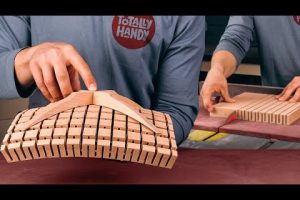
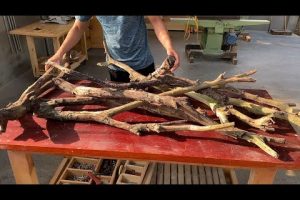
There is something deeply satisfying about transforming a raw piece of lumber into a functional, beautiful object with your own two hands. Whether you are a complete novice picking up a saw for the first time or a seasoned craftsman looking for fresh inspiration, DIY wooden projects offer an incredible blend of creativity, practicality, and hands-on craftsmanship. The woodworking community has exploded in recent years, with millions of enthusiasts sharing ideas, plans, and finished builds online. From simple shelf brackets to elaborate farmhouse dining tables, the range of possibilities is virtually endless. This guide dives deep into the world of do-it-yourself wooden creations, covering everything from your very first project to advanced builds that will earn genuine admiration from fellow woodworkers.
Why DIY Wooden Projects Are More Popular Than Ever
People are rediscovering the joy of making things with their hands. The rise of social media platforms like Pinterest, Instagram, and YouTube has exposed millions of viewers to stunning woodworking builds, sparking a renewed interest in hands-on craftsmanship. Unlike purchasing mass-produced furniture, DIY wooden projects allow you to customize every dimension, grain pattern, and finish to match your exact vision and space. Beyond aesthetics, there are tangible benefits that keep people coming back to the workshop again and again.
- Cost Savings: Building your own furniture and home décor often costs a fraction of buying retail equivalents, especially when you use reclaimed or budget-friendly lumber.
- Customization: Every build can be tailored to your specific measurements, style preferences, and functional needs.
- Skill Development: Each project teaches new techniques, from basic crosscutting to advanced joinery methods like dovetails and mortise-and-tenon joints.
- Therapeutic Benefits: Woodworking provides a meditative escape from screen-heavy lifestyles, reducing stress and boosting mental well-being.
- Sustainability: Using sustainably sourced or salvaged wood reduces your environmental footprint while creating lasting, durable goods.
Best DIY Wooden Projects for Beginners
If you are new to woodworking, starting with manageable projects is essential for building confidence and developing foundational skills. Complex builds can be discouraging when you are still learning how to measure accurately, cut cleanly, and sand surfaces properly. The following beginner-friendly ideas require minimal tools and deliver impressive results.
Simple Wooden Coasters and Trivets
Coasters are the perfect first project because they require only small offcuts of wood, basic sanding, and a food-safe finish. You can arrange strips of contrasting wood species like oak and walnut to create eye-catching geometric patterns. These small builds teach essential skills like gluing panels flat, using clamps evenly, and applying finish without drips or bubbles.
Floating Shelves
Floating shelves are both functional and visually striking. They require just a single board, some wall brackets or hidden cleats, and a basic understanding of level installation. These are among the most popular DIY wooden projects because they serve an immediate practical purpose while looking professionally made. Start with a simple 1×12 pine board, round over the edges with a router or sandpaper, and finish with Danish oil or polycrylic for a clean, modern look.
Wooden Plant Stand
A tiered plant stand made from dimensional lumber introduces beginners to the concept of assembly using screws and basic joinery. It is a forgiving project because slight imperfections add rustic character. You can build one in an afternoon with a hand saw, drill, and a few basic fasteners.
Intermediate DIY Wooden Projects That Challenge Your Skills
Once you have mastered basic cutting, sanding, and finishing techniques, intermediate projects push you toward more precise joinery, careful grain selection, and refined presentation. These builds require more planning and patience but deliver results that rival store-bought furniture.
- Live-Edge Coffee Table: Incorporating a natural slab edge into a tabletop adds organic beauty. You will need to learn about epoxy river fills, leveling uneven surfaces, and attaching hairpin legs.
- Bench Dog Workbench: Building your own workbench is a rite of passage in woodworking. A sturdy, heavy-duty bench with integrated bench dogs and a vise transforms your entire workshop experience.
- Jewelry Box with Dovetail Joints: Hand-cutting dovetails is a skill that separates hobbyists from serious craftspeople. A small jewelry box is the ideal size to practice this classic joint without consuming too much material or time.
- Outdoor Adirondack Chair: Working with weather-resistant wood like cedar or teak teaches you about outdoor finishes, compound angle cuts, and ergonomic design principles.

At the intermediate level, investing in a few quality power tools makes a significant difference. A table saw, a random orbital sander, and a pocket hole jig can dramatically improve both efficiency and precision in your builds.
Advanced DIY Wooden Projects for Experienced Builders
Advanced woodworking projects demand mastery of multiple techniques, access to specialized equipment, and a deep understanding of wood behavior, grain direction, and seasonal movement. These builds are not just functional objects — they are expressions of artistry and engineering.
Hand-Cut Dovetail Chest
A handcrafted chest featuring through-dovetails on every joint is the ultimate test of a woodworker’s precision. Each pin and tail must fit seamlessly without gaps, and the final assembly should feel rock-solid without a single fastener. This project can take weeks to complete but results in a heirloom-quality piece that lasts generations.
Modern Mid-Century Sideboard
Building a sideboard with tapered legs, dado joints, and a smooth laminate top requires advanced planning and execution. Attention to grain matching across multiple panels, precise dado cuts for the shelves, and flawless finishing techniques separate an amateur build from a professional-quality piece.
Live-Edge River Dining Table

This is perhaps the most Instagram-worthy among DIY wooden projects today. It involves sourcing a live-edge slab, stabilizing it with butterfly keys or bow ties, pouring an epoxy resin river, and mounting it on a steel or wooden base. The technical challenges include managing resin exothermic heat, preventing bubbles, and ensuring the table remains level and stable over time.
Essential Tools and Materials for Woodworking Success
You do not need a fully equipped garage to start building quality DIY wooden projects, but having the right tools makes every project more enjoyable and safer. Here is a breakdown of what you need at each stage.
| Category | Essential Items | Recommended Budget |
| Measuring & Marking | Tape measure, combination square, marking gauge, carpenter pencil | $30–$60 |
| Cutting | Hand saw, circular saw, or table saw | $80–$400 |
| Drilling & Fastening | Drill/driver, assorted bits, clamps, screws | $50–$150 |
| Sanding & Finishing | Random orbital sander, sandpaper (80–220 grit), brushes, finish | $40–$100 |
| Safety Gear | Safety glasses, ear protection, dust mask, first aid kit | $30–$50 |
When selecting wood, start with affordable softwoods like pine and poplar for practice. As your confidence grows, transition to hardwoods such as oak, maple, walnut, and cherry. Always check for warp, cracks, and insect damage before purchasing boards. Kiln-dried lumber from a reputable dealer will save you countless headaches down the road.
Comparison: Beginner, Intermediate, and Advanced Projects
| Factor | Beginner | Intermediate | Advanced |
| Typical Build Time | Few hours to one day | One to three days | One to six weeks |
| Tool Requirements | Hand tools, basic power tools | Power tools, pocket hole jig | Specialized equipment, hand tools |
| Joinery Complexity | Screws, butt joints | Dados, rabbets, simple dovetails | Hand-cut dovetails, mortise-and-tenon |
| Skill Level | Novice | Intermediate | Expert |
| Cost per Project | $20–$75 | $75–$250 | $200–$1,000+ |
| Best For | Learning fundamentals | Building confidence and skill | Showcase and mastery |
Expert Tips to Elevate Your Woodworking Game
Even experienced builders continue learning new techniques and refining their process. Here are some expert-recommended practices that separate good builds from exceptional ones.
- Measure Twice, Cut Once — Then Measure Again: This old adage exists for a reason. Always double-check your measurements before making any cut, especially with expensive hardwoods.
- Invest in Sharp Blades and Bits: Dull saw blades tear the grain instead of cutting it cleanly, leading to rough surfaces and more sanding time. Sharpen or replace blades regularly.
- Sand in Progressive Grits: Start at 80 grit for rough shaping, move to 120 for smoothing, and finish with 220 before applying any finish. Skipping grits leaves visible scratch patterns under stain or polyurethanethat become glaringly obvious.
- Test Finishes on Scrap Wood: Always apply your chosen finish to a scrap piece of the same wood species before committing to the final piece. Different woods absorb stain and finish differently, and testing prevents disappointing results.
- Embrace Wood Movement: Wood expands and contracts with humidity changes. Design your projects with this in mind by using slotted screw holes, floating panels, and appropriate joinery that allows for seasonal movement without cracking or warping.
- Keep a Build Journal: Document every project with photos, measurements, and notes on what worked and what did not. This personal reference becomes invaluable for future builds and troubleshooting.
Frequently Asked Questions About DIY Wooden Projects
What are the easiest DIY wooden projects to start with?
The easiest projects include wooden coasters, simple shelves, birdhouses, and picture frames. These require minimal tools, affordable lumber, and basic skills like measuring, cutting, and sanding. Starting small builds your confidence before tackling larger, more complex builds like furniture pieces.
What type of wood is best for beginner DIY wooden projects?
Pine, poplar, and basswood are excellent choices for beginners. They are affordable, widely available at home improvement stores, easy to cut and sand, and forgiving of minor mistakes. As you gain experience, you can move to oak, maple, and walnut for more refined projects.
How much does it cost to start DIY woodworking?
A basic starter setup can cost between $150 and $400, covering essential hand tools, a power drill, safety gear, and a few starter lumber boards. You can begin with projects costing as little as $15–$30 in materials, making woodworking one of the most accessible creative hobbies available.
Can I build DIY wooden projects without a workshop or garage?
Absolutely. Many successful woodworkers work in apartment balconies, spare bedrooms, or even garages that double as parking spaces. A workbench, good lighting, and basic dust collection are more important than having a dedicated workshop. Portable tool kits and foldable workstations make small-space woodworking entirely feasible.
How do I prevent my wooden projects from warping over time?
Use properly kiln-dried lumber, seal all surfaces evenly with a quality finish, and allow wood to acclimate to your indoor environment for at least 48 hours before building. Designing joints that accommodate wood movement, such as slotted screw holes and floating panels, is critical for long-term stability.
Where can I find free plans for DIY wooden projects?
Websites like Ana White, The Wood Whisperer, and DIY Network offer extensive free project plans with detailed measurements and step-by-step instructions. YouTube channels dedicated to woodworking also provide visual build-along tutorials that are incredibly helpful for visual learners just starting out.
Conclusion
DIY wooden projects represent far more than a hobby — they are a pathway to creativity, self-reliance, and genuine satisfaction that comes from creating something tangible with your hands. Whether you are building your first simple shelf or crafting a hand-cut dovetail chest, every project strengthens your skills and deepens your appreciation for the material. Start small, embrace mistakes as learning opportunities, and remember that every master woodworker was once a beginner holding a brand-new saw for the first time. The workshop is waiting, and the only thing standing between you and your next beautiful creation is the decision to begin.