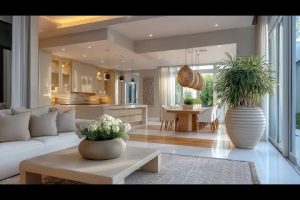
Your home tells a story — every choice in color, texture, and arrangement speaks volumes about who you are and how you want to live. Whether you’re staring at a blank canvas of empty walls or simply refreshing a space that feels “off,” finding the right home decor design ideas doesn’t have to be overwhelming. The truth is, transformative interior design inspiration isn’t reserved for those with massive budgets or professional help. With a clear understanding of foundational principles, a keen eye for balance, and a willingness to experiment, anyone can craft rooms that feel intentional, welcoming, and deeply personal. This guide walks you through beginner basics, intermediate techniques, and advanced styling strategies that will elevate every corner of your home.
How to Create Home Decor Design Ideas That Actually Work
Understanding Your Home’s Style Foundation
Before purchasing a single decorative pillow or rearranging your furniture, you need to understand what your space is naturally trying to become. Every room has architectural cues — ceiling height, window placement, natural light, and existing fixed elements — that subtly guide your design direction. Ignoring these fundamentals often leads to a disjointed look, even with expensive pieces.
Start by observing your home honestly. Does your living room get flooded with afternoon sunlight? That’s a prime spot for a reading nook with layered textiles. Are your hallways narrow and dim? Vertical lines and reflective surfaces will create the illusion of space. Recognizing these built-in advantages is the first step toward generating genuinely effective home decor design ideas.
Here are foundational style categories to help you identify what resonates:

- Modern Minimalist: Clean lines, neutral palettes, and intentional negative space.
- Bohemian: Rich layering, global textiles, and eclectic collected objects.
- Traditional: Classic furniture silhouettes, warm tones, and symmetrical arrangements.
- Scandinavian: Functional simplicity, light woods, and hygge-inspired comfort.
- Industrial: Exposed materials, metallic accents, and raw textures.
You don’t need to lock yourself into one category. The most compelling interiors often blend two or three aesthetics thoughtfully — what designers call an “eclectic modern” or “warm minimal” approach.
Beginner-Friendly Decor Strategies That Deliver Real Results
If you’re just starting out, resist the urge to overhaul everything at once. The most impactful beginner home styling tips revolve around three simple actions: decluttering, adjusting lighting, and introducing greenery. These elements cost relatively little but shift the entire energy of a room.
Decluttering isn’t just tidying up — it’s a design act. When you remove visual noise, your existing furniture and art suddenly have room to breathe and command attention. Lighting replaces harsh overhead glare with layered sources like table lamps, floor lamps, and warm-toned string lights, instantly making a space feel designed rather than lived-in. Plants bring organic movement and color into otherwise static environments.
For those searching for affordable home decor solutions, thrift stores, garage sales, and online marketplaces often carry unique vintage pieces that outshine mass-produced alternatives. A single well-found vintage tray or ceramic vase can become the anchor of a tabletop vignette.
Intermediate Home Decor Techniques for Every Room
Color Psychology in Interior Design
Color is arguably the most powerful tool in your home decor design ideas toolkit. It affects mood, perceived space, and even how connected a room feels to the rest of your home. Understanding color psychology moves you from randomly picking paint swatches to strategically designing atmospheres.
Warm tones — terracotta, burnt sienna, deep yellows — stimulate conversation and appetite, which is why they dominate dining rooms and kitchens. Cool tones like sage green, slate blue, and soft gray promote calm and focus, making them ideal for bedrooms and home offices. Neutral bases such as warm white, greige, or soft taupe serve as versatile backbones that let your decorative accessories shine without competing for attention.
When building a room palette, follow the 60-30-10 rule: 60% dominant color (walls, large furniture), 30% secondary tone (textiles, rugs), and 10% accent (throw pillows, artwork, small decor objects). This ratio creates visual harmony without monotony.
Texture Mixing and Layering

Flat, uniform rooms feel unfinished. Texture is what separates a “decent” room from one that feels curated and expensive. The secret is combining rough, smooth, soft, and hard surfaces within the same visual field — without going chaotic.
Try this layering exercise in your living room: pair a chunky knit throw with a smooth leather sofa, a woven jute rug underneath, and a glossy ceramic coffee table. Add a linen curtain and a marble or wooden side table. Suddenly, every surface invites touch, and the room feels multidimensional. This approach to furniture arrangement and textile coordination is a hallmark of professional home styling tips.
Advanced Home Decor Design Ideas for Statement Spaces
Curated Gallery Walls and Accent Features
Gallery walls have evolved far beyond mismatched photo grids. Today’s most inspiring home decor design ideas feature intentional curation — mixing fine art prints, architectural artifacts, textile hangings, and sculptural objects in compositions that feel like personal museums.
To execute this at an advanced level, choose a unifying thread: a consistent color family, a specific art movement, or a tonal gradient from light to dark. Use paper layouts on the floor first to plan spacing. Generally, center the arrangement at eye level (approximately 57-60 inches from floor to center of artwork). Mix frame finishes deliberately — a combination of black, natural wood, and brass creates sophisticated depth without feeling random.
Beyond walls, consider statement features like a boldly painted ceiling, a textured accent wall using materials like ribbed wood paneling, hand-plastered Venetian finish, or even vintage reclaimed barn wood. These elements transform a room from four ordinary walls into an immersive experience.
Working with Professional Interior Stylists
At the advanced level, many homeowners collaborate with professional interior stylists to achieve specific visions. This doesn’t mean full-service renovation — styled consultations focus on spatial planning, procurement of high-end decorative accessories, and creating mood boards that align with your lifestyle. If budget allows, even a single consultation can provide home decor inspiration that pays dividends for years. The key is communicating your daily routines and aesthetic aspirations clearly so the stylist can design around how you actually live, not just how a room looks in a photograph.
Room-by-Room Home Decor Design Ideas
Every room serves a unique purpose, and your decor strategy should reflect that. Here’s a comparison of approaches:
| Room | Design Priority | Key Elements | Recommended Palette |
| Living Room | Comfort and social flow | Layered seating, area rug, statement lighting | Warm neutrals with bold accent |
| Bedroom | Rest and intimacy | High-quality bedding, blackout solutions, soft textures | Cool tones or muted earth shades |
| Kitchen | Function meets warmth | Open shelving, pendant lighting, textured backsplash | White or greige with natural wood |
| Bathroom | Spa-like tranquility | Towel bar styling, plants, curated dispensers | Soft whites, sage, or coastal blues |
| Home Office | Focus and inspiration | Ergonomic furniture, wall organization, desk styling | Deep greens, charcoal, warm wood |
Applying modern home decor principles to each space ensures consistency while respecting functional needs. For example, a minimalist approach works beautifully in a bathroom — think floating shelves, a single potted orchid, and folded linen towels displayed in open baskets — while a bohemian kitchen might thrive with hand-thrown pottery, hanging herb plants, and a colorful runner.
Budget-Friendly Home Decor Design Tips That Look Expensive
Creating a polished home doesn’t require luxury spending. These practical strategies consistently deliver high-end results at modest price points:
- Paint is your best investment. A fresh coat in a sophisticated tone transforms a room faster than any furniture replacement. Matte and eggshell finishes read more luxurious than gloss.
- Rearrange before you buy. Often, simply repositioning your sofa, swapping two side tables between rooms, and rethinking furniture arrangement creates an entirely new atmosphere.
- Invest in textiles. A quality throw blanket, properly sized area rug, and well-chosen curtains do more for ambiance than wall art ever could.
- Style surfaces intentionally. Group objects in odd numbers (three or five), vary heights using books or stacked boxes underneath decorative items, and keep color stories tight within each vignette.
- Use mirrors strategically. A large mirror opposite a window doubles natural light and visually expands any room — one of the most underrated home styling tips available.
These approaches to home decor trends in 2024 and beyond emphasize lived-in elegance over showroom perfection — a shift that has defined contemporary interior design inspiration for the past several years.
Frequently Asked Questions
What are some easy home decor design ideas for small apartments?
For small apartments, focus on vertical storage, mirrors to expand perceived space, and multi-functional furniture like storage ottomans or fold-out desks. Stick to a light, cohesive color scheme to keep rooms feeling open, and use one statement piece — a bold painting or unique floor lamp — rather than filling the space with multiple decorative accessories.

How do I choose a color scheme for my entire home?
Start with your largest living space and select a base neutral for walls. Then choose one or two accent colors that appear across different rooms through textiles, artwork, and furniture upholstery. This creates flow. Use online tools like color palette generators or pull inspiration from interior design magazines that align with your preferred modern home decor style.
What is the best way to decorate on a tight budget?
Prioritize paint, textiles, and DIY gallery walls. Shop secondhand for unique furniture pieces, repurpose existing items in unexpected ways, and focus on arranging what you already own intentionally before buying anything new. Curated thrift finds often carry more character than mass-produced items.
How can I make my bedroom feel more luxurious without remodeling?
Upgrade your bedding to high-thread-count sheets and a layered duvet system. Add a plush area rug beside the bed, install blackout curtains, introduce a statement bedside lamp with warm-toned bulbs, and keep surfaces minimal. These home styling tips create a hotel-grade atmosphere without structural changes.
What are current home decor trends for living rooms?
Current trends emphasize organic shapes, curved furniture silhouettes, rich earth tones, and oversized art. Textured wallpapers, arched mirrors, and sculptural floor lamps are popular. However, the most enduring home decor design ideas come from layering personal collections within a balanced framework rather than chasing temporary trends.
When should I hire a professional interior stylist?
Consider hiring a professional when you’ve exhausted your own ideas, your home feels visually fragmented between rooms, or you’re undertaking a full renovation and need cohesive vision from the start. Even a single styled consultation can provide actionable home decor inspiration that transforms your approach to decorating permanently.
Final Thoughts
Great home decor design ideas aren’t about following rules blindly — they’re about understanding principles deeply enough to break them confidently. Whether you’re making subtle updates or reimagining your entire home, start with intention, layer with personality, and trust the process. Your space will thank you for the thoughtfulness, and every guest who walks through your door will feel it immediately. The best interiors aren’t the most expensive — they’re the most honest reflections of the people who live in them.