Covered outdoor living space ideas have become one of the most searched home improvement topics in recent years, and for good reason. Homeowners across the country are looking for ways to extend their usable living area beyond the walls of their house while staying protected from the elements. Whether you are working with a small backyard or a sprawling estate, incorporating a covered structure into your outdoor design can dramatically increase both functionality and property value. In this comprehensive guide, we explore the best covered outdoor living space ideas, materials, design strategies, and practical tips to help you create the outdoor room of your dreams.
Why Covered Outdoor Living Spaces Are Worth the Investment
A well-designed covered outdoor living area does far more than provide shade. It creates a transitional zone between indoor and outdoor living, giving you a versatile space that works for dining, relaxing, entertaining, and even working from home. Real estate data consistently shows that homes with thoughtfully designed outdoor living areas sell faster and at higher prices. The key is choosing a covered outdoor living space idea that complements your home’s architecture, fits your lifestyle, and uses materials built to last.
Beyond aesthetics and resale value, covered spaces protect your outdoor furniture, grills, and decor from sun damage, rain, and debris. This means less maintenance and more time actually enjoying the area. When you pair a solid roof structure with comfortable seating, ambient lighting, and greenery, you essentially add a new room to your home without the cost of adding a square addition.
Top Covered Outdoor Living Space Ideas for Every Home
Pergola Designs with Retractable Roofs
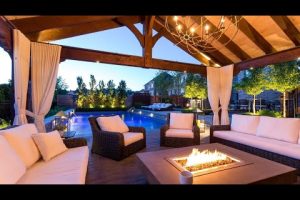
Pergolas remain one of the most popular covered outdoor living space ideas because they offer an open, airy feel while still providing meaningful shade. Modern versions often include retractable canopies, louvered roofs, or fabric draping that lets you control how much sunlight and ventilation you want. A wooden or vinyl pergola works beautifully over a dining patio or lounge area, and you can train climbing plants like wisteria or jasmine along the beams for added beauty and natural cooling.
For homeowners seeking a middle ground between fully open and fully enclosed, a pergola with a retractable roof is the sweet spot. You get an unobstructed view on sunny days and full rain protection when the weather turns.
Covered Patios and Deck Extensions
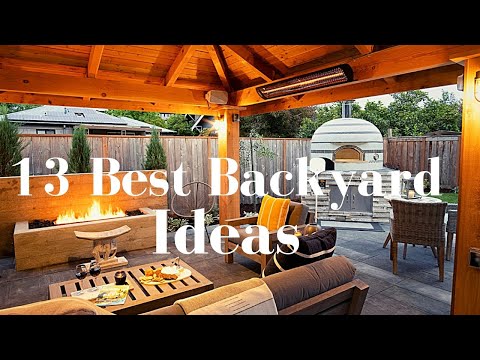
Extending your existing patio or deck with a permanent roof structure is one of the most practical covered outdoor living space ideas. By attaching the cover directly to your home, you create a seamless flow between indoor and outdoor areas. Common roofing materials include asphalt shingles, metal panels, and polycarbonate sheets. A covered patio instantly becomes a four-season space suitable for year-round outdoor dining and gatherings.
To maximize the usability of a covered patio, consider adding ceiling fans, outdoor-rated electrical outlets for string lights or speakers, and a built-in banquette or seating area. These details transform a simple roof over a slab into a genuinely livable outdoor room.
Sunrooms and Three-Season Rooms
If you want the maximum amount of natural light while staying fully protected, a sunroom or three-season room is one of the most elegant covered outdoor living space ideas. These structures feature floor-to-ceiling glass panels supported by a framed roof, giving you an indoor-outdoor hybrid that feels expansive and bright. Sunrooms work exceptionally well as breakfast nooks, home offices, or greenhouse-style plant rooms.
The primary difference between a true sunroom and a three-season room is insulation and climate control. A three-season room works best in moderate climates where it does not need to withstand harsh winters, while a sunroom can be equipped with heating and cooling for year-round use.
Outdoor Pavilions and Freestanding Gazebos
For properties where attaching a structure to the home is not practical or desirable, a freestanding pavilion or gazebo offers a stunning standalone covered outdoor living space idea. Pavilion designs range from simple flat-roof frameworks to ornate octagonal structures with decorative railings and built-in benches. A gazebo with a solid roof creates a defined focal point in your yard and can serve as an outdoor dining area, a yoga space, or a cozy reading nook surrounded by garden beds.
Pavilions and gazebos also work well in larger landscapes where you want to define separate outdoor zones. Place one near a pool area, another near a fire pit, and you have created distinct living spaces without building walls.
Material Comparison for Covered Outdoor Structures
Choosing the right material is critical to the longevity, maintenance level, and overall appearance of your covered outdoor living space. Below is a comparison of the most common roofing and framing options.
| Material | Durability | Maintenance | Cost Range | Best For |
| Wood (cedar, pressure-treated pine) | 15-25 years | Moderate — staining every 2-3 years | Medium | Pergolas, traditional gazebos |
| Vinyl / PVC | 20-30 years | Low — minimal upkeep | Low to Medium | Pergolas, budget patios |
| Aluminum | 30+ years | Very low — rust-resistant | Medium to High | Retractable roof systems |
| Metal (steel, copper, zinc) | 40+ years | Low | High | Modern pavilions, premium builds |
| Polycarbonate panels | 10-20 years | Low | Low to Medium | Budget-friendly covered patios |
| Fabric / tensile canopies | 5-10 years | Moderate — fabric replacement | Low | Temporary or seasonal setups |
When evaluating materials for your covered outdoor living space idea, consider your local climate. Coastal homes benefit from aluminum or stainless steel due to salt air resistance, while homeowners in dry, sunny regions might prefer wood or polycarbonate for their natural insulation properties.
Design Tips for Maximizing Your Covered Outdoor Area
Creating a truly functional covered outdoor living space goes beyond just installing a roof. The best designs integrate multiple elements that make the area feel intentional and comfortable. Here are expert recommendations to elevate your project.
- Define the purpose early. Will the space serve primarily for dining, lounging, entertaining, or a combination? Your answer shapes the layout, furniture, and lighting choices.
- Plan for ventilation. Even with a solid roof, trapped heat can make a covered space uncomfortable. Include gable vents, side openings, or ceiling fans to promote airflow.
- Layer your lighting. Combine overhead string lights, task lighting for dining areas, and accent lighting for plants or architectural features to create ambiance after dark.
- Choose weather-resistant furnishings. Opt for all-weather wicker, powder-coated metal, or marine-grade teak that can handle exposure to sun and rain.
- Add vertical greenery. Climbing plants, hanging planters, and vertical gardens soften hard surfaces and make the space feel integrated with nature.
- Incorporate privacy elements. Outdoor curtains, bamboo screens, or pergola side panels help create a sense of enclosure without blocking light and air.
Beginner vs. Intermediate vs. Advanced Approaches
For beginners, a simple fabric canopy or a basic wooden pergola kit offers an affordable entry point into covered outdoor living. Intermediate homeowners might tackle a DIY post-and-beam patio cover or a fixed polycarbonate roof attached to an existing deck. Advanced projects include custom-engineered retractable roof systems, fully enclosed three-season rooms with HVAC integration, and architect-designed pavilions using premium materials like copper or composite decking.
No matter your experience level, consulting a structural engineer or licensed contractor is essential when attaching a roof to an existing home or building a freestanding structure that must meet local building codes and wind load requirements.
Budget Considerations by Project Complexity
Understanding the cost range for different covered outdoor living space ideas helps you plan effectively and avoid surprises. A simple fabric retractable awning over a small patio might cost $1,500 to $4,000 installed. A basic wooden pergola typically ranges from $3,000 to $8,000 depending on size and finish. A more substantial covered patio with a metal roof can run $8,000 to $20,000, while a fully enclosed sunroom often falls between $20,000 and $60,000 or more, depending on glass quality, HVAC, and finishing details.
Remember to factor in permitting costs, foundation work, electrical rough-ins for lighting and outlets, and any landscaping needed to integrate the structure with your existing yard. These soft costs can add 15 to 25 percent to your total project budget.
Frequently Asked Questions
What is the cheapest way to create a covered outdoor living space?
The most budget-friendly approach is installing a retractable fabric awning or a simple shade sail supported by posts. These options typically cost between $500 and $3,000 and can be installed without a permit in many municipalities. They provide reliable sun and light rain protection while keeping your expenses minimal.
Do I need a building permit for a covered patio or pergola?

Permit requirements vary by municipality, but most local building departments require permits for any permanent roof structure, including pergolas and patio covers. Attached structures almost always need a permit because they affect the structural integrity of your home. Always check with your local building authority before starting construction.
Can a covered outdoor living space be used year-round?
Yes, if the structure is designed with proper insulation, ventilation, and climate control. Enclosed three-season rooms with operable windows and heating systems can be comfortable even in cold weather. Open pergolas and retractable roof designs work best in mild to warm climates but can still be enjoyed in cooler months with outdoor heaters and windbreaks.
What roofing material lasts the longest for outdoor covers?
Metal roofing materials, particularly galvanized steel and copper, offer the longest lifespan for covered outdoor structures, often lasting 40 to 70 years with minimal maintenance. Copper develops a natural patina over time and is highly resistant to corrosion, making it a premium choice for high-end outdoor living spaces.
How do I make my covered patio feel like an indoor room?
To create an indoor-outdoor feel, focus on three key elements: a solid, weatherproof roof; a comfortable floor surface such as composite decking or outdoor tile; and interior-style amenities like ceiling fans, electrical outlets, and plush outdoor rugs and cushions. Adding a fireplace or a fire table also signals a shift from a simple covered area to a true living space.
Which covered outdoor living space idea adds the most property value?
Sunrooms and fully enclosed three-season rooms tend to offer the highest return on investment among covered outdoor living space ideas. According to most remodeling cost-vs-value reports, sunroom additions recover a significant percentage of their cost at resale because they add measurable square footage and appeal to a broad range of homebuyers. Pergolas and covered patios also deliver strong value but are typically lower in overall ROI compared to enclosed structures.
Final Thoughts on Covered Outdoor Living Space Ideas
The right covered outdoor living space idea can transform an ordinary backyard into one of the most-used areas of your entire home. Whether you choose a simple pergola, a sleek retractable roof system, or a fully enclosed sunroom, the key is to design with intention, select durable materials, and create an environment that invites you to spend more time outdoors. Start by assessing your needs, your budget, and your local climate, then work with a professional to bring your vision to life. The investment pays dividends in comfort, enjoyment, and long-term property value for years to come.