


When you start planning a bathroom remodel, one of the very first questions that comes to mind is what’s the average cost to remodel a bathroom? The truth is, bathroom renovation costs can swing dramatically depending on the scope of the project, the quality of materials you choose, and whether you’re tackling a cosmetic refresh or a full gut renovation. Whether you’re working with a compact half-bath, a standard primary bathroom, or a luxurious master suite, understanding the realistic price breakdown helps you set expectations, avoid budget surprises, and make smarter decisions every step of the way. In this comprehensive guide, we’ll break down bathroom remodeling costs in detail, explore the factors that influence pricing, and give you actionable tips to stretch your renovation dollars further.
What Determines the Average Cost to Remodel a Bathroom
There is no single bathroom remodel cost that fits every project. The average bathroom renovation cost in the United States typically falls between $10,000 and $30,000, but some projects land well below or far above that range. Several core variables shape where your project lands on that spectrum.
Size of the Bathroom
Square footage is one of the most significant drivers of total expense. Smaller bathrooms, such as guest powder rooms averaging 25 to 40 square feet, generally cost less because they require fewer materials and less labor. Standard bathrooms between 40 and 100 square feet fall into a moderate pricing tier. Large master bathrooms exceeding 100 square feet naturally demand more flooring, tiling, fixtures, and labor hours, which pushes costs higher.
Quality of Materials and Fixtures
The materials you select have an enormous impact on the final bill. Opting for ceramic or porcelain tile instead of natural stone, choosing standard-model faucets over designer brands, and selecting laminate or engineered wood vanity tops instead of solid marble all create meaningful savings. On the other hand, premium brands like Kohler, Delta, and Hansgrohe command higher prices, and luxury materials like marble, brass fixtures, and heated flooring significantly elevate the overall investment.
Scope of Work
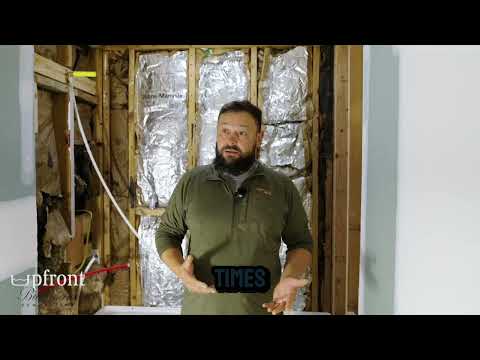
A simple cosmetic update — repainting walls, replacing hardware, and swapping out a vanity — costs considerably less than a project that involves relocating plumbing, moving electrical wiring, or knocking down walls to expand the space. The distinction between a bathroom refresh and a full bathroom renovation is critical when estimating costs.
Average Bathroom Remodel Cost Breakdown by Project Size
Understanding how bathroom renovation costs break down by project tier gives you a practical framework for planning. Below is a detailed comparison table that outlines average spending ranges for small, medium, and large bathroom remodels.
| Project Type | Square Footage | Average Cost Range | Cost Per Square Foot |
| Small Bathroom Refresh (cosmetic) | 25–40 sq ft | $3,000 – $8,000 | $75 – $200 |
| Mid-Range Bathroom Remodel | 40–100 sq ft | $8,000 – $20,000 | $150 – $250 |
| Large Master Bathroom Renovation | 100–200 sq ft | $20,000 – $45,000+ | $200 – $350 |
| Luxury / High-End Bathroom Overhaul | 100+ sq ft | $35,000 – $75,000+ | $350 – $500+ |
These figures reflect national averages in 2024 and 2025 and include materials, labor, and standard fixture costs. Keep in mind that regional labor rates, permitting fees, and local building codes can shift these numbers up or down significantly depending on your location.
Cost Factors That Push Bathroom Renovation Prices Higher
Beyond the basic scope and size, several hidden and visible cost factors can dramatically increase your total renovation budget. Being aware of these early on helps you plan accordingly and avoid unpleasant surprises mid-project.
- Plumbing Relocation: Moving drain lines, supply lines, or shifting the position of sinks, toilets, and showers adds substantial labor and material costs. Repiping a bathroom can add anywhere from $2,000 to $8,000 or more depending on complexity.
- Waterproofing and Subfloor Repair: Proper waterproofing is non-negotiable in wet areas. If subfloor damage is discovered during demolition — a common occurrence in older homes — repair costs can quickly accumulate.
- Electrical Upgrades: Adding GFCI outlets, upgrading wiring, installing new lighting fixtures, or adding ventilation fans all contribute to the electrical budget.
- Permit and Inspection Fees: Many jurisdictions require permits for structural, plumbing, and electrical work. These fees vary widely but typically range from $100 to $1,000 depending on your municipality.
- Unexpected Mold or Asbestos: Older bathrooms may contain mold behind walls or legacy materials that require professional remediation, adding unplanned costs of $1,500 to $5,000 or more.
- Tile and Flooring Complexity: Intricate tile patterns, mosaics, and herringbone layouts require more skilled labor and more material waste than basic straight-lay installations.
DIY vs. Professional Bathroom Remodeling Costs
Some homeowners consider tackling a bathroom remodel themselves to save on labor costs. While a cosmetic update — painting, installing a new vanity, or replacing a faucet — can be a manageable DIY project for experienced homeowners, most full bathroom remodels benefit significantly from professional expertise.
Professional labor typically accounts for 40% to 55% of the total bathroom renovation cost. Hiring licensed plumbers, electricians, and experienced contractors ensures code compliance, proper installation, and warranty coverage on workmanship. Cutting corners by hiring unlicensed workers or attempting complex plumbing and electrical tasks yourself can lead to costly mistakes, code violations, and safety hazards that far exceed the initial savings.
If you do pursue a hybrid approach — handling cosmetic work yourself and hiring professionals for plumbing and electrical — make sure the tradesperson and your DIY work integrate cleanly. Poorly coordinated projects often result in rework, delays, and added expenses.
How to Budget for a Bathroom Remodel
Effective budgeting starts with a clear vision of what you want and a realistic assessment of what you can afford. Here are some expert recommendations for planning your bathroom renovation budget:
- Get at least three detailed quotes: Request line-item estimates from licensed contractors so you can compare costs transparently and identify where money is being allocated.
- Set aside a contingency fund: Experienced remodelers recommend budgeting an additional 10% to 20% above your estimated total for unexpected discoveries and changes.
- Prioritize your must-haves versus nice-to-haves: Create a tiered list of features. Fix structural, plumbing, and waterproofing issues first, then allocate remaining funds to aesthetic upgrades.
- Research material costs independently: Visiting home improvement stores and browsing online retailers helps you understand fixture and material pricing so you aren’t overcharged by a contractor’s markups.
- Plan for timeline flexibility: Delays in material delivery, permit approvals, or unexpected repairs can extend your project timeline, and extended timelines mean extended costs.
Tips to Reduce Bathroom Remodel Costs Without Sacrificing Quality
Saving money on a bathroom renovation does not mean settling for a cheap-looking result. Smart strategic decisions can significantly reduce costs while maintaining a high-end finish.
- Keep the layout intact: Avoid moving plumbing and electrical locations whenever possible. Layout changes are among the most expensive aspects of any bathroom remodel.
- Reface or repaint instead of replace: If your current vanity, tub, or shower surround is structurally sound, refinishing or reglazing can deliver a refreshed look at a fraction of replacement costs.
- Shop sales and closeout deals: Timing your renovation to coincide with end-of-season sales at home improvement retailers can save hundreds or even thousands on fixtures and tile.
- Choose standard-sized materials: Custom-sized tiles, specialty glass, and bespoke vanity designs carry premium pricing. Standard sizes are more affordable and easier to source.
- Focus on high-impact, low-cost upgrades: New cabinet hardware, a fresh coat of paint, upgraded showerheads, and modern light fixtures transform the look of a bathroom for a relatively small investment.
Conclusion

The average cost to remodel a bathroom is shaped by a combination of project size, material quality, scope of work, and regional labor rates. Whether you are planning a budget-friendly cosmetic refresh or a high-end master bathroom overhaul, thorough research, detailed planning, and realistic budgeting are your best tools for a successful renovation. By understanding where your money goes — from fixtures and tile to plumbing and labor — you can make confident decisions, avoid costly surprises, and achieve a beautifully transformed bathroom that adds lasting value to your home.
Remember, the cheapest option is rarely the best option when it comes to bathroom remodeling. Investing in quality materials and skilled labor pays dividends in durability, aesthetics, and long-term satisfaction. Plan carefully, stay flexible, and prioritize the features that matter most to your daily routine.
Frequently Asked Questions
What is the average cost to remodel a small bathroom?
A small bathroom remodel, typically covering 25 to 40 square feet with a cosmetic or mid-range upgrade, generally costs between $3,000 and $8,000. This range includes basic fixture replacements, paint, new hardware, and standard flooring, with higher costs if plumbing relocation or premium materials are involved.
How much does it cost to remodel a bathroom per square foot?
Bathroom remodeling costs per square foot typically range from $150 to $350 depending on the quality tier. Budget-friendly remodels fall on the lower end around $100 to $150 per square foot, mid-range projects average $150 to $250, and luxury overhauls can exceed $350 per square foot when premium fixtures and custom designs are included.
Is it cheaper to remodel a bathroom yourself?
DIY bathroom remodeling can reduce labor costs significantly, but it is only cost-effective for cosmetic-level projects such as painting, installing prefabricated vanities, or replacing fixtures. Full remodels involving plumbing, electrical, waterproofing, and tile work require licensed professionals to ensure safety, code compliance, and long-term durability.
How long does a typical bathroom remodel take?
A standard mid-range bathroom remodel typically takes two to four weeks to complete, depending on the scope of work, material availability, and any unexpected issues discovered during demolition. Cosmetic refreshes may be finished in under a week, while major renovations involving layout changes and custom installations can stretch to six weeks or more.
What is the most expensive part of a bathroom remodel?
Plumbing relocation and waterproofing work are generally the most expensive components of a bathroom remodel. Moving drains, supply lines, and venting systems requires skilled plumbers and can account for a significant portion of the total budget. Tile installation in wet areas and custom shower systems also represent major cost drivers in high-end bathroom renovations.