


Transforming your outdoor space into a stunning retreat starts with a thoughtful backyard landscape design. Whether you are working with a small urban plot or a sprawling suburban yard, the way you plan and execute your outdoor layout has a profound impact on curb appeal, property value, and everyday quality of life. A well-designed backyard is not just about planting a few flowers or laying down some pavers. It involves understanding your environment, choosing the right plants, incorporating hardscape elements, and creating zones that serve different purposes. This comprehensive guide walks you through everything you need to know to create a backyard that looks beautiful, functions well, and brings you joy for years to come.
Why Backyard Landscape Design Deserves Your Attention

Many homeowners underestimate the power of a strategically planned outdoor space. Your backyard is an extension of your living area. It is where you entertain guests, relax after a long day, and connect with nature. A deliberate landscaping plan elevates every one of those experiences. Studies consistently show that professionally designed outdoor spaces can increase a home’s resale value by up to 15 percent. Beyond numbers, a well-thought-out garden reduces stress, improves air quality, and creates a habitat for pollinators and wildlife. The key is treating your backyard as a blank canvas rather than an afterthought.
Assessing Your Backyard Space Before You Begin
Before you sketch a single design idea, take time to evaluate what you are working with. Every backyard has unique characteristics that influence your design decisions.
Evaluating Soil, Sunlight, and Drainage
Start by observing how sunlight moves across your yard throughout the day. Note which areas receive full sun, partial shade, or deep shade. This information determines which plants will thrive and where you should place seating areas or dining spaces. Next, examine your soil. Perform a simple pH test using a home kit from your local garden center. Healthy soil with good drainage supports robust root systems and vibrant foliage. If your yard has compacted clay or sandy soil, consider amending it with organic compost before planting. Pay attention to low spots where water pools after rain. Poor drainage can damage foundations and kill plants. Addressing grading issues early saves significant headaches down the road.
Mapping Out Your Existing Features
Walk through your yard and make a list of everything that already exists. Mature trees, fences, utility lines, existing patios, and slope gradients all factor into your plan. Use graph paper or a free digital tool like Google SketchUp to create a basic bird’s-eye map. Mark north-facing direction, wind-exposed areas, and views you want to either preserve or block. This groundwork prevents costly mistakes and ensures your garden design aligns with the physical reality of your property.
Core Principles of Effective Backyard Landscape Design
Great outdoor spaces follow a few fundamental design principles that professionals rely on every day.
- Balance: Symmetrical balance creates a formal, orderly feel. Asymmetrical balance uses contrasting elements of equal visual weight for a more relaxed look.
- Focal Points: Every great backyard needs a centerpiece. This could be a sculptural tree, a water feature, a fire pit, or an eye-catching planter arrangement.
- Proportion and Scale: Elements should match the size of your yard. Oversized furniture in a small space feels cluttered. Delicate plantings in a large yard get lost.
- Repetition and Rhythm: Repeating plant colors, textures, or hardscape materials across different zones creates visual cohesion.
- Transition: Smooth transitions between areas, such as from a patio to a garden bed, prevent the space from feeling choppy or disconnected.
Popular Backyard Landscape Design Styles
Choosing a style gives your design direction and personality. Here is a closer look at three popular approaches.
Modern Minimalist
Modern backyard designs emphasize clean lines, geometric shapes, and a restrained color palette. Concrete planters, sleek composite decking, and ornamental grasses dominate this style. Plantings tend to be selective and architectural. This approach works beautifully for urban yards where every square foot matters.
Cottage Garden
Cottage-style landscapes burst with layered color and lush, informal plantings. Think climbing roses, lavender borders, herb spirals, and winding gravel paths. This style creates a sense of abundant, natural beauty and attracts butterflies and bees in abundance.
Zen-Inspired Retreat
Drawing from Japanese garden traditions, Zen-inspired backyards prioritize tranquility. Smooth river stones, bamboo water features, carefully raked gravel, and minimalist plantings like bonsai and moss create a meditative atmosphere. This style suits homeowners seeking a peaceful escape from daily life.
| Style | Best For | Key Materials | Maintenance Level |
| Modern Minimalist | Small to medium yards | Concrete, steel, gravel | Low |
| Cottage Garden | Medium to large yards | Natural stone, wood, soil | Medium to High |
| Zen Retreat | Any size yard | Bamboo, stone, water features | Medium |
Plants and Hardscaping Essentials
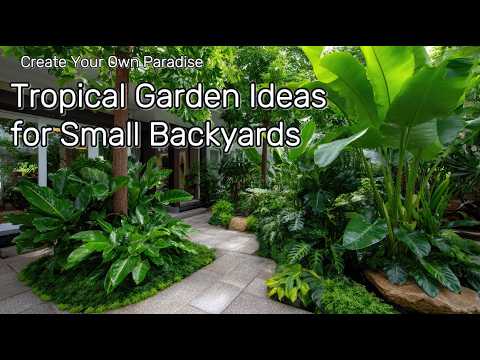
Your plant selection and hardscape choices form the backbone of any successful backyard landscape design. These two elements work together to create structure, color, texture, and function.
Choosing the Right Plants for Your Climate Zone
Selecting plants suited to your USDA hardiness zone is non-negotiable for long-term success. Native plants are an outstanding choice because they are adapted to local rainfall patterns, soil conditions, and pest pressures. They require less water and fewer chemicals than exotic species. When planning your planting scheme, layer your garden vertically. Use tall canopy trees, mid-height shrubs, ground cover, and seasonal perennials to create depth and visual interest. Incorporate evergreen specimens for year-round structure and rely on flowering plants for seasonal pops of color.
Hardscape Materials That Elevate Your Space
Hardscape refers to the non-living elements of your outdoor design. Patios, walkways, retaining walls, pergolas, and fire pits all fall into this category. Natural stone offers timeless elegance and durability. Pavers provide versatility with countless patterns and colors. Wood creates warmth and works beautifully for decking and pergola construction. When selecting materials, consider both aesthetics and long-term maintenance. Composite decking, for example, resists fading and rot, while natural wood requires regular sealing.
Budgeting and Planning Your Backyard Design
A realistic budget keeps your project focused and prevents overspending. Costs vary widely based on yard size, material choices, and whether you hire professionals or take a DIY approach.
Rough Cost Breakdown for Backyard Projects
| Element | Budget Range (USD) | Notes |
| Basic Patio Installation | $2,000 – $8,000 | Depends on size and material |
| Professional Design Consultation | $500 – $3,000 | Varies by region and scope |
| Plantings and Sod | $500 – $3,000 | Native plants reduce long-term costs |
| Outdoor Lighting | $300 – $2,500 | LED options save energy long-term |
| Water Feature | $1,000 – $10,000+ | Ponds cost more than fountains |
| Retaining Wall | $1,500 – $6,000 | Depends on height and material |
Phasing your project over two or three seasons is a smart strategy for managing costs. Start with high-impact elements like a patio or drainage improvements, then add plantings and decorative touches in subsequent years.
Professional Tips for a Stunning Backyard Transformation
Experienced landscapers offer insights that make the difference between an ordinary yard and an extraordinary one.
- Design for all four seasons. Choose plants with staggered bloom times, interesting bark textures, and colorful fall foliage so your backyard looks intentional year-round.
- Install outdoor lighting early. Strategic lighting extends usability into the evening and highlights key features like specimen trees and architectural plants.
- Create privacy naturally. Layered hedges and evergreen trees block noise and sightlines better than fences while adding greenery and wildlife habitat.
- Build in seating nooks. Small gathering spots tucked into garden corners invite lingering and make your space feel larger than it is.
- Prioritize irrigation. A drip irrigation system or soaker hoses save water and keep plants healthy, especially during hot summer months.
Common Backyard Landscape Design Mistakes to Avoid
Even enthusiastic homeowners stumble on a few common pitfalls. Avoiding these mistakes keeps your project on track.
- Skipping the planning phase. Jumping straight into planting without a layout leads to overcrowding, poor drainage, and wasted money.
- Underestimating plant growth. Plants need room to mature. Overcrowded beds become maintenance nightmares within two or three years.
- Ignoring maintenance commitment. Lush gardens require regular care. Choose a design that matches the time and energy you can realistically dedicate.
- Neglecting privacy and noise. A beautiful yard feels less inviting if neighboring streets or properties are visually and audibly intrusive.
- Copying a design blindly. What works for a magazine spread may fail in your specific microclimate, soil type, or light conditions.
Frequently Asked Questions About Backyard Landscape Design
What is the best backyard landscape design for a small space?
For small yards, focus on vertical gardening, multi-functional hardscape, and a limited but impactful plant palette. Container gardens, trellises, and raised beds maximize growing space while keeping the floor area open. A well-placed mirror or reflective surface can also create the illusion of depth. Choose a cohesive style like modern minimalist or cottage courtyard to prevent the space from feeling chaotic.
How much does a professional backyard landscape design cost?
Professional design fees typically range from $500 to $3,000 depending on the complexity of the project, your geographic location, and the designer’s experience level. Some firms charge a flat fee while others bill hourly. Keep in mind that a design consultation is a worthwhile investment. It provides you with a clear roadmap, prevents costly trial-and-error, and often identifies structural issues like drainage problems before construction begins.
Which plants are best for low-maintenance backyard landscaping?
Native perennials, ornamental grasses, and drought-tolerant species require the least ongoing care. Lavender, ornamental sedges, black-eyed Susans, and native sedums establish well with minimal irrigation once they are settled. Grouping plants with similar water and sunlight needs into irrigation zones further reduces maintenance effort.
How do I plan a backyard landscape design on a budget?
Start with free resources like online garden planners and your local cooperative extension service. Purchase plants as small plugs or plugs in bulk to reduce cost per plant. Swap divisions with neighbors, and prioritize hardscape elements that add the most value first. Composting and DIY projects like building raised beds from reclaimed lumber can significantly reduce overall expenses.
Can I design my backyard landscape myself, or should I hire a professional?
Homeowners with a solid sense of design and practical skills can certainly DIY their backyard landscape design. Start with a detailed site assessment, sketch multiple layout options, and research plants suited to your zone. However, hiring a professional makes sense when your project involves significant grading, complex drainage solutions, structural hardscape, or if you simply want expert guidance on plant selection and spatial planning. A hybrid approach, where you hire a designer for the master plan and execute installation yourself, offers a great balance of quality and cost savings.

Final Thoughts on Backyard Landscape Design
Creating a beautiful and functional backyard is one of the most rewarding investments a homeowner can make. A thoughtful landscape design transforms an ordinary patch of grass into a living, breathing space that reflects your personality and supports your lifestyle. Start with honest assessments of your space, embrace proven design principles, choose plants and materials wisely, and remember that the best backyards evolve over time. Patience, creativity, and a willingness to learn from each season will turn your outdoor dreams into a stunning reality that you and your family will enjoy for decades.